


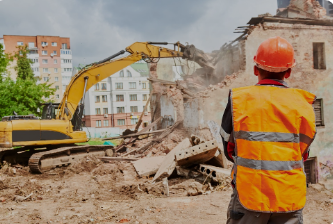
Over the past five years, Delhi has witnessed a significant number of demolitions, with government data revealing that various land-owning agencies carried out 30,853 demolitions from 2019 to 2023. Notably, 2023 alone accounted for more than half of these actions, with a striking increase in the number of structures razed. This data, presented to the Rajya Sabha on Monday, highlights the scale of enforcement activities in the national capital.
According to the figures, the annual demolition numbers fluctuated significantly before peaking this year. The year 2019 saw 4,804 demolitions, followed by 2,967 in 2020, 2,927 in 2021, and 4,017 in 2022. However, 2023 has already witnessed a remarkable surge, with 16,138 demolitions recorded, including the dismantling of 11,060 residential structures and 23 commercial units. The Delhi Development Authority (DDA) was responsible for a substantial portion of these actions, clearing 316.72 acres of encroached land during this period.
The government’s written response attributed these demolitions to multiple factors, including the removal of unauthorised occupancy and encroachments on government land. Additionally, rehabilitation and relocation efforts for slum residents were cited as key reasons for these activities. The data indicates that approximately 20,643 individuals have been affected by the demolitions, with around 2,462 slum dwellers provided with rehabilitation. The expenses incurred for these demolition operations amounted to approximately Rs 103.27 crore.
The dramatic increase in demolitions in 2023 coincides with intensified anti-encroachment and cleanliness drives in preparation for the G20 Summit held in Delhi in September. These efforts aimed to present a cleaner and more organised cityscape to international delegates and visitors. While such large-scale demolition drives are often controversial, they are part of broader urban planning and governance strategies to address unauthorised developments and improve public spaces. This recent trend underscores the city’s ongoing challenges in managing unauthorised constructions and encroachments. As Delhi continues to grapple with these issues, the impact on affected residents and the urban landscape remains a critical concern for policymakers and citizens alike. The scale and frequency of these demolitions reflect the complexities of balancing urban development with legal and social considerations.
