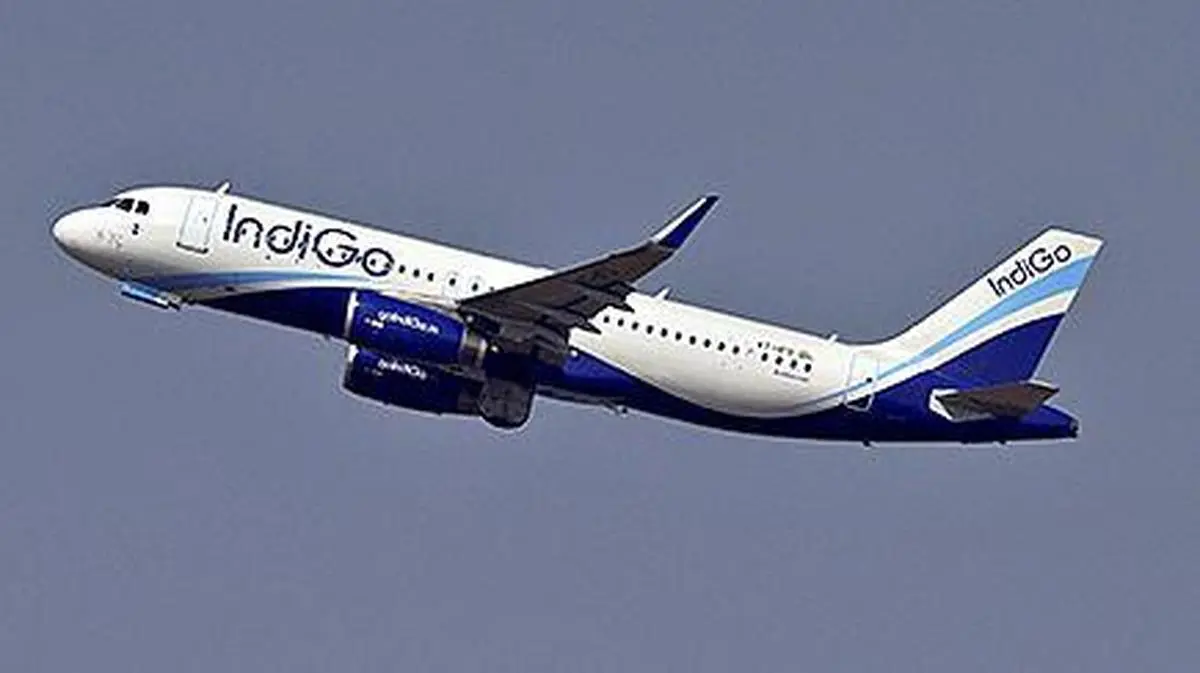
Delhi’s aviation network faced another day of severe turbulence on Friday as IndiGo’s cascading operational breakdown entered its fourth day, leaving thousands of passengers stranded across major airports. The disruption, triggered by a convergence of technical glitches and new crew-rest regulations, is now raising concerns about the resilience of India’s aviation infrastructure and its impact on urban mobility.
Officials at the national capital’s airport reported more than 200 cancellations through the day, making Delhi the worst-affected city in the carrier’s network. Bengaluru and Hyderabad witnessed similar disruption, with over 150 flights scrubbed between them. Industry observers say the scale of the impact underscores the fragile interdependence between airline scheduling, regulatory compliance, and airport capacity in fast-growing Indian cities.The crisis began earlier in the week when an advisory related to the Airbus A320 fleet forced delays that pushed several flights past midnight—an operational spillover that collided head-on with tightened Flight Duty Time Limitation (FDTL) norms. The revised rules, aimed at preventing fatigue, mandate longer weekly rest periods for pilots and limit the number of night operations. According to a senior aviation official, “airlines operating high-density short-haul networks are experiencing the sharpest repercussions, as even minor delays disrupt crew availability for an entire day.”
IndiGo, which runs India’s most extensive domestic network, had already been battling crew shortages before the software-related delays. The introduction of the winter schedule, with its dense roster of early morning and late-night services, further strained the system. “The carrier appears to have underestimated the manpower needed to comply with the new rest norms,” an industry analyst said, noting that the airline has acknowledged planning gaps.The fallout has been felt most acutely by passengers navigating crowded terminals, long queues, and inconsistent communication. DGCA inspections reportedly flagged inadequate passenger-handling arrangements at several airports as cancellation numbers surged. For cities like Delhi where aviation is central to business continuity, migration patterns, and emergency mobility the ripple effects extend well beyond the terminals.
Urban mobility specialists argue that cities dependent on air travel must integrate resilience planning into their infrastructure strategies. “Airports must be prepared for climate disruptions, regulatory shifts, and operational failures,” said an urban transport researcher. “Cities cannot afford mobility breakdowns that disproportionately affect workers, travellers, and vulnerable communities.”
IndiGo has warned that stabilising operations will take several days, with further schedule reductions expected as part of a network reset. Until then, passengers have been advised to monitor flight status closely. For urban planners and policymakers, the episode serves as another reminder that India’s mobility ecosystem from metros to airlines must be designed with redundancy, safety, and equitable access at its core to withstand shocks in a rapidly urbanising nation.
Delhi Sees 225 IndiGo Cancellations As Nationwide Flight Chaos Deepens Today