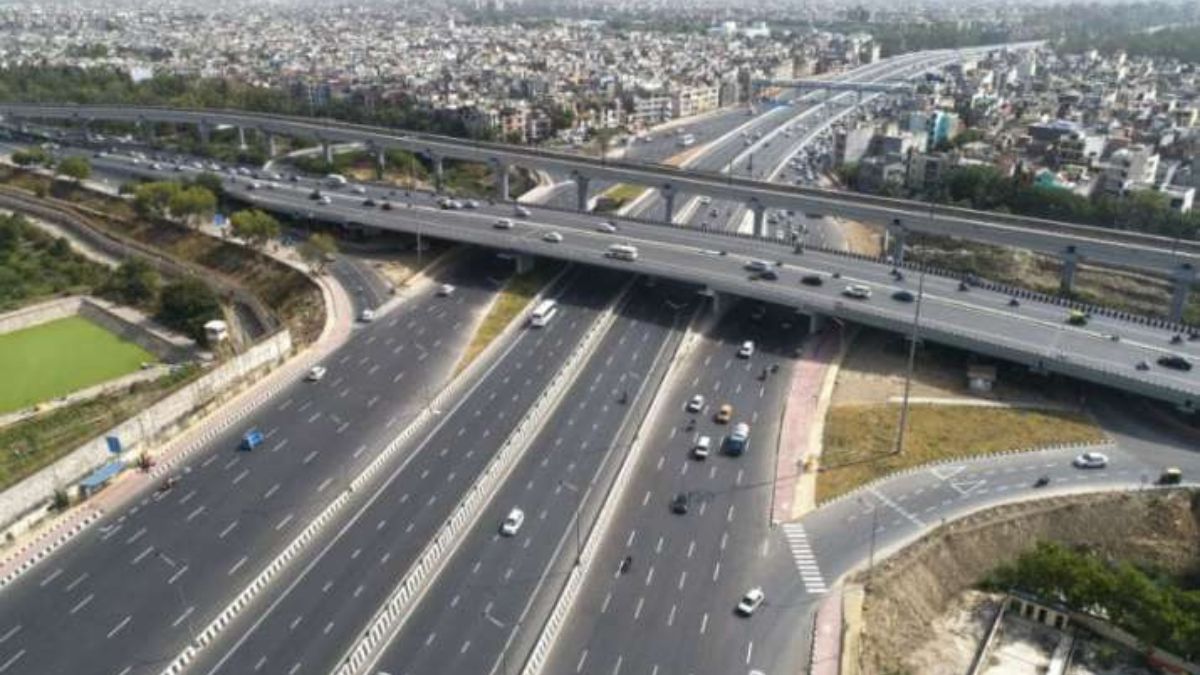
Delhi secures Rs 800 crore for revamp of 152 roads
Delhi is set for one of its most significant infrastructure pushes in recent years, as the Centre has sanctioned over Rs 800 crore for the upgradation of arterial roads and flyovers across the capital. Officials confirmed that the allocation, channelled through the Central Road and Infrastructure Fund (CRIF), will support 152 critical stretches spanning more than 330 kilometres.
The funding has been described by urban experts as a turning point for Delhi’s road ecosystem, given that several of the identified stretches form lifelines for daily commuters. Among the corridors approved for modernisation are high-density routes including sections of the Ring Road, the AIIMS–Ashram corridor, Mathura Road, ISBT Kashmiri Gate to Wazirabad, Vivek Vihar–GT Road, Dwarka Approach Road, Rani Jhansi Road and Delhi University’s Chhatra Marg.
Planned works extend beyond road surfacing, with proposals for strengthening ageing flyovers at Rani Jhansi and Wazirabad also receiving clearance. Experts suggest these interventions could not only enhance structural stability but also reduce travel time and ease congestion in traffic-choked areas of the city.Transport specialists highlight that the revamp aligns with a larger vision of creating sustainable and equitable cities. With Delhi battling vehicular pollution and safety concerns, road modernisation offers an opportunity to integrate greener designs, adopt eco-friendly materials, and ensure gender-safe infrastructure such as better lighting and accessible pavements.
The infusion of funds comes at a time when Delhi’s transport network faces mounting stress from population growth and expanding vehicle density. Officials believe the capital’s economic efficiency has often been hindered by poor connectivity between residential and industrial hubs, and an upgraded road system will improve productivity and mobility alike.Urban planners emphasise that while highways and flyovers are crucial for mobility, the larger success of the investment will depend on how effectively the project embraces low-carbon practices. Measures such as recycling construction debris, increasing green cover along road stretches, and incorporating inclusive mobility features like cycle tracks and pedestrian zones could make the initiative future-proof.
There is also a social dimension to this development. Reliable roads can reduce accident risks, improve access to health and education centres, and support equitable movement across different parts of the city. In areas around universities, for instance, safer and smoother roads can directly enhance accessibility for students, staff, and local communities.The project, however, will be closely monitored for execution efficiency. Past initiatives have occasionally suffered delays and cost overruns, raising concerns about accountability. Experts argue that strict oversight and transparent progress reporting will be essential to ensure that the Rs 800 crore investment delivers tangible benefits.
For now, Delhi appears poised for a crucial step in reshaping its transport backbone an effort that, if steered responsibly, could redefine urban mobility while moving the city closer to its sustainability goals.