Delhi Schools Advance Electric School Bus PolicyDelhi Schools Advance Electric School Bus Policy
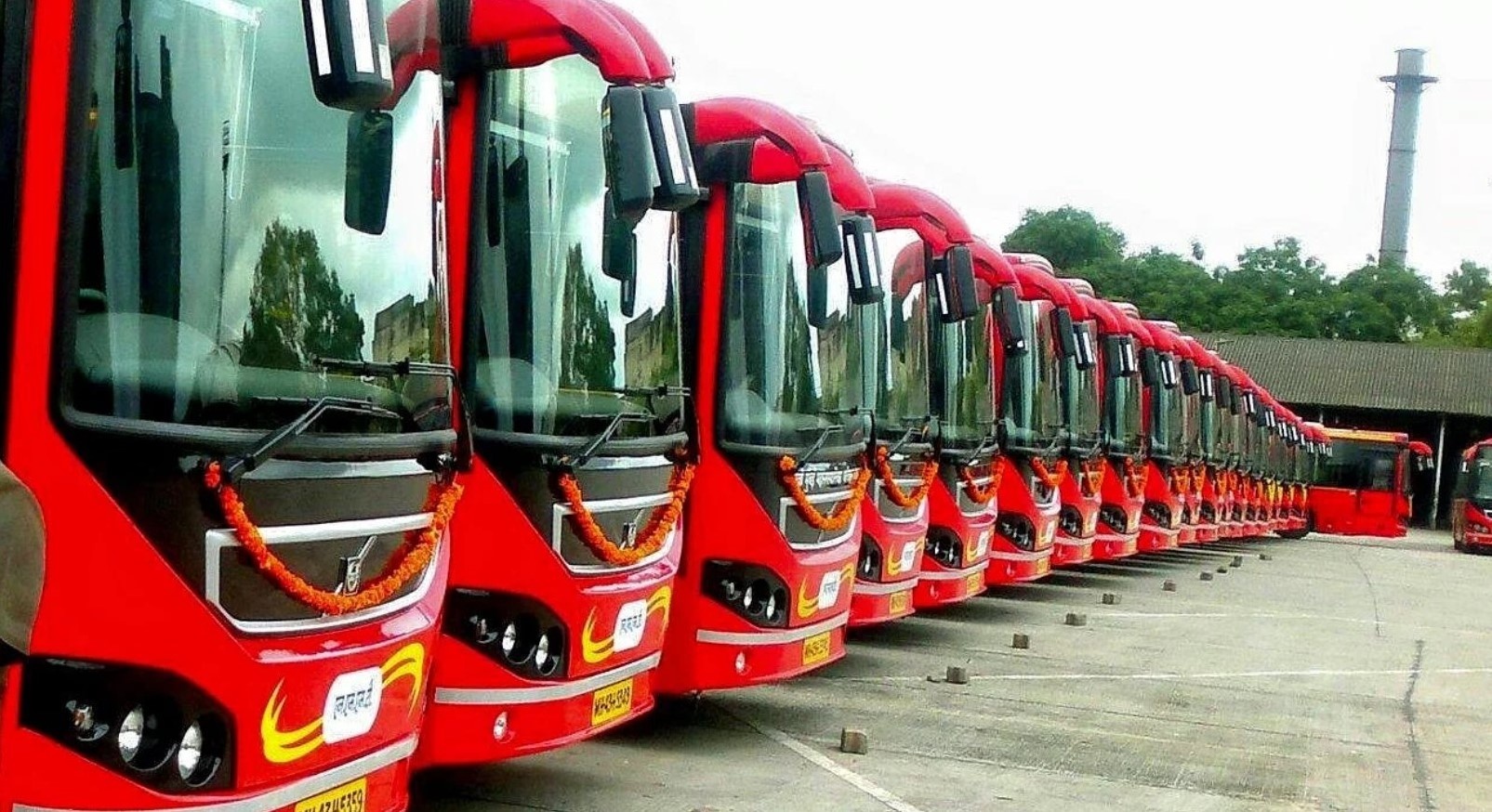
Schools across Delhi may soon be required to gradually replace conventional buses with electric vehicles under a proposed regulatory framework aimed at accelerating the transition to cleaner urban mobility. The measure, included in the capital’s upcoming electric mobility policy, proposes that educational institutions begin adopting electric school bus fleets over the next several years, marking a significant shift in how daily student transport is managed in one of the world’s most pollution-affected cities. Under the draft framework, institutions would need to ensure that at least 10 per cent of their buses operate on electric power within two years of the policy’s notification. The requirement is designed to increase gradually, with electrification expected to reach 20 per cent by the end of the third year and 30 per cent by the end of the decade.
Officials involved in the policy formulation say the mandate will apply to the entire electric school bus fleets ecosystem, including vehicles owned directly by schools as well as those hired through contractors or transport providers. This approach is intended to prevent operational loopholes and ensure that all school transport systems contribute to reducing vehicular emissions. Education authorities are expected to oversee implementation by incorporating the requirements into school recognition and affiliation processes. Monitoring mechanisms will likely be developed in coordination with transport regulators to track compliance and guide institutions through the transition. Urban mobility experts note that school buses represent a significant but often overlooked contributor to city traffic emissions. Thousands of vehicles operate daily across the capital, transporting students through congested corridors during peak hours. Electrification of this segment, analysts say, could produce meaningful environmental benefits while also exposing younger generations to sustainable transport practices. Alongside vehicle electrification, the policy framework proposes a series of educational initiatives aimed at building environmental awareness among students and school communities.
Schools are expected to conduct regular campaigns on air pollution, climate impacts and sustainable mobility choices, while encouraging student-led activities related to energy conservation and responsible travel behaviour. Urban planners suggest that integrating environmental education with operational transport reforms could help cultivate long-term behavioural change. “When schools adopt cleaner transport and simultaneously engage students in climate awareness, the policy impact goes beyond emissions reduction and enters the realm of cultural transformation,” said an urban sustainability researcher familiar with the programme. The proposed shift also reflects broader national and municipal efforts to decarbonise urban transport systems while improving public health outcomes. Delhi’s electric mobility programme, initially introduced earlier in the decade, has already contributed to a significant rise in electric two-wheelers, rickshaws and commercial vehicles across the city.
If the latest proposals are finalised after the consultation period, the phased adoption of electric school bus fleets could become one of the most visible steps toward cleaner institutional transport in the capital. Experts say the success of the initiative will depend not only on regulatory enforcement but also on the availability of charging infrastructure, vehicle supply and financing support for schools and transport operators.