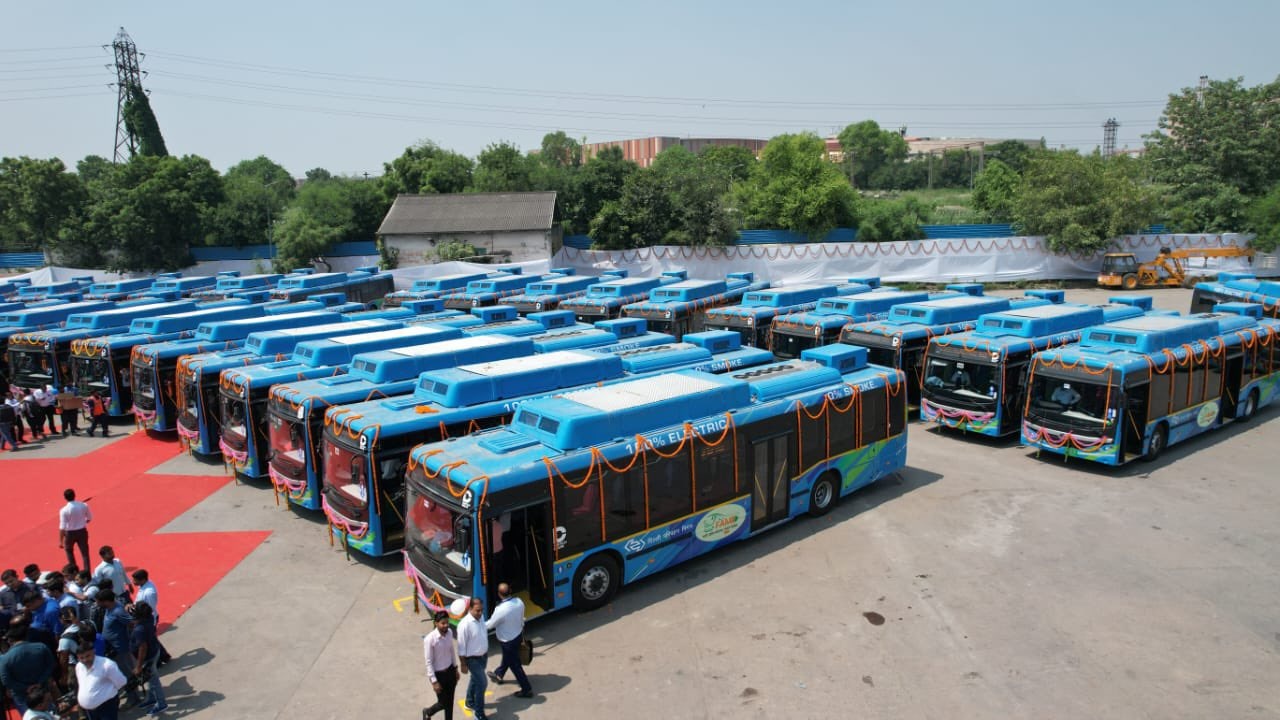
Delhi School Bus Electrification Plan Targets 2030 Shift
Delhi is preparing a major shift in how students travel to school, with policymakers proposing that a significant share of the city’s school transportation fleet transition to electric vehicles over the next five years. The proposal forms part of a broader electric mobility framework expected to guide the capital’s transport transition and reduce emissions from daily commuting. According to officials familiar with the draft policy, the proposed Delhi school bus electrification roadmap would require that nearly one-third of the entire school bus fleet operating in the city move to electric power by March 2030. The mandate would apply to all school buses operating in Delhi, including vehicles owned directly by schools as well as those hired or leased through transport contractors.
Urban mobility planners say the move reflects growing recognition that school transport represents a significant share of daily vehicular movement during peak hours. Electrifying these fleets could therefore reduce emissions exposure for children while easing pollution levels in residential neighbourhoods where schools are concentrated. The proposed Delhi school bus electrification timeline is expected to be implemented in stages. Initial targets suggest that within two years of the policy coming into force, at least 10 per cent of school buses should operate on electric power. The share is expected to rise to roughly 20 per cent within three years before reaching the 30 per cent benchmark by the end of the decade. Officials from the education department are expected to oversee implementation and compliance across institutions. Transport analysts say coordination between schools, fleet operators and energy providers will be essential, as electrification requires charging infrastructure, maintenance capabilities and operational planning.
The draft policy also outlines broader incentives aimed at accelerating electric vehicle adoption across the city. Authorities are considering full exemptions from road tax and registration charges for electric vehicles registered in Delhi until 2030. However, the benefits may be limited to passenger vehicles priced below a certain threshold, reflecting an effort to focus incentives on mass adoption rather than luxury purchases. Alongside electrification incentives, the policy also signals structural changes in vehicle registrations. Officials are examining the possibility of restricting new registrations of certain categories of fossil-fuel-powered vehicles in the coming years, particularly among smaller urban transport segments such as two- and three-wheelers. Environmental regulators are also preparing for the long-term impact of a large electric vehicle ecosystem. The city’s pollution control authority is expected to introduce systems for collecting and managing used batteries generated by electric vehicles. Under a proposed framework, battery collection centres could be established through partnerships with recycling companies to ensure safe disposal and material recovery. Urban policy experts say such measures are crucial for ensuring that the transition to electric mobility remains environmentally sustainable throughout the entire lifecycle of the vehicles.
If implemented effectively, the Delhi school bus electrification programme could reshape how students commute across the capital while supporting the city’s wider push toward cleaner and more resilient urban transport systems.
Delhi School Bus Electrification Plan Targets 2030 Shift