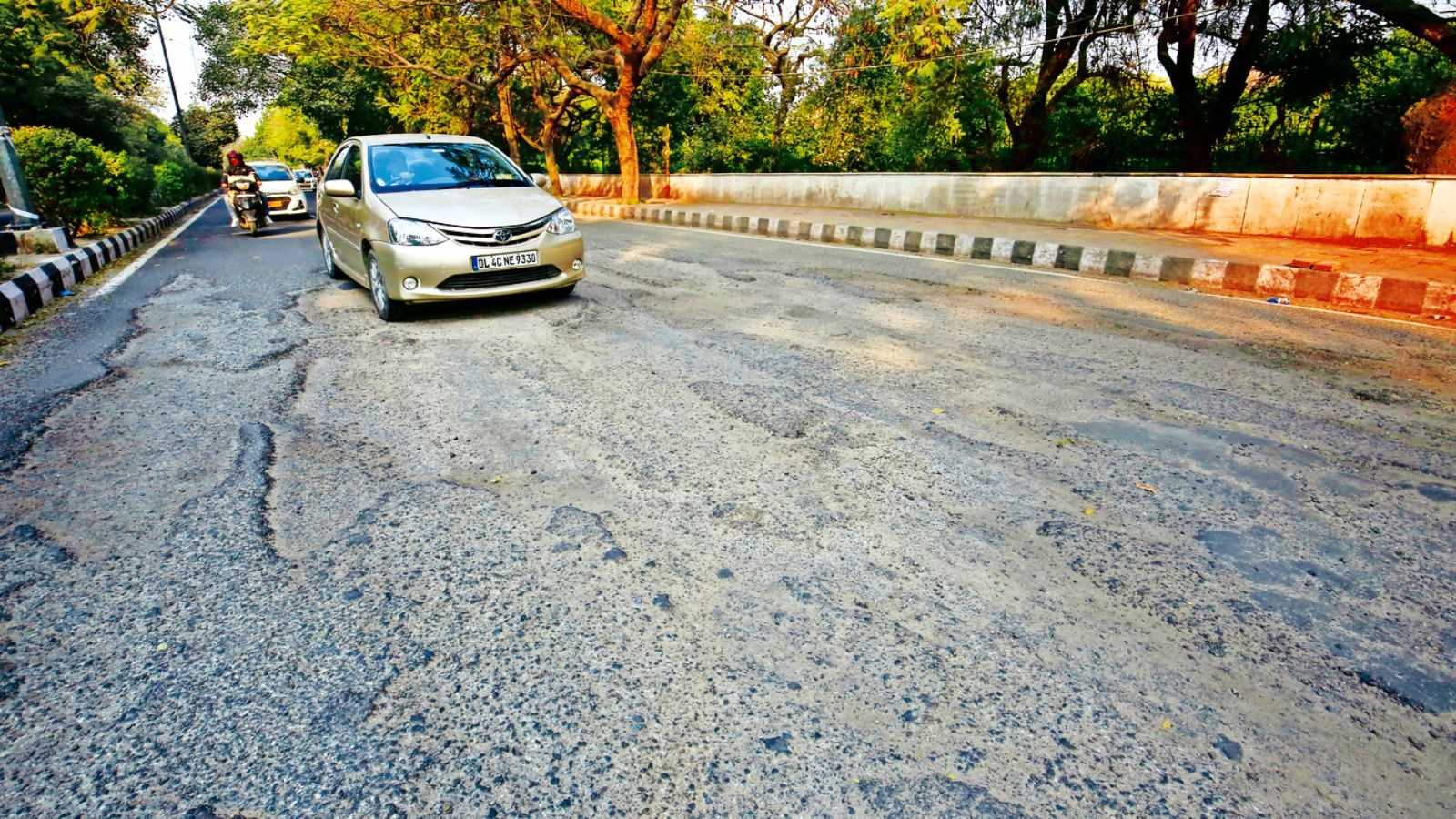
Delhi’s public works authority is tightening oversight of ongoing infrastructure projects through an expanded regime of Delhi road quality checks, introducing unannounced site inspections to improve construction standards and durability. The move signals a shift towards real-time monitoring in a city where road maintenance has long been challenged by recurring defects and high traffic stress. Under the revised approach, engineering teams are conducting surprise visits to active construction sites, examining technical parameters during execution rather than waiting for final-stage audits. This includes assessing the thickness of pavement layers, evaluating the composition and quality of bituminous material, and verifying compliance with approved engineering specifications.
Urban infrastructure experts say the emphasis on mid-construction verification could help address one of the most persistent issues in public works—defects that emerge shortly after project completion. By identifying inconsistencies early, authorities can enforce corrective action before structural weaknesses become embedded in the final build. The introduction of portable, on-site testing equipment is central to the new system. These devices enable engineers to assess material strength and composition directly at project locations, reducing reliance on off-site laboratory testing. Traditionally, samples are sent to accredited institutions, often leading to delays in approvals and slowing project timelines. Faster verification is expected to streamline workflows while strengthening accountability among contractors. Officials involved in the initiative indicate that the department is also working towards establishing an internal material testing framework. Such a facility would allow quicker validation of construction inputs and help standardise quality benchmarks across multiple projects. Industry observers note that in-house testing capabilities are increasingly seen as essential for large urban agencies managing extensive road networks.
The push for stricter Delhi road quality checks comes at a time when a significant portion of the capital’s roads is undergoing repair, resurfacing, and redevelopment. These efforts are linked not only to improving commuter experience but also to addressing environmental concerns such as dust pollution, which is often exacerbated by deteriorating road surfaces. From an economic standpoint, improved construction quality can reduce lifecycle costs by minimising the need for frequent repairs. Poorly executed roadworks often lead to repeated maintenance cycles, increasing public expenditure and disrupting traffic flows. Better initial construction, experts argue, delivers long-term savings and enhances urban productivity. The initiative also reflects a broader governance shift towards performance-based infrastructure management. With multiple contractors engaged across the city, consistent monitoring mechanisms are critical to ensuring uniform standards. Randomised inspections introduce an element of unpredictability that can discourage non-compliance and reinforce adherence to technical norms.
As implementation continues, the effectiveness of the new system will depend on enforcement consistency and institutional capacity. For residents, the outcome could translate into smoother roads, fewer disruptions, and improved safety. In the longer term, embedding rigorous Delhi road quality checks into project execution may help the capital move closer to more resilient, efficient, and sustainable urban infrastructure systems.