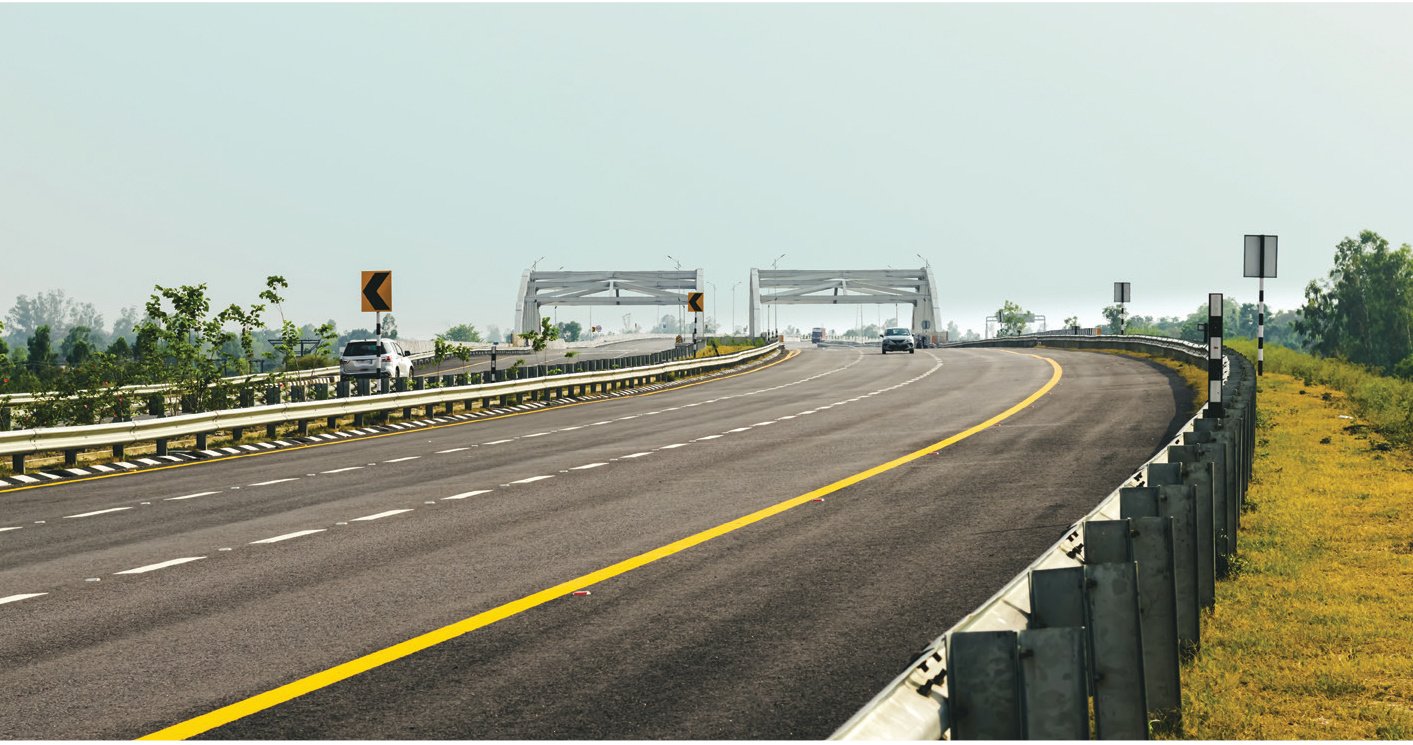
Delhi has significantly increased its capital allocation for roads and mobility projects in the 2026–27 fiscal year, signaling a renewed push to address congestion, improve connectivity and align infrastructure with environmental priorities. The move reflects the growing pressure on the capital’s transport systems as population density and vehicle ownership continue to rise. The enhanced spending under the Delhi road infrastructure investment programme is expected to fund large-scale road upgrades, including resurfacing of key corridors and the development of integrated transport routes. Officials indicate that these interventions are designed to reduce travel delays, improve traffic flow and lower pollution levels linked to inefficient road conditions.
Urban mobility experts point out that road quality plays a crucial role in traffic efficiency. Poorly maintained surfaces often contribute to slower speeds, increased fuel consumption and higher emissions. By prioritizing end-to-end redevelopment rather than isolated repairs, the city aims to create more consistent and durable road networks capable of handling heavy traffic volumes. A central component of the Delhi road infrastructure investment strategy is the development of integrated corridors across different parts of the city. These corridors are intended to function as streamlined mobility routes, combining road improvements with better traffic management systems and supporting infrastructure. Analysts suggest that such network-based planning can help distribute traffic more evenly, reducing pressure on overburdened intersections. The plan also includes efforts to complete long-delayed infrastructure projects that have faced administrative and coordination challenges in the past. Completing these projects is expected to unlock connectivity benefits in key urban zones, particularly where bottlenecks have persisted for years. In addition, new flyover developments are being prioritized to ease congestion at critical junctions and improve travel times between residential and commercial districts.
Alongside capacity expansion, the programe incorporates elements of sustainable mobility. Proposals for dedicated cycling infrastructure along certain stretches indicate a gradual shift towards encouraging non-motorised transport. Urban planners note that integrating such features into road design is essential for creating more inclusive and environmentally responsible transport systems. From an economic standpoint, infrastructure spending of this scale is likely to stimulate activity across construction, engineering and allied sectors. Improved connectivity can also enhance the attractiveness of peripheral areas for real estate development, supporting more balanced urban growth and reducing pressure on central districts. However, experts caution that long-term success will depend on effective execution and coordination among multiple agencies involved in planning, construction and maintenance. Without sustained oversight, large-scale investments risk delays and cost overruns, which can dilute intended benefits.
As Delhi continues to expand, the focus on integrated and climate-conscious road infrastructure highlights the evolving role of transport planning in shaping urban liveability. The coming years will determine whether these investments can deliver measurable improvements in commute efficiency, environmental performance and overall quality of life.