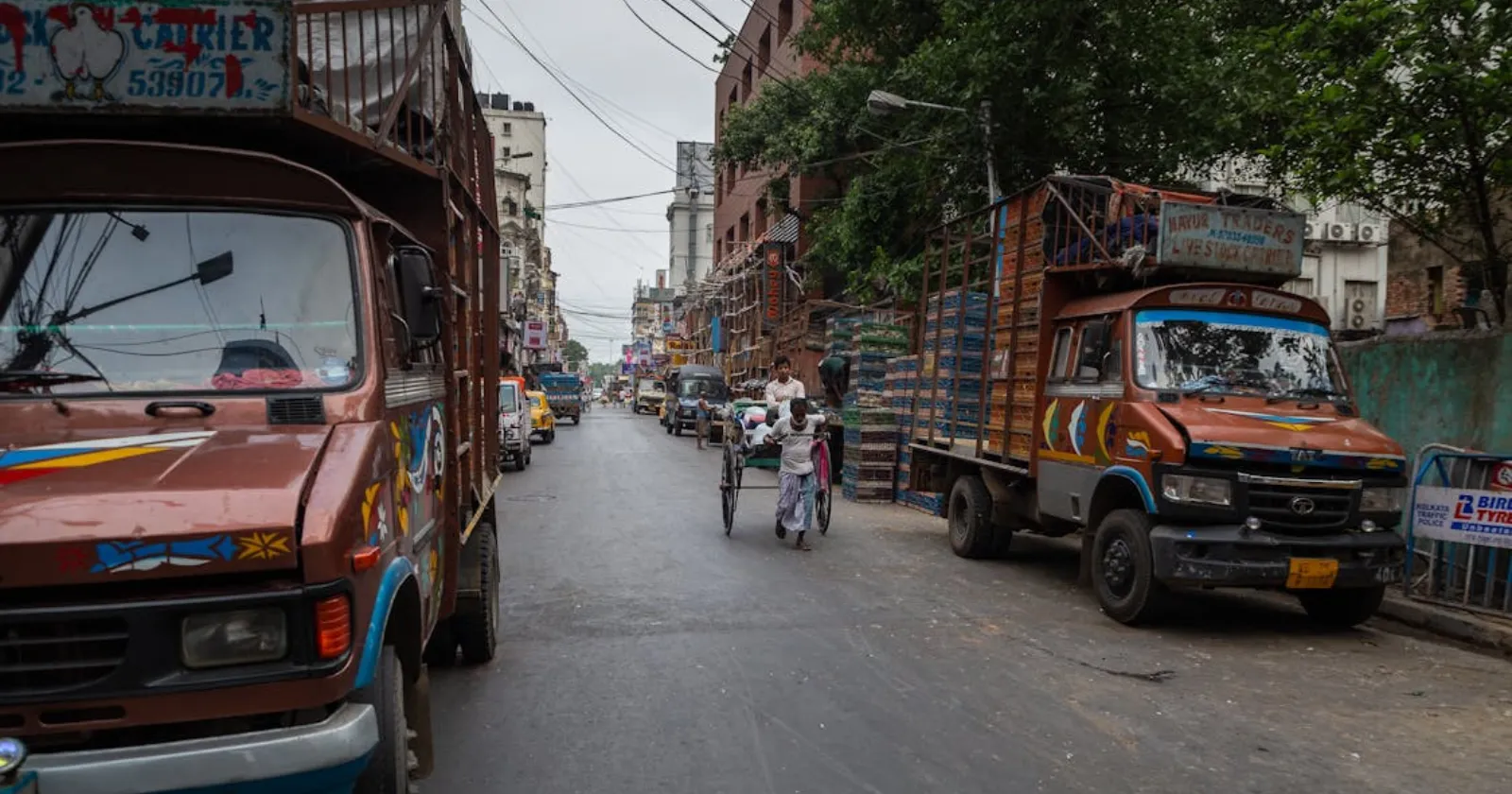
Delhi authorities are preparing to enforce stricter vehicle entry regulations aimed at curbing transport-related pollution, with only cleaner freight vehicles permitted to enter the capital from November this year. The proposed cleaner goods vehicles rule will limit entry to trucks and commercial carriers that comply with the latest emission standards or operate on alternative fuels such as compressed natural gas or electricity. The decision forms part of a wider urban air quality strategy that targets one of the largest contributors to pollution in the National Capital Region: freight transport. Thousands of heavy-duty trucks enter the city each day from neighbouring states, delivering construction materials, consumer goods and industrial supplies. Many of these vehicles are older diesel models that produce significantly higher emissions of particulate matter and nitrogen oxides.
Urban environmental experts say restricting entry to cleaner freight vehicles could reduce a significant portion of transport emissions, particularly during the winter months when Delhi’s air quality deteriorates sharply due to meteorological conditions and seasonal pollution sources. Officials associated with the pollution control framework indicate that the cleaner goods vehicles rule will be enforced at city entry points and border checkpoints. Monitoring systems and stricter inspection procedures are expected to ensure compliance, while older high-emission vehicles may be diverted or denied access to the capital’s road network. Alongside the entry restrictions, the government has identified more than sixty traffic congestion corridors across the city where interventions will be prioritised. These locations frequently experience slow-moving traffic and vehicle bottlenecks, which contribute to elevated emissions because engines run longer while idling. Transport planners say targeted traffic management, improved signal coordination and infrastructure adjustments at these hotspots could help reduce vehicular pollution while improving travel efficiency for commuters and freight operators.
The policy push also aligns with a broader transition towards cleaner mobility solutions in the capital. Authorities have been expanding electric bus fleets, promoting electric vehicles and encouraging the adoption of cleaner fuels across public and private transport systems. Urban policy researchers note that freight vehicles, though fewer in number than passenger cars, account for a disproportionate share of urban emissions due to their larger engines and longer operating hours. Restricting entry to vehicles meeting advanced emission standards is therefore considered an effective regulatory tool for improving air quality. However, experts caution that enforcement will require coordination with neighbouring states and transport operators. Freight corridors connecting Haryana, Uttar Pradesh and Rajasthan supply large volumes of goods to the capital’s wholesale markets, construction sites and industrial zones. In addition to vehicle restrictions, authorities are also focusing on complementary measures such as managing construction dust, improving waste handling systems and strengthening public transport networks. These initiatives form part of a multi-sector approach to tackle pollution sources across the urban ecosystem.
If implemented effectively, the cleaner goods vehicles rule could mark a significant shift in how freight movement is regulated in Delhi. For policymakers, the challenge will be balancing environmental goals with the logistical demands of a city that functions as one of India’s largest commercial and distribution hubs.