


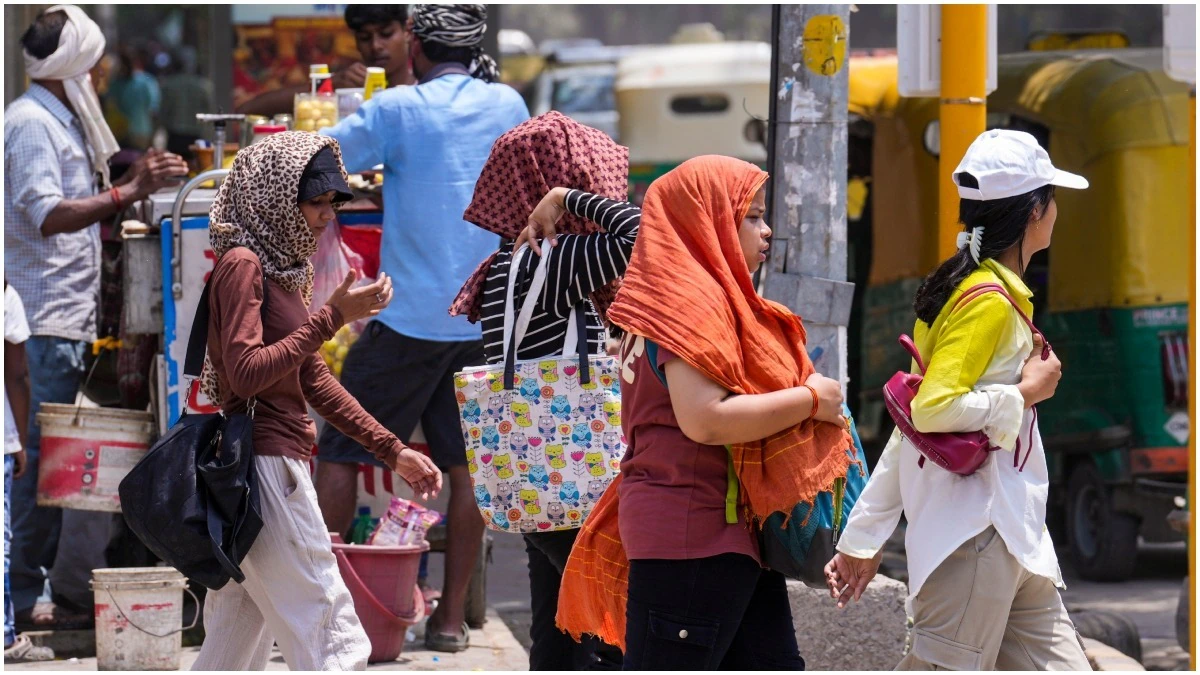
Delhi is set for an intense summer day, with temperatures climbing to 40.8 °C before expected evening thunderstorms offer some relief, marking a critical shift in the capital’s seasonal weather dynamics. The combination of soaring temperatures and high humidity is putting pressure on public health and urban infrastructure, as the city braces for the arrival of monsoon systems in the coming weeks.
The day began with a low of 33.7 °C, but by afternoon, the temperature was expected to peak close to 41 °C. Partly cloudy skies have prevailed, and moderate humidity levels of around 34%, combined with wind speeds nearing 28 km/h, are contributing to an uncomfortable atmosphere for those commuting or working outdoors. Weather agencies have projected an 85% likelihood of isolated thunderstorms later in the day, which may help ease the heat temporarily but are also expected to bring gusty winds and intense rainfall to some parts of the city.
The ongoing spell of extreme weather comes on the heels of several weeks of persistent heatwave conditions that have left Delhi reeling under high temperatures and low rainfall. Earlier in the month, authorities issued alerts following a record high heat index that made conditions feel close to 49 °C, exacerbated by dry winds and poor air quality. These spikes in heat and pollution levels have renewed conversations around the urgent need for climate-resilient urban planning, particularly in heat-prone cities like Delhi. Forecast models suggest that heat will continue to build through midweek, with highs of 42.2 °C predicted for Tuesday and 42.9 °C on Wednesday. Some respite is expected by Friday, when more widespread rain and lower temperatures—closer to 34 °C—may arrive, bringing the first tangible signs of monsoon activity. Meteorological experts suggest that the southwest monsoon could reach Delhi by 25 June, a timeline that aligns with historical averages but remains uncertain due to climate variability.
In the meantime, civic authorities are advising residents to avoid outdoor activity between 11 AM and 4 PM, especially children, the elderly, and individuals with respiratory or cardiovascular conditions. Hydration, protective clothing, and reduced physical exertion are being promoted through public service messaging. Citizens are also urged to take precautions against sudden changes in weather, such as strong winds, which have previously damaged trees, traffic signals, and power lines in early June. Earlier this month, a sudden thunderstorm brought wind speeds of nearly 96 km/h, uprooting trees, damaging electric poles, and disrupting airport operations. With the return of similar conditions this week, municipal bodies are on alert to respond swiftly to any localised flooding or infrastructure damage. Pre-monsoon preparations, including stormwater drain cleaning and tree pruning, have been expedited, but many city zones remain vulnerable to flooding and traffic congestion in the event of heavy showers.
Environmental scientists warn that such erratic weather patterns are consistent with climate change projections for Delhi, where prolonged dry heat is increasingly followed by intense, short bursts of rain. This volatility not only threatens urban life but also disrupts local biodiversity, agriculture, and water availability. Experts stress the need for expanding green cover in the city to reduce the heat island effect, building permeable pavements to facilitate water absorption, and strengthening early-warning systems for extreme weather. Delhi’s air quality remains another critical concern. Despite moderate readings over the past few days, the Air Quality Index (AQI) has often slipped into the ‘poor’ category due to dust storms and vehicle emissions. Rising temperatures amplify ground-level ozone formation, posing risks to vulnerable populations. Regulatory authorities have introduced measures to suppress dust from construction and unpaved roads, though implementation remains uneven.
Community-level action is being encouraged to help mitigate the effects of this prolonged heat spell. Resident welfare associations and school boards have begun scheduling activities around cooler hours, while several localities are experimenting with rooftop gardens and reflective paints to cool homes naturally. Rainwater harvesting projects are also gaining momentum as a means of reducing pressure on the city’s overstretched water infrastructure. Although evening thunderstorms are forecast to provide temporary relief, experts urge citizens not to let their guard down. Short bursts of rain can worsen road conditions and mask the ongoing risk posed by rising surface temperatures. Delhi’s experience of simultaneous heatwaves and storm surges highlights the growing complexity of urban climate risks.
As the week unfolds, the capital will continue to grapple with a combination of high temperatures and erratic rain. With the monsoon approaching, the focus must shift toward long-term urban climate resilience—ensuring that both infrastructure and communities can withstand the volatile weather cycles that now define Delhi’s summer season.
Also Read : Bihar Monsoon to Intensify from June 17 2025
