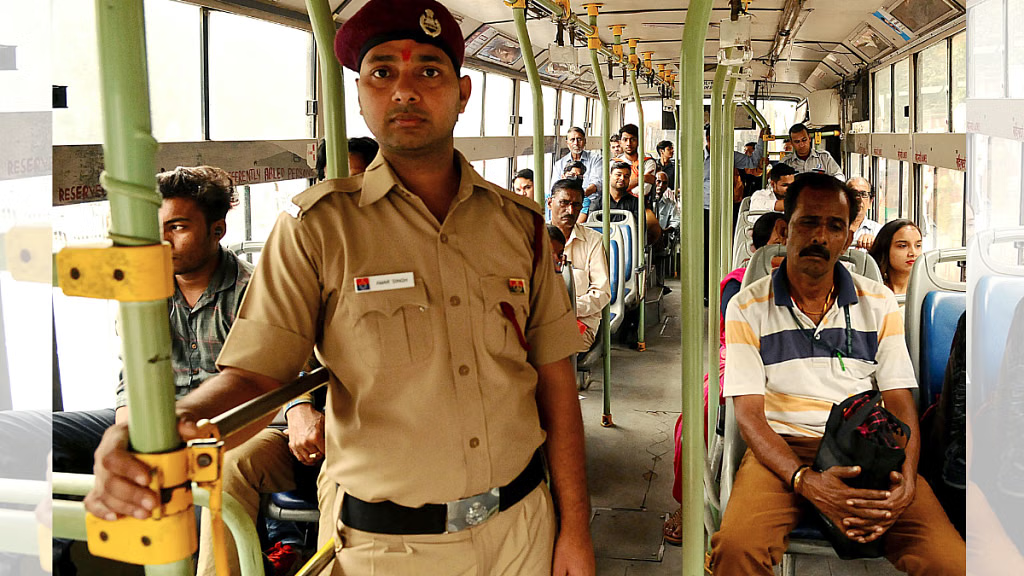
Delhi Removes 467 Bus Marshals After Fake IDs Found
Delhi’s public transport safety drive has been jolted after the Delhi Transport Corporation (DTC) confirmed the removal of more than 460 bus marshals, following revelations of fake identity records and criminal backgrounds. The crackdown, initiated after an internal inquiry, raises urgent questions over vetting processes in a city where passenger security, especially for women, remains a priority.
According to DTC officials, around 3,200 home guards were deployed as marshals across 3,500 buses to ensure orderly commuting. However, recent checks in collaboration with Delhi Police uncovered troubling discrepancies. At least 90 marshals were found with criminal records, while more than 370 carried fake identification or incomplete details. All have been repatriated to the Directorate of Home Guards, leaving a significant gap in the safety infrastructure of the city’s bus fleet.The decision to engage home guards as bus marshals dates back to 2015, intended as a safety measure after rising incidents of harassment on public transport. Each marshal was being paid close to ₹970 per day, highlighting not only the public safety concerns but also the financial implications of flawed recruitment processes. With nearly 13 per cent of the current marshal force found unsuitable, the development has triggered debates on how due diligence and accountability were overlooked.
Public transport in Delhi is already under scrutiny for congestion, safety concerns, and sustainability issues. Experts argue that such lapses compromise both commuter trust and the city’s efforts to position buses as a sustainable alternative to private vehicles. In the wake of global commitments toward equitable, carbon-neutral cities, Delhi cannot afford to allow institutional weaknesses to derail progress.What makes the situation more concerning is the timing. Just days before the announcement, a violent altercation on a DTC bus resulted in a marshal attacking a conductor during a dispute over the route. This incident reinforced the urgency of the probe and lent weight to calls for stricter oversight of those entrusted with maintaining passenger safety.
Transport officials admit that flaws in verification were responsible for the episode, but stress that corrective steps are underway. The immediate challenge now lies in replenishing the marshal workforce with properly vetted personnel, while ensuring women and other vulnerable commuters do not feel unsafe during daily travel.For a city grappling with rising ridership, mounting emissions, and urban congestion, safe and reliable public transport remains central to building a sustainable future. Experts emphasise that robust governance and ethical recruitment processes will not only restore commuter confidence but also strengthen Delhi’s push towards an inclusive and eco-friendly mobility network.