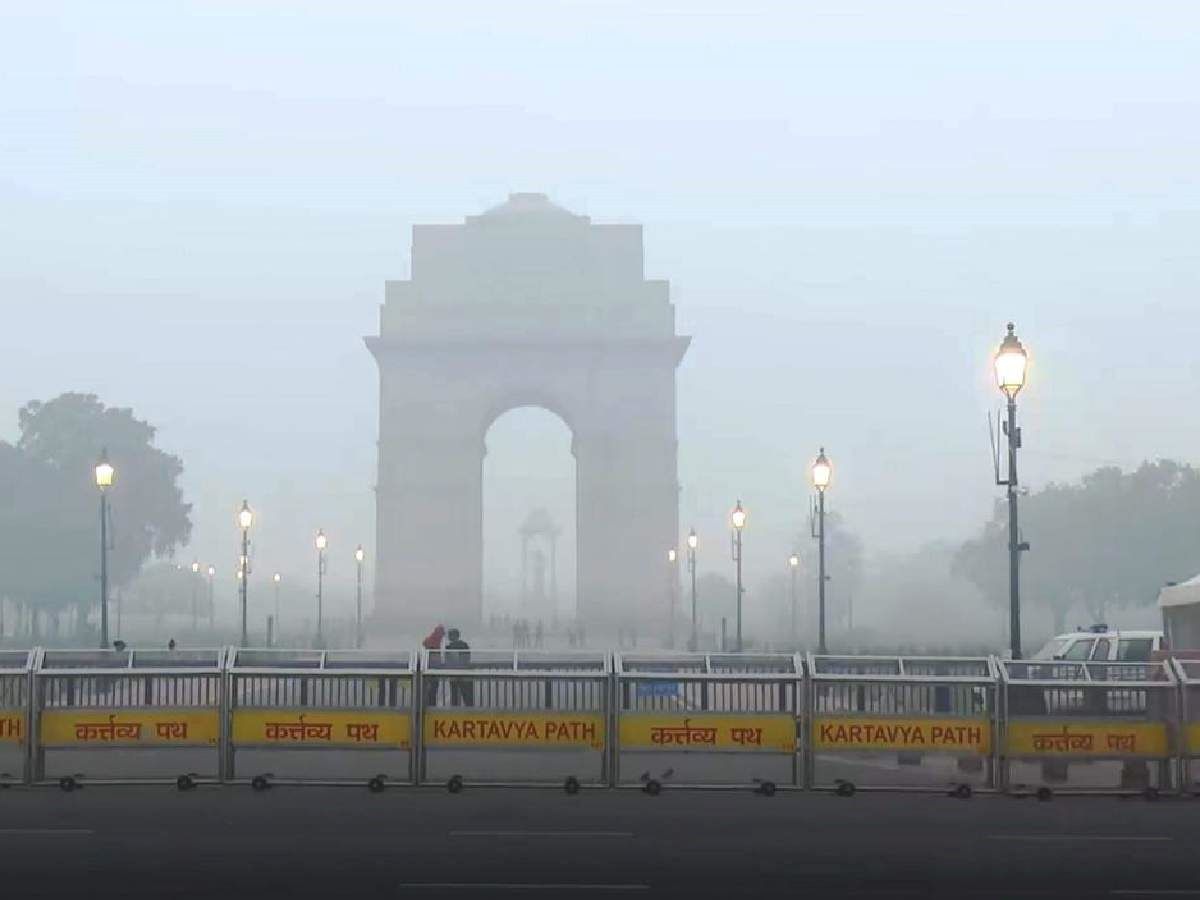
Delhi has rolled back its toughest air pollution restrictions after a modest but sustained improvement in air quality, offering temporary relief to residents, construction firms and transport operators across the National Capital Region. The Commission for Air Quality Management (CAQM) has withdrawn Stage IV measures under the Graded Response Action Plan (GRAP), signalling a cautious recalibration of emergency controls as pollution levels edged down from “severe” territory.
The decision follows a three-day decline in the city’s Air Quality Index (AQI), which dropped from 440 on January 18 to 378 by Tuesday, according to official pollution monitoring data. While still well above safe limits, the downward trend was deemed sufficient to ease the most disruptive restrictions, which had included bans on non-essential construction and tighter curbs on polluting vehicles. A senior official involved in the review process said the rollback was driven by both environmental data and economic considerations. “Stage IV curbs have wide-ranging impacts on livelihoods, infrastructure timelines and urban services. The easing reflects a balance between public health protection and the need to avoid prolonged economic disruption,” the official said.
Despite the relaxation, authorities have retained GRAP Stages I, II and III across Delhi-NCR. These measures continue to regulate construction dust, restrict diesel generator use, intensify mechanised road sweeping and limit the operation of older, more polluting vehicles. Officials stressed that enforcement agencies have been directed to maintain vigilance to prevent a rebound in Delhi air pollution, particularly as winter meteorological conditions remain unfavourable for dispersion. The CAQM also clarified that construction and demolition sites previously shut for statutory violations will not be allowed to resume work without explicit clearance. This condition underscores a growing emphasis on compliance and accountability within the city’s real estate and infrastructure sectors, where dust emissions remain a major contributor to particulate pollution.
Urban planners note that while emergency controls are necessary, they do little to address the structural roots of Delhi air pollution. “These short-term measures buy time, but the real gains will come from cleaner transport, decentralised energy systems and better urban design that reduces reliance on private vehicles,” said an environmental policy expert. For the property and infrastructure industries, the partial lifting of curbs brings limited operational relief. Developers had warned that prolonged construction bans were inflating costs and delaying project deliveries, particularly in affordable housing segments. However, industry analysts caution that stop-start regulatory cycles also raise financing risks and complicate compliance planning.
From a public health perspective, doctors and air quality researchers remain guarded. An AQI of 378 still falls in the “very poor” category, associated with respiratory distress and cardiovascular risks, especially for children, older adults and outdoor workers. Health experts say consistent improvement, not isolated dips, should guide future relaxations. The rollback also highlights the fragility of air quality gains in a megacity grappling with vehicular emissions, construction dust, industrial pollution and seasonal biomass burning. With forecasts indicating fluctuating wind patterns and temperature inversions, officials have signalled that restrictions could be reimposed if Delhi air pollution levels worsen again.
Looking ahead, policymakers face renewed pressure to move beyond episodic crisis management towards durable solutions. Cleaner public transport, tighter building codes, low-emission logistics and regional coordination on pollution sources are increasingly seen as central to building a climate-resilient, people-first urban environment. For now, the easing of GRAP-IV offers a brief window of respite. Whether it translates into lasting improvement will depend on sustained enforcement, behavioural change and structural reforms that outlast the winter smog season.
Delhi Relaxes Curbs as Air Improves