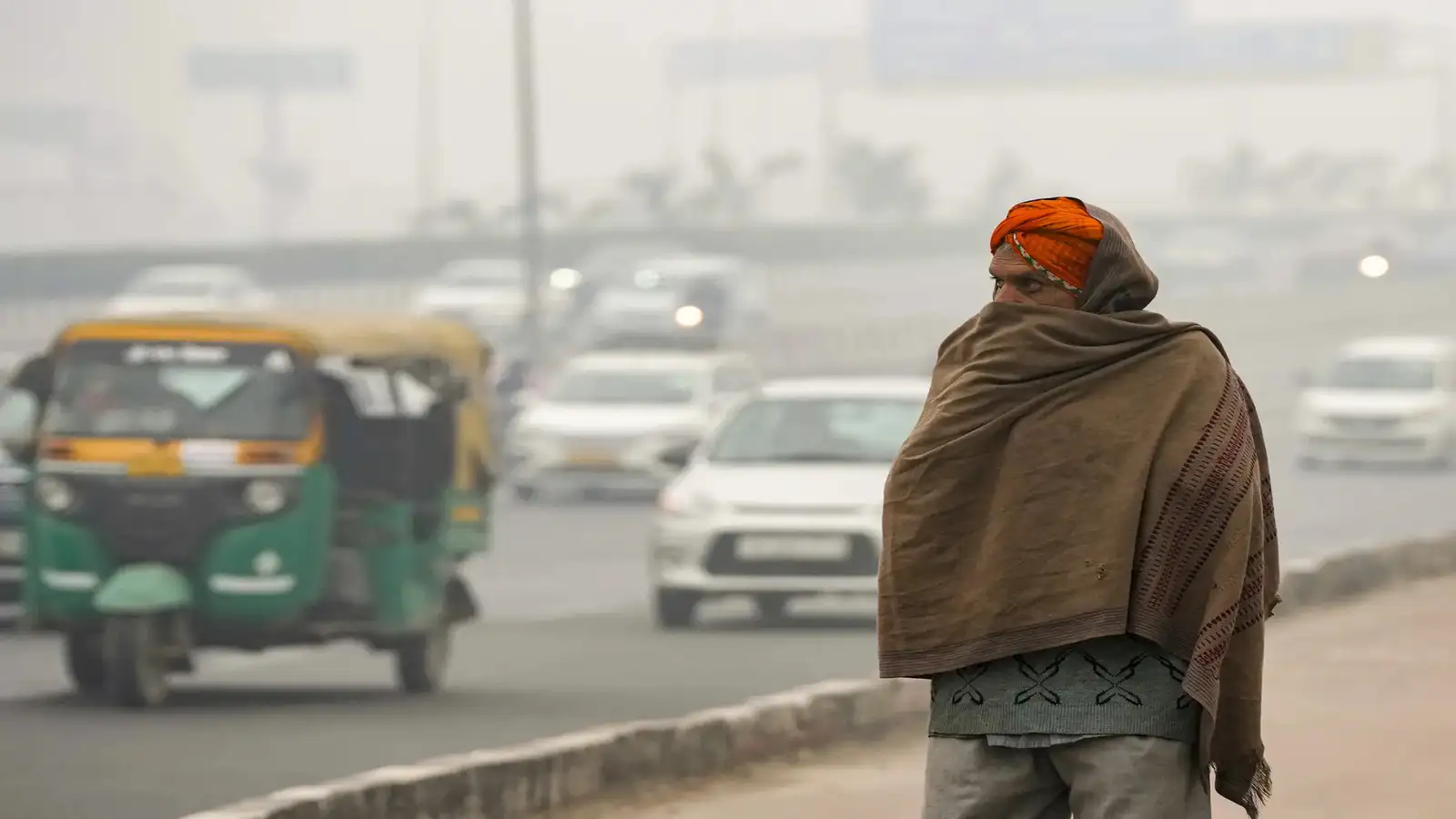
Parts of the national capital and adjoining northern regions are set to experience intensified winter conditions over the coming days, with official forecasts indicating a cold wave across Delhi and surrounding areas. Weather authorities have warned that the temperature drop, coupled with dense fog and rainfall in hill states, could disrupt daily life, strain urban systems, and heighten risks for vulnerable populations across northern India.
According to meteorological assessments, cold wave conditions are likely to persist in sections of Delhi, Haryana, and Chandigarh over the next three days. Simultaneously, higher-altitude regions including Jammu and Kashmir, Himachal Pradesh, and Ladakh are expected to receive spells of heavy rainfall, while dense fog is projected to affect parts of Punjab, Haryana, Chandigarh, and Himachal Pradesh, particularly during early morning and night hours. Urban planners and climate researchers note that such winter extremes are no longer isolated weather events but part of a broader pattern of increasing variability. “Cold waves combined with fog have cascading impacts on mobility, public health, and energy demand,” said a senior urban climate expert. In dense cities like Delhi, lower temperatures often coincide with poor air dispersion, intensifying pollution exposure and respiratory stress for residents.
From an infrastructure perspective, prolonged cold conditions place additional pressure on transport networks, especially road and rail systems already vulnerable to reduced visibility. Dense fog frequently leads to traffic slowdowns, flight delays, and disruptions to freight movement, affecting supply chains and economic activity across the region. Urban local bodies are also expected to monitor shelters, night homes, and emergency services to ensure protection for the homeless and outdoor workers. Public health specialists highlight that cold waves disproportionately affect the elderly, children, and informal sector workers. Temporary heating arrangements, access to warm shelters, and continuity of essential services become critical during such periods. Experts have repeatedly stressed the need for city-level winter action plans that integrate weather alerts with health advisories, shelter readiness, and coordinated response mechanisms.
The forecasted rainfall in hill states may also have downstream effects. Urban water managers point out that winter precipitation contributes to snow accumulation and groundwater recharge, which can be beneficial in the long term. However, sudden heavy rainfall raises the risk of landslides and temporary road closures, impacting connectivity between hill regions and plains. Climate analysts argue that winter preparedness should receive the same institutional attention as heat action planning. As cities face more frequent cold extremes alongside heatwaves and intense rainfall, adaptive urban design—such as insulated housing for low-income communities, resilient transport planning, and decentralised energy systems—becomes increasingly important.
As the cold spell unfolds, authorities are expected to continue issuing location-specific advisories and visibility warnings. For residents, the coming days will test not just personal preparedness, but also how effectively cities translate climate forecasts into timely, people-first urban responses.
Delhi Region Faces Intensifying Winter Conditions