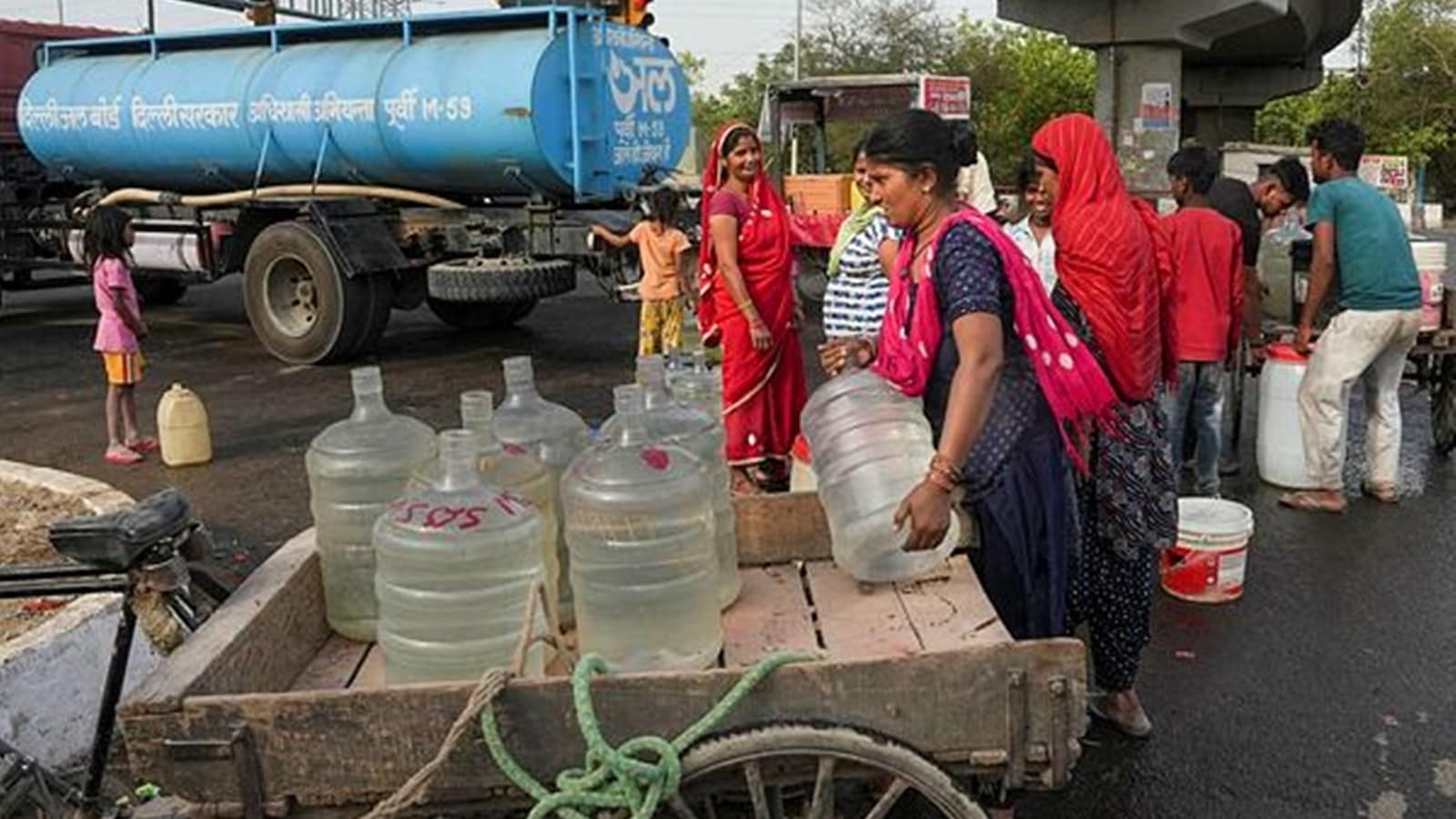
Delhi is accelerating efforts to integrate recycled water into its urban supply system as rising demand and persistent losses strain conventional sources. With population projections pointing to nearly 30 million residents within the next two decades, planners are increasingly positioning Delhi recycled water as a central pillar in managing the capital’s future water security. Official assessments indicate that daily potable water demand could rise to around 1,500 million gallons per day (MGD), up from current levels of roughly 1,250 MGD. While treatment capacity has expanded over time, the pace of urban growth has outstripped infrastructure gains, leaving the city dependent on a mix of piped supply, groundwater extraction, and tanker deliveries during peak demand periods.
To address this imbalance, authorities are exploring a dual-network approach that separates drinking water from non-potable uses. Under this model, Delhi recycled water would be supplied for activities such as landscaping, industrial processes, and sanitation, reducing pressure on treated freshwater resources. Urban planners say such systems are already standard in water-stressed global cities and can significantly improve efficiency when implemented at scale.The shift comes alongside steady improvements in sewage treatment capacity, which has nearly doubled over the past two decades. However, only a fraction of treated wastewater is currently reused. Expanding reuse could unlock a substantial secondary supply stream, particularly for large institutional and industrial consumers. Despite these gains, systemic inefficiencies remain a major concern. Estimates suggest that more than half of the city’s water supply is lost through leaks, unauthorised connections, and outdated infrastructure. This level of non-revenue water is far above global benchmarks and undermines both financial sustainability and service reliability.
In response, authorities have begun replacing ageing pipelines, installing flow meters, and deploying digital monitoring systems to track distribution in real time. A senior official noted that data-driven management could help identify leakages faster and improve accountability across the network. Measures such as GPS tracking of water tankers and mobile service platforms are also being used to improve transparency in last-mile delivery. On the consumer side, widespread use of household reverse osmosis systems has added another layer of inefficiency, as these devices discharge significant volumes of wastewater. Experts argue that public awareness and regulation may be needed to curb excessive wastage at the household level. Financially, utilities are attempting to stabilise revenues through higher metering coverage and revised tariffs for non-subsidised users. At the same time, cross-subsidisation continues to support basic water access, reflecting the social dimension of urban service delivery.
Looking ahead, the success of Delhi recycled water initiatives will depend on coordinated investments in treatment, distribution, and governance. If effectively scaled, recycled water could reduce dependence on external sources, support climate resilience, and create a more circular urban water economy—critical for a city navigating both growth and environmental stress.