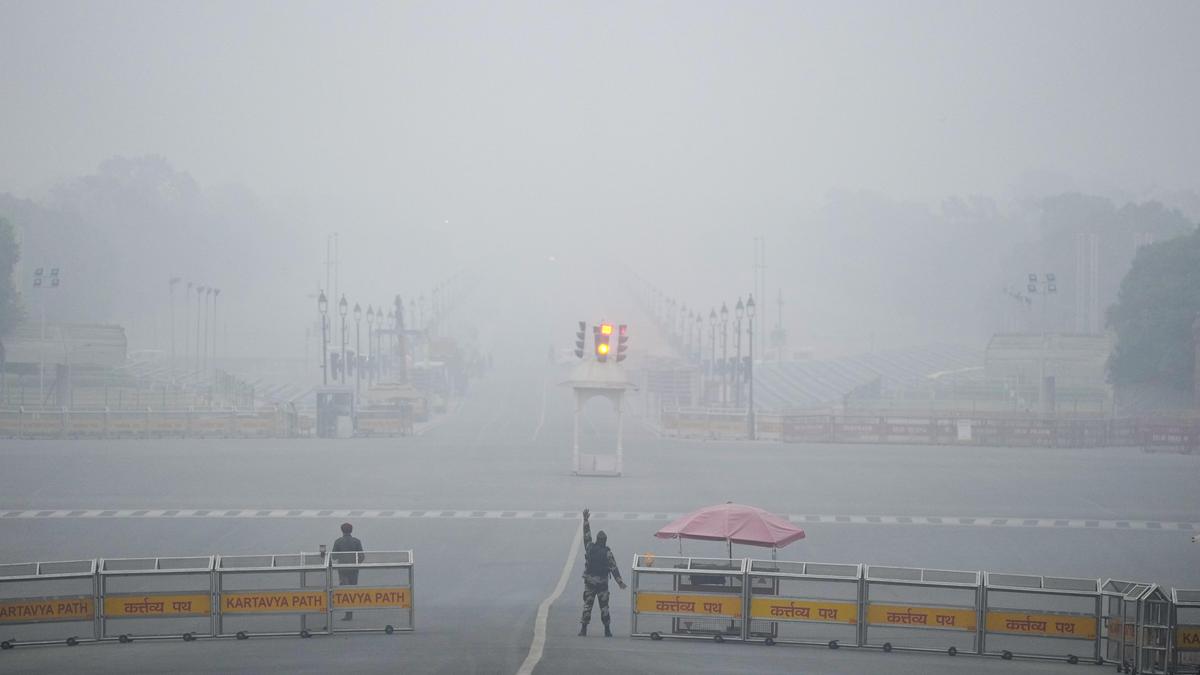
Delhi experienced a significant dip in overnight temperatures this weekend, with the mercury falling well below seasonal norms alongside a sharp deterioration in air quality. The combination of colder weather and lingering particulate pollution underscores persistent environmental and public health challenges in the rapidly urbanising capital.
Meteorological data from the city’s weather stations showed the minimum temperature at its base reporting location settled at 6.7°C roughly 1.7°C below the long-term average for this time of year. Other stations across the metropolis reflected similar chills, with some southern and western localities dropping into the low single digits. For residents, especially older adults and outdoor workers, cooler nights amplify the need for adequate shelter and community support.
Compounding the cold snap, air quality indices at peak morning hours placed Delhi in the “poor” category. Readings above 250 on the air quality scale indicate elevated concentrations of fine particulate matter, which can irritate airways and exacerbate respiratory conditions. Urban health professionals highlight that such conditions pose elevated risks for children, seniors and those with chronic illnesses, especially when sustained over several days. City planners note that seasonal inversions where cooler air is trapped near the ground under a warmer air layer above often coincide with winter temperature drops, limiting pollution dispersion. In densely developed urban areas, emissions from vehicles, construction, waste burning and domestic heating contribute to poor air quality when atmospheric mixing is reduced.
The persistence of lower temperatures and stagnating air arises amid broader climate trends and urban land use patterns. Experts say that while climate change is increasing average global temperatures, localised cold spells remain part of natural variability. Urban heat island effects conversely can elevate daytime warmth. The juxtaposition of temperature swings and air pollution highlights the complexity in managing microclimates within built environments. Public health officials and environmental analysts argue that addressing air quality requires coordinated interventions across transport policy, energy systems and land planning. Reductions in fossil fuel dependency through cleaner public transit, electrification of vehicles and tighter emissions controls for construction machinery can lessen particulate loads. Expanded greenspaces and tree cover also play a role in improving air filtration and enhancing liveability in dense neighbourhoods.
For households, short-term coping strategies during temperature dips include ensuring adequate home insulation, seeking medical guidance for air pollution masks when necessary and monitoring local air quality networks. Cities with stringent pollution alerts often issue advisories that limit heavy vehicle movement and encourage remote work on peak pollution days. Looking ahead, policymakers in Delhi are expected to refine winter air quality action plans that integrate real-time forecasting with enforceable mitigation measures. These may span temporary curbs on specific emission sources, enhanced monitoring networks and community awareness campaigns about weather-linked pollution risks. If effectively implemented, such measures can protect urban populations from the dual pressures of cold stress and poor air conditions likely to recur during the winter season.
Delhi Records Low Winter Temperature And Poor Air Quality