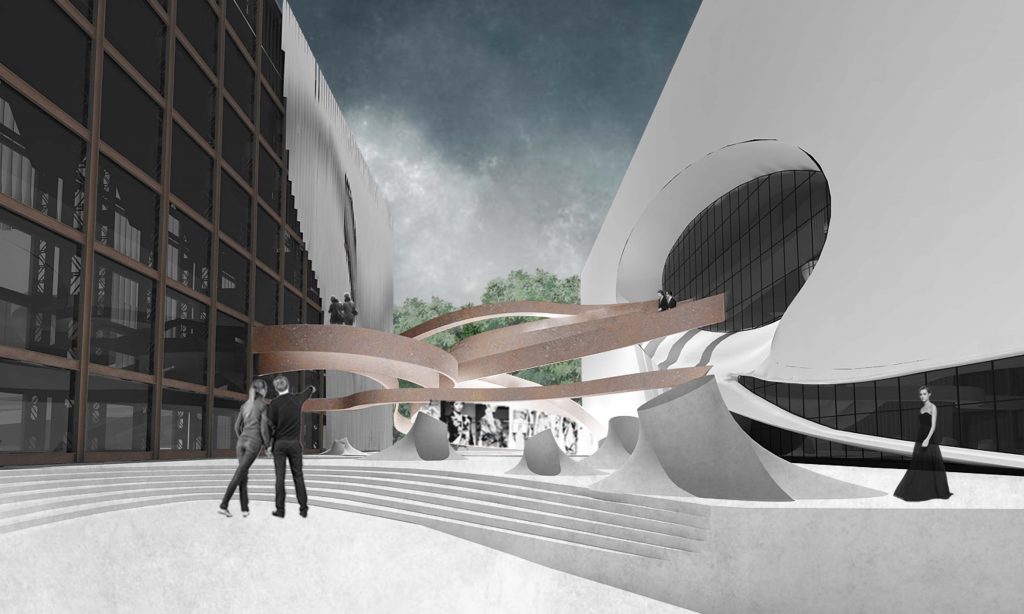
A long-idle power generation site on the banks of the Yamuna may soon anchor Delhi’s emerging night-time economy, as the city’s power department prepares a redevelopment proposal for the Rajghat Thermal Power Plant. The plan, now at an early policy stage, reflects a broader shift in urban thinking away from demolition-led renewal towards adaptive reuse of industrial land to support tourism, employment and low-carbon public spaces.
Closed for over a decade, the 28-acre Rajghat Thermal Power Plant occupies a strategically located parcel in central Delhi. Urban development officials say the site’s scale and proximity to heritage and transport corridors make it suitable for conversion into a mixed-use cultural and leisure district, rather than conventional commercial real estate or administrative offices. The concept draws on global precedents where redundant industrial infrastructure has been repurposed into high-footfall public destinations. International case studies were examined to understand how former power stations, rail corridors and factories have been transformed into economically productive yet pedestrian-oriented zones. For Delhi, the emphasis is on building a night-time destination that balances entertainment with public access and environmental restraint.
According to planners familiar with the proposal, the redevelopment framework prioritises low-emission design. Early plans include a riverfront promenade powered by solar lighting, reuse of decommissioned plant materials for public furniture, and electric-only recreational mobility within the site. These elements are intended to reduce operational energy demand while opening the Yamuna edge for safe evening use. Cultural infrastructure forms a key pillar of the proposal. Sections of the existing plant structures may be retrofitted to host performance spaces, exhibitions and interactive museums documenting the city’s industrial and energy transition. Urban historians note that such projects can preserve collective memory while generating steady visitor revenue, especially when combined with educational programming and digital installations.
From an economic perspective, the project signals a measured entry into the night economy, an area where Delhi has lagged peer global cities. Officials indicate that hospitality and entertainment zones could be operated through long-term leases, allowing the public sector to retain land ownership while sharing revenue. If executed carefully, this model could generate jobs across services, operations and maintenance without triggering speculative real estate pressure. Transport integration is also under consideration. Extended public transport hours and improved last-mile connectivity would be critical to ensuring that increased night activity does not translate into higher private vehicle use or neighbourhood disruption.
Urban policy experts caution that execution will determine outcomes. Coordination between multiple land-owning and civic agencies, environmental clearances, and community engagement will shape whether the Rajghat Thermal Power Plant becomes an inclusive public asset or a gated entertainment enclave. As Delhi grapples with land scarcity, climate constraints and shifting social patterns, the proposal reflects a growing recognition that urban regeneration must deliver economic value while restoring public life especially after dark.
Delhi Rajghat Plant Eyes Night Economy Shift