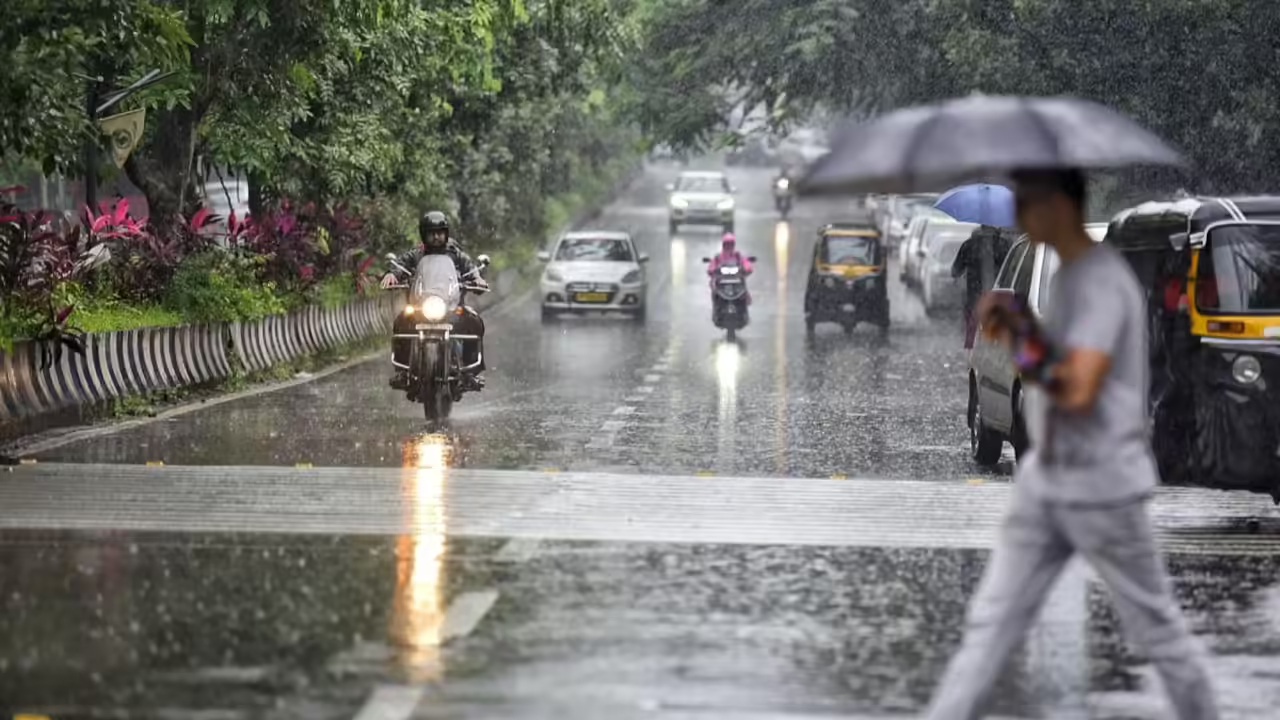
A shift in weather patterns is expected to bring short-term relief to Delhi’s rising temperatures, with a multi-day rainfall forecast likely to cool the city and moderate early summer heat stress. The change, anticipated between midweek and the weekend, carries implications not only for daily life but also for urban infrastructure, air quality, and energy demand. Meteorological assessments indicate that light to moderate rainfall, accompanied by thunderstorms and gusty winds, is likely over the next few days due to an incoming western disturbance. While initial precipitation may remain scattered, more consistent rainfall activity is expected to follow, contributing to a gradual drop in daytime temperatures.
The cooling effect is expected to be noticeable. After a period of above-average heat earlier in the month, daytime temperatures are projected to decline by several degrees, potentially falling below typical seasonal levels by the end of the week. Urban climate experts note that such fluctuations are increasingly common during transitional months, reflecting broader shifts in regional weather variability. The rainfall forecast also holds significance for Delhi’s air quality, which has remained in the moderate range in recent days. Rain and wind activity can help disperse particulate matter, offering temporary improvement in pollution levels. However, experts caution that these gains are often short-lived unless supported by sustained emission control measures. From an infrastructure standpoint, intermittent rainfall presents both opportunities and challenges. While it may reduce water demand in the short term and provide limited recharge benefits, it also tests the city’s drainage systems. Urban planners point out that even light to moderate showers can expose gaps in stormwater management, particularly in areas prone to waterlogging due to encroachments or inadequate maintenance.
The construction and real estate sectors may also experience minor disruptions during this period. On-site activity, especially in open or excavation-heavy projects, often slows during wet conditions. At the same time, developers and contractors increasingly factor such weather variability into project timelines, recognising the growing influence of climate patterns on urban development cycles. For residents, the immediate impact will be felt in improved thermal comfort after a stretch of rising heat. However, authorities have indicated the possibility of gusty winds, which could affect traffic flow, temporary structures, and outdoor activities. Preparedness measures typically include monitoring local advisories and ensuring basic safeguards in vulnerable areas. The evolving weather conditions underline the importance of climate-responsive urban planning. As cities like Delhi face more frequent weather variability, integrating resilient infrastructure—ranging from efficient drainage networks to adaptive building design—becomes critical.
In the coming days, the effectiveness of civic systems in handling even routine weather events will remain under observation, offering insights into how well the city is adapting to a changing climate reality.