A spell of light showers swept across parts of the capital on Wednesday morning, offering relief days after Delhi recorded an unusually early February heat spike above 31°C. The shift in conditions, confirmed by the India Meteorological Department (IMD), underscores growing weather volatility in north India at a time when urban planners are reassessing climate resilience across fast-expanding metropolitan regions.
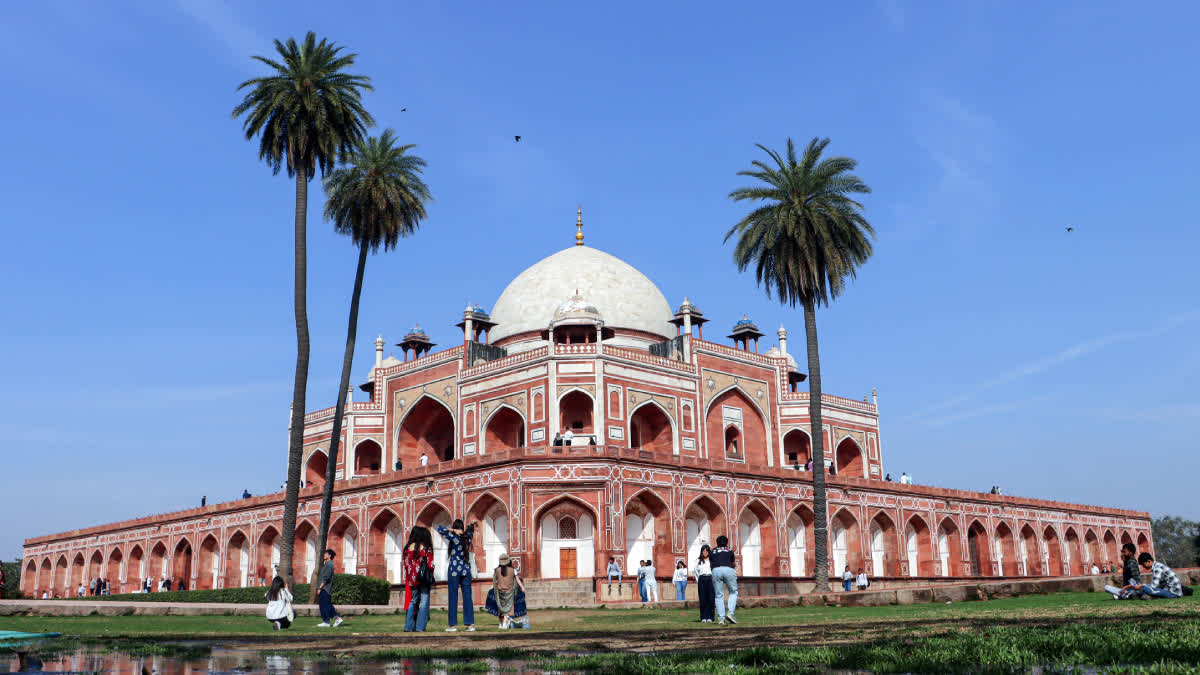
Early drizzle was reported in central and east Delhi, with wet roads visible near major public landmarks and commuter corridors. The rainfall follows a maximum temperature of 31.6°C earlier this week around seven degrees above the seasonal norm and the earliest such breach of the 30°C mark in five years. According to IMD forecasts, cloudy skies and intermittent rain are expected to persist across Delhi NCR, with temperatures moderating to the high twenties. Thunderstorms accompanied by gusty winds of up to 40 kmph may affect Delhi and adjoining districts including Noida, Ghaziabad and Gurugram. Minimum temperatures are projected to hover between 12°C and 14°C over the next 48 hours.
Meteorologists attribute the fluctuation to western disturbances interacting with warm air over the plains. However, climate researchers note that such abrupt transitions from near-summer heat to rain-bearing systems are becoming more frequent. For a city that routinely grapples with air pollution, water stress and heat island effects, short bursts of Delhi rainfall can offer temporary air quality relief but also test drainage infrastructure. Urban infrastructure experts say even light precipitation exposes bottlenecks in stormwater systems, particularly in low-lying neighbourhoods and rapidly built peri-urban areas. With Delhi’s built-up footprint expanding, natural drainage channels and floodplains have narrowed, increasing surface runoff during intense spells.
From an economic standpoint, the early heat surge had begun influencing energy demand, with cooling loads rising in commercial buildings ahead of schedule. The subsequent Delhi rainfall may ease short-term electricity consumption, but analysts caution that erratic temperature patterns complicate long-term grid planning and building design strategies. The IMD has also indicated broader regional impacts. Western Himalayan states may witness rain or snowfall, while parts of Punjab, Haryana and Rajasthan could experience thunderstorms and strong winds in the coming days. Such systems often influence agricultural cycles and supply chains that feed into Delhi’s wholesale markets.
Urban climate specialists argue that episodic Delhi rainfall events must be integrated into infrastructure policy rather than viewed as isolated weather updates. Expanding permeable surfaces, protecting wetlands and modernising drainage networks are increasingly central to sustainable city planning.
As the capital transitions between winter and early summer conditions, the recent temperature swing highlights a deeper challenge: designing cities capable of absorbing climatic shocks without economic or civic disruption. The coming weeks will reveal whether February’s volatility marks an anomaly or an emerging seasonal pattern that planners can no longer ignore.
Delhi Rainfall Follows Record February Heat