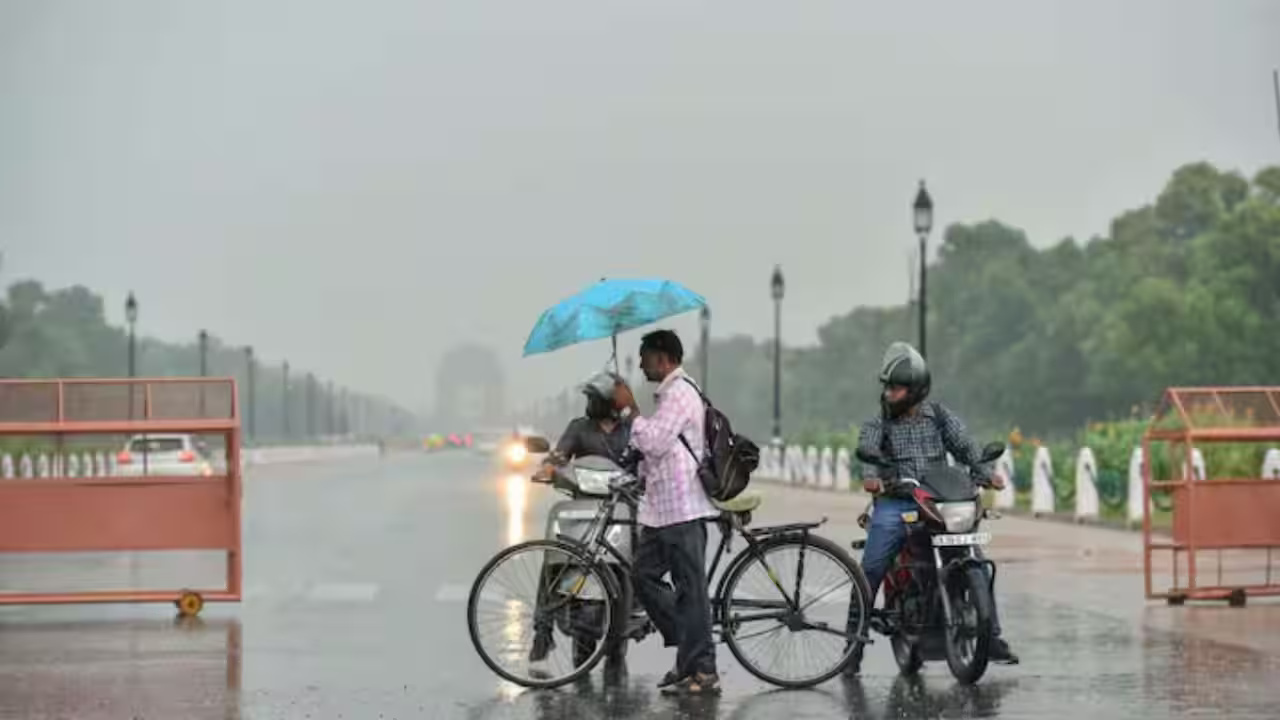
Delhi is set to experience another bout of unsettled winter weather, with intermittent rainfall, thunderstorms, and gusty winds forecast across the city. Urban planners and infrastructure managers say the developing conditions underscore the growing volatility of winter patterns in north India and their implications for mobility, construction schedules, and air quality management in a dense megacity.
Weather monitoring agencies indicate that the fresh spell is linked to a western disturbance moving across northwest India, a recurring system that has influenced Delhi’s climate repeatedly this month. Cloud cover is expected to dominate through the day, with short but intense rain events possible in several pockets. Alongside precipitation, the forecast includes lightning, brief high-speed winds, and reduced visibility during early morning hours. For residents, the immediate impact is likely to be felt on roads and public transport networks. Light rain combined with fog can slow traffic, disrupt bus and rail operations, and increase the risk of minor accidents during peak hours. Urban transport experts note that such conditions test the preparedness of last-mile connectivity, particularly for pedestrians and cyclists navigating poorly drained or uneven surfaces.
Temperature trends also reflect sharp fluctuations. Night-time readings dipped below seasonal averages over the weekend, continuing a pattern of rapid cooling followed by sudden warming. Meteorological assessments suggest that cloud cover may temporarily push minimum temperatures higher over the next two days before another decline later in the week. These swings, climate specialists say, place additional strain on vulnerable populations, especially those without adequate housing insulation or heating. Rainfall levels recorded this winter have already exceeded long-term averages for January, highlighting a shift in precipitation distribution rather than total seasonal volume. Urban climate researchers point out that even moderate rain events can stress drainage systems designed decades ago, particularly when combined with construction activity and surface sealing from rapid urbanisation.
Air quality remains a parallel concern. Despite expectations that rain can help settle airborne pollutants, monitoring data shows Delhi’s air quality index slipping back into the “very poor” range. Analysts attribute this to low wind speeds, temperature inversions, and local emissions from traffic and heating-related sources. Forecast models suggest that pollution levels may continue to fluctuate between poor and very poor categories in the coming days. From a city management perspective, the episode reinforces the need for integrated weather-response planning. Experts argue that adaptive infrastructure—such as responsive traffic management, improved stormwater drainage, and climate-sensitive building design—will be critical as Delhi faces increasingly unpredictable winter conditions.
Looking ahead, planners say the focus must shift from reactive advisories to systemic resilience. As climate variability becomes the norm rather than the exception, Delhi’s ability to align weather forecasting with urban operations could determine how effectively the city protects public health, economic activity, and everyday mobility during extreme but short-lived weather events.
Delhi Rain Alert Impacts Mobility Planning