


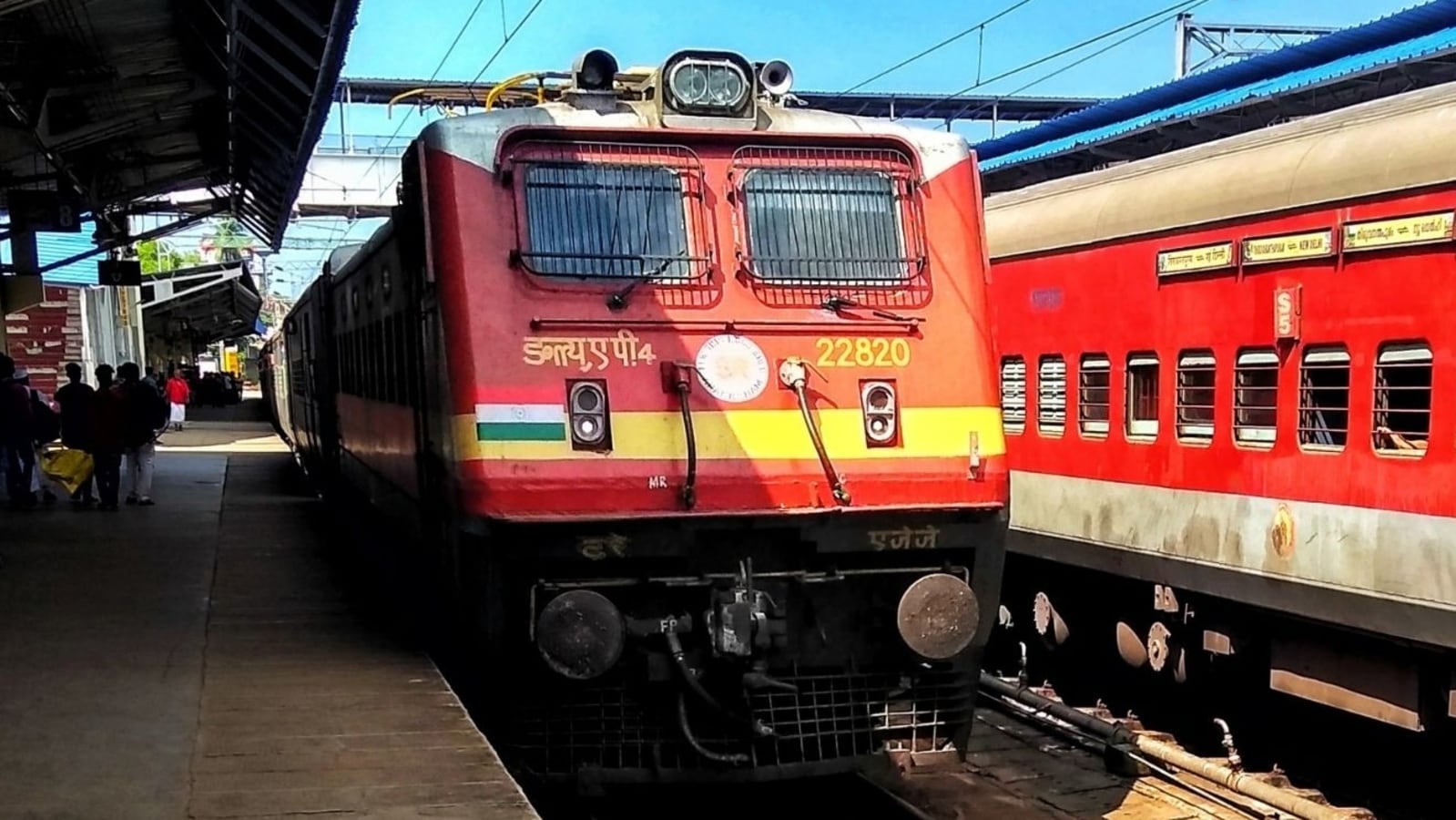
The Indian Railways has sanctioned a budget of ₹309.26 crore for the large-scale implementation of its indigenous automatic train protection system, Kavach, across 14 strategic rail sections. This significant investment, which covers key routes within the Prayagraj, Jhansi, and Agra railway divisions, represents a profound commitment to rail safety and efficiency. The rollout of this cutting-edge technology is a cornerstone of the national transporter’s strategy to create a safer, more reliable, and sustainable public transit network—a vital component in the development of zero-net-carbon, equitable cities.
The Kavach system, developed under the “Atmanirbhar Bharat” (self-reliant India) initiative, is designed to prevent collisions by automatically regulating train speeds and providing real-time alerts to operators. This technology-intensive system, which recently saw its advanced Kavach 4.0 version commissioned on the high-density Delhi-Mumbai route, is a significant leap forward in railway safety. Unlike previous systems that were more reliant on human intervention, Kavach’s sophisticated communication and control mechanisms reduce the risk of accidents from human error, particularly in challenging conditions like dense fog or signaling failures. The project, which aims to be completed by 2025, will cover over 790 km of track in the North Central Railway zone.
The implementation of Kavach is not merely a safety measure; it’s a strategic move that underpins the railways’ broader sustainability goals. By ensuring more reliable and punctual services, this technology enhances the attractiveness of rail travel, encouraging a crucial modal shift away from more polluting forms of transport like personal vehicles. This shift is essential for reducing carbon emissions and alleviating traffic congestion in and around India’s growing urban centres. The railway’s ability to move millions of people daily with a lower carbon footprint makes its technological resilience a prerequisite for creating genuinely eco-friendly and equitable cities.
Furthermore, the Kavach system directly contributes to the vision of a gender-neutral and equitable transportation network. A safe and dependable public transport system ensures that all citizens, regardless of gender or socioeconomic status, can travel with confidence. This reliability fosters greater mobility and access to economic and social opportunities for everyone, which is a fundamental tenet of inclusive urban development. The investment in Kavach, therefore, is an investment in social infrastructure that benefits society as a whole.
The successful commissioning of Kavach 4.0 on major routes and the planned deployment on new sections reflect a proactive and systemic approach to safety. Experts note that while many developed nations took decades to implement similar systems, India’s indigenous development and swift rollout is a notable achievement. The ongoing training of thousands of technicians and operators on this new technology ensures that the human capital is ready to support this technological transformation. This holistic approach, combining infrastructure, technology, and skilled manpower, is poised to make Indian Railways a global leader in safe and sustainable mass transit.
The installation of the Kavach system is a clear indication that the Indian Railways is prioritising technology and safety as the primary drivers of its modernization agenda, thereby fortifying the foundation of the country’s sustainable urban future.
Also Read :Chakradharpur Division Upgrades Disrupt August–September Trains
