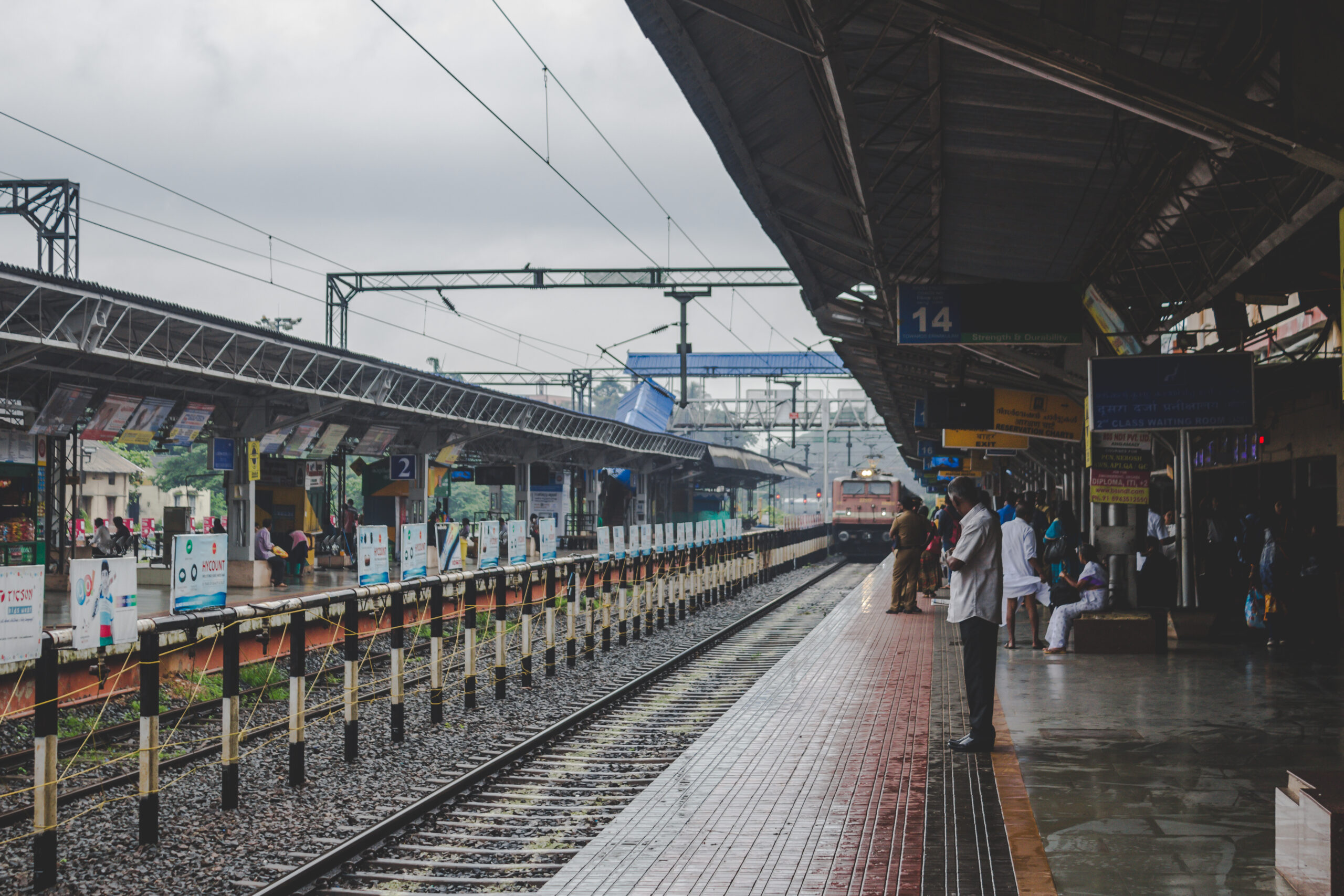
Delhi Railway Stations To Get Premium Retail Outlets Via E Auctions
Indian Railways will soon introduce premium single-brand retail outlets at select stations, offering passengers an airport-like shopping experience. The move, approved by the Railway Ministry, will follow an e-auction process and focus on high-footfall locations, aiming to boost non-fare revenue while upgrading station ambience in line with modernisation projects.
In a directive to zonal divisions, the Ministry has encouraged the identification of high-footfall locations where premium retail could enhance station ambience while generating non-fare revenue. Officials have been instructed to assess passenger demographics, available space, and station-specific characteristics before deciding the category of stores to be introduced.
The decision follows requests from a major railway zone seeking permission to open non-catering, company-owned retail stores from established brands in segments such as travel gear, apparel, footwear, and sports equipment. These would be located at redeveloped or upgraded stations under the Amrit Bharat Station Scheme and other modernisation programmes targeted for completion in the current financial year. Under the approved framework, divisions will create a dedicated ‘Premium Stores’ category within the e-auction module, allowing successful bidders to select their own brand for operation. Officials have been reminded that these outlets must be visually appealing and contribute positively to the station’s overall image. Special contractual terms may be framed to ensure that design, signage, and service standards remain consistent with the upgraded infrastructure.
The Ministry’s approach avoids nomination-based allotments, ensuring transparency and competitive pricing. By adopting an auction route, it aims to maximise revenue while allowing market demand to dictate the range of brands on offer. This marks a significant shift towards a more commercially vibrant and globally aligned railway environment. Experts in urban infrastructure note that this policy aligns with the government’s broader vision of sustainable and passenger-centric transport hubs. Modern railway stations, equipped with premium retail and eco-friendly facilities, can serve as microeconomic hubs, attracting both travellers and non-travellers. They point out that careful curation of product categories can also promote local craftsmanship and sustainable brands alongside global names.
The plan arrives at a time when India’s passenger expectations are evolving rapidly, and stations are increasingly seen as gateways to both the city and its culture. Industry observers believe that blending transport convenience with high-quality retail could make stations a preferred stop for shopping, especially in urban centres where space is at a premium. While the policy leaves flexibility for zones to decide the retail mix, the overarching goal is clear—create station environments that are not merely transit points, but modern urban spaces reflecting the standards of a growing economy. The success of the scheme will hinge on balancing commercial ambitions with accessibility, sustainability, and the public interest.