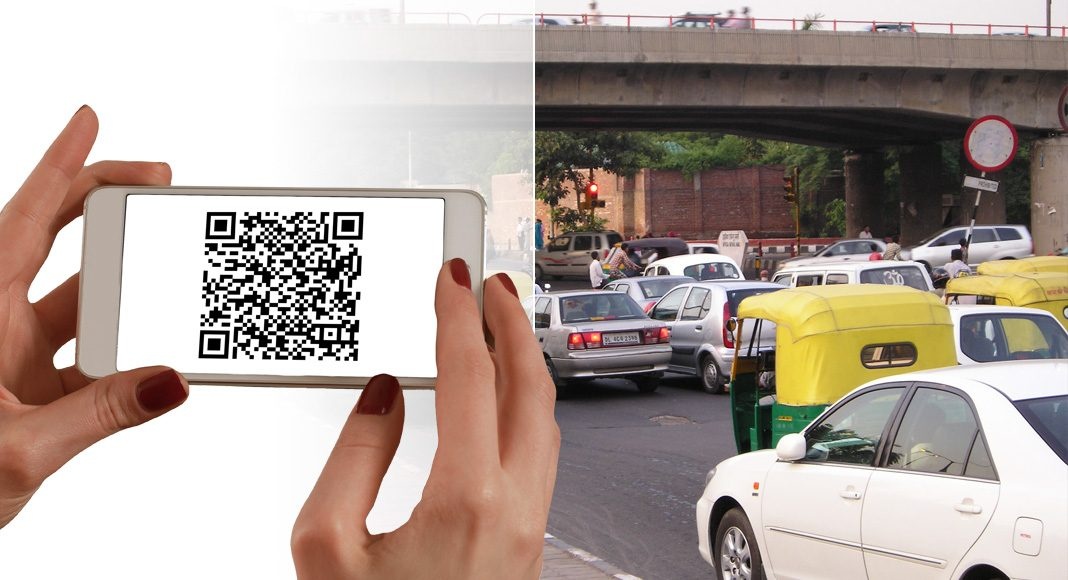
Delhi’s public works network is undergoing a digital shift, with QR-enabled boards now appearing across active road construction sites, signalling a move towards real-time transparency in urban infrastructure delivery. The initiative, led by the city’s Public Works Department, aims to make project data instantly accessible while strengthening public oversight—an approach increasingly seen as critical in fast-growing metropolitan regions.At key junctions and roadwork zones, these boards allow passers-by to scan a QR code using a smartphone and retrieve detailed information about ongoing works. This includes the scope of the project, contractor details, financial outlay, and expected completion timelines. The QR code road tracking system is designed to reduce information asymmetry between government agencies and citizens, particularly in large cities where infrastructure projects often face scrutiny over delays and cost overruns.
Urban planners note that such interventions can reshape how residents engage with civic infrastructure. By making project-level data visible and easy to access, authorities are effectively decentralising monitoring. Instead of relying solely on internal audits or formal complaints, citizens can directly flag issues such as poor construction quality, safety risks, or delays. This could lead to faster corrective action and improved accountability across contractors and executing agencies.The QR code road tracking system also introduces a feedback loop that captures public input in near real-time. For a city managing extensive road networks under constant repair and expansion, this creates a digital record of performance over time. Industry observers suggest that maintaining such records could influence future contractor selection and pricing benchmarks, potentially improving efficiency in public spending.
Beyond governance, the system has implications for urban resilience and sustainability. Transparent tracking of roadworks can help reduce repeated excavation and inefficient resource use—issues that contribute to emissions, traffic congestion, and material waste. Better coordination and visibility may also support long-term planning for climate-resilient infrastructure, especially in cities grappling with heat stress and extreme weather impacts on roads.Implementation guidelines indicate that boards must be installed early in the project lifecycle and updated as work progresses. This ensures that data remains current and useful, rather than becoming static displays. The emphasis on standardised, weather-resistant signage reflects an attempt to make the system durable and scalable across diverse urban conditions.
While still in early stages, the success of the QR code road tracking system will depend on consistent data updates, responsiveness to citizen feedback, and integration with broader digital governance platforms. If effectively executed, the model could be replicated in other Indian cities seeking to balance rapid infrastructure expansion with transparency, accountability, and citizen trust.