Delhi Pushes Yamuna Floodplain Restoration And Green Corridors
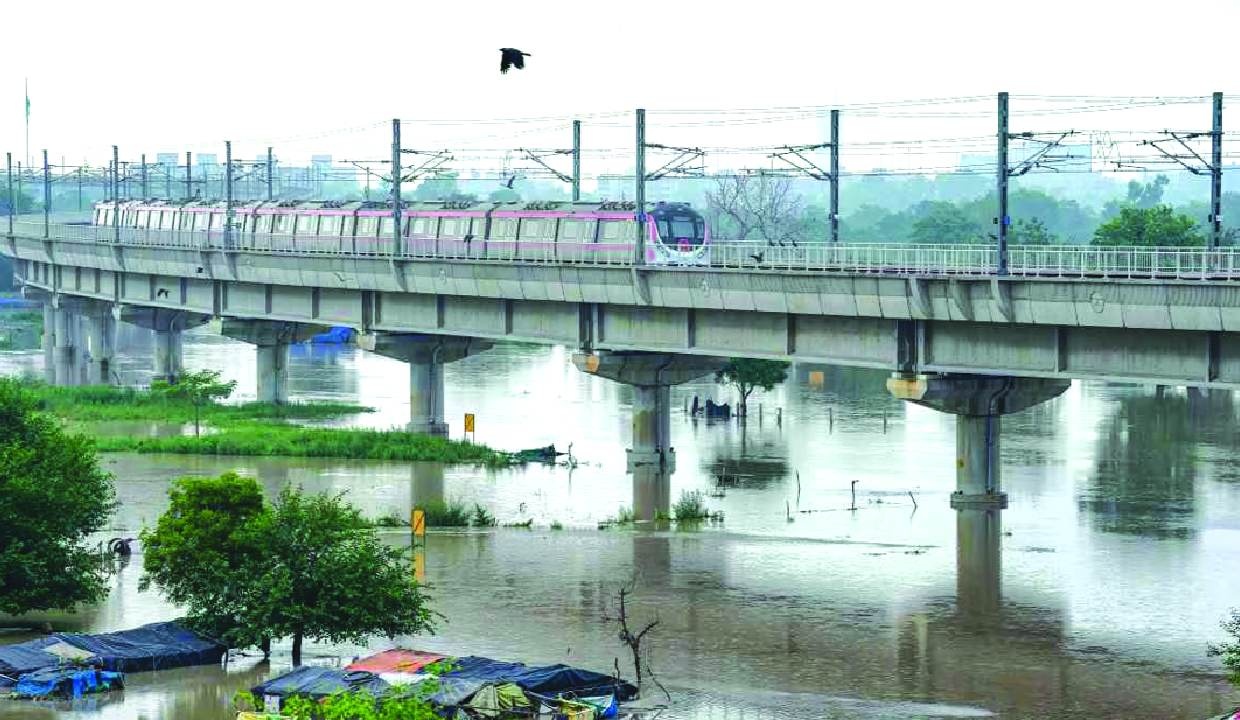
Delhi’s administration is preparing an extensive ecological and public space transformation along the Yamuna riverbanks, with authorities directing planning agencies to develop a continuous stretch of restored landscapes across the city’s floodplain. The initiative aims to convert underutilised and encroached riverfront areas into accessible green spaces while strengthening the ecological resilience of the Yamuna floodplain restoration corridor. Urban development agencies have been instructed to design a long-term plan covering the river stretch from the northern edge of the capital to the southern riverfront zone near Kalindi Kunj. The proposal focuses on rehabilitating floodplain ecosystems while creating carefully managed public spaces that allow residents to access the river without disrupting natural water flows.
Officials involved in the planning process say the programme will draw on lessons from an existing riverfront site in Delhi that has been developed as a landscaped public ghat. Authorities are now exploring how similar design principles—such as ecological landscaping, pedestrian access, and river-sensitive infrastructure—can be extended along a much larger portion of the river corridor. The Yamuna floodplain restoration effort is also linked to the capital’s broader environmental challenges. Delhi has struggled for decades with river pollution, seasonal flooding, and shrinking groundwater reserves. Environmental experts say restoring floodplains can play a crucial role in addressing these issues, as the natural landscape acts as a sponge that absorbs excess rainwater, filters pollutants and helps recharge underground aquifers. Urban planners note that the success of such projects depends on maintaining the delicate balance between ecological protection and public use. Floodplains are dynamic natural systems that require space to accommodate rising river levels during monsoon periods. As a result, planners are expected to rely on landscape-based design rather than heavy construction, prioritising vegetation, walking trails and low-impact recreational zones.
Authorities have also directed agencies to address longstanding encroachments along the riverbanks as part of the redevelopment process. Clearing illegal structures and restoring natural drainage channels could improve the river’s water flow and reduce the accumulation of waste and sediment that has historically affected the Yamuna’s health. Environmental researchers suggest that restoring the river corridor could deliver multiple benefits beyond aesthetics. Revitalised floodplains may support urban biodiversity, reduce heat island effects in densely built neighbourhoods, and provide much-needed open space for a rapidly growing population. The project is expected to involve coordination between multiple departments responsible for land management, water resources and urban infrastructure. Officials have emphasised the need for a unified approach to ensure that restoration work aligns with long-term climate resilience strategies for the capital.
If implemented effectively, the Yamuna floodplain restoration initiative could reshape how Delhi engages with its primary river system. By integrating ecological recovery with public access, planners hope the riverbanks will evolve into shared urban assets that support environmental health, recreation and climate adaptation. For a city facing rising climate risks and severe environmental stress, the transformation of its river corridor may become a defining test of sustainable urban planning in the years ahead.