Delhi Pushes Urgent Upgrade Of Waste Management Systems
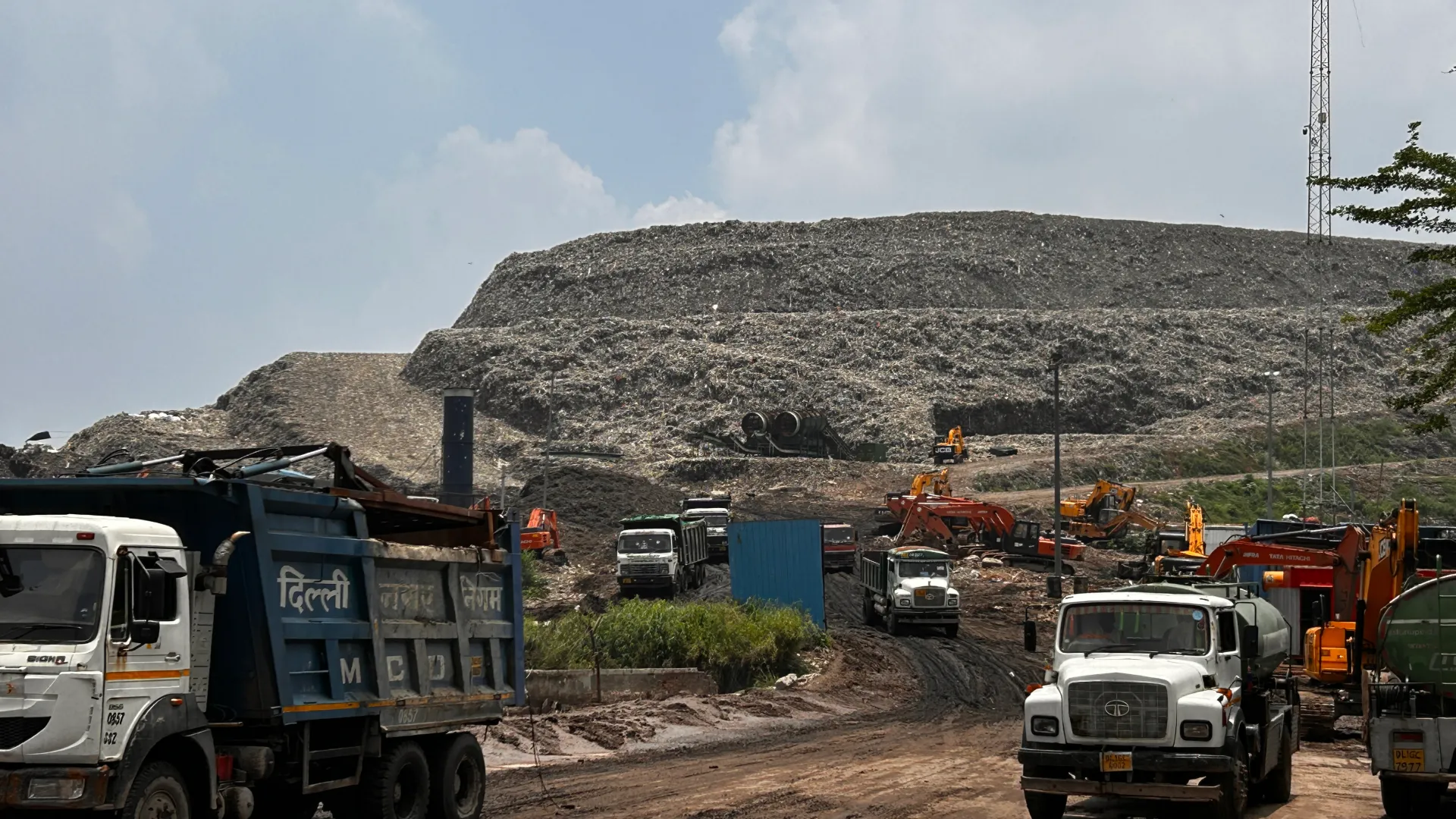
Delhi’s waste management challenge has returned to the spotlight after a high-level review at one of the capital’s largest landfill sites highlighted the continuing accumulation of fresh garbage despite ongoing remediation efforts. Authorities have now directed civic agencies to accelerate waste processing and strengthen citywide waste management systems to prevent landfills from expanding further. During a recent inspection of the Bhalswa landfill in north Delhi, senior officials assessed progress on bio-mining operations intended to clear decades of accumulated waste. The site, spread across roughly 70 acres, has been undergoing remediation for several years as part of efforts to reclaim land and reduce environmental hazards created by towering dumpsites.
According to officials involved in the review, significant volumes of legacy waste have already been processed through bio-mining technology. This method separates old garbage into recyclable materials, inert components and combustible fractions using rotating screening machinery. The approach aims to reduce the overall mass of landfill waste while recovering usable materials and freeing land for potential redevelopment. However, authorities also noted that the inflow of new garbage continues to offset the gains achieved through waste processing. Thousands of tonnes of municipal waste are still reaching the landfill daily, resulting in additional deposits even as older layers are being excavated and treated. Urban planners say this cycle reflects a structural challenge in the city’s waste management system, where landfill remediation often progresses alongside ongoing waste generation. Officials reviewing the situation emphasised that long-term success will depend on preventing new waste from reaching landfill sites in the first place. Experts argue that the most effective strategy involves stronger segregation of waste at source, enabling recyclable and organic materials to be processed through dedicated recycling and composting systems rather than being dumped together.
To support this shift, civic authorities have been asked to intensify public participation programmes involving resident welfare associations, traders and local communities. Encouraging households and businesses to separate wet and dry waste at the point of disposal can significantly improve the efficiency of downstream waste treatment facilities. The review also highlighted safety and environmental concerns associated with landfill operations, particularly during the summer months when rising temperatures increase the risk of fires triggered by methane buildup within waste piles. Officials instructed agencies to strengthen preventive measures, improve monitoring and ensure adequate safety protections for workers engaged in landfill remediation activities. Environmental analysts note that Delhi’s three major dumpsites—Bhalswa, Ghazipur and Okhla—have long symbolised the scale of the city’s waste challenge. Although bio-mining projects have been underway following environmental tribunal directives, experts say sustainable progress will require a broader transition towards circular waste management systems that prioritise recycling, composting and waste reduction.
As urban populations grow and consumption patterns evolve, cities across India are confronting similar pressures on landfill capacity. For Delhi, the ongoing push to upgrade waste management practices could determine whether landfill remediation efforts lead to lasting environmental improvements or remain a temporary solution to a rapidly growing problem.