


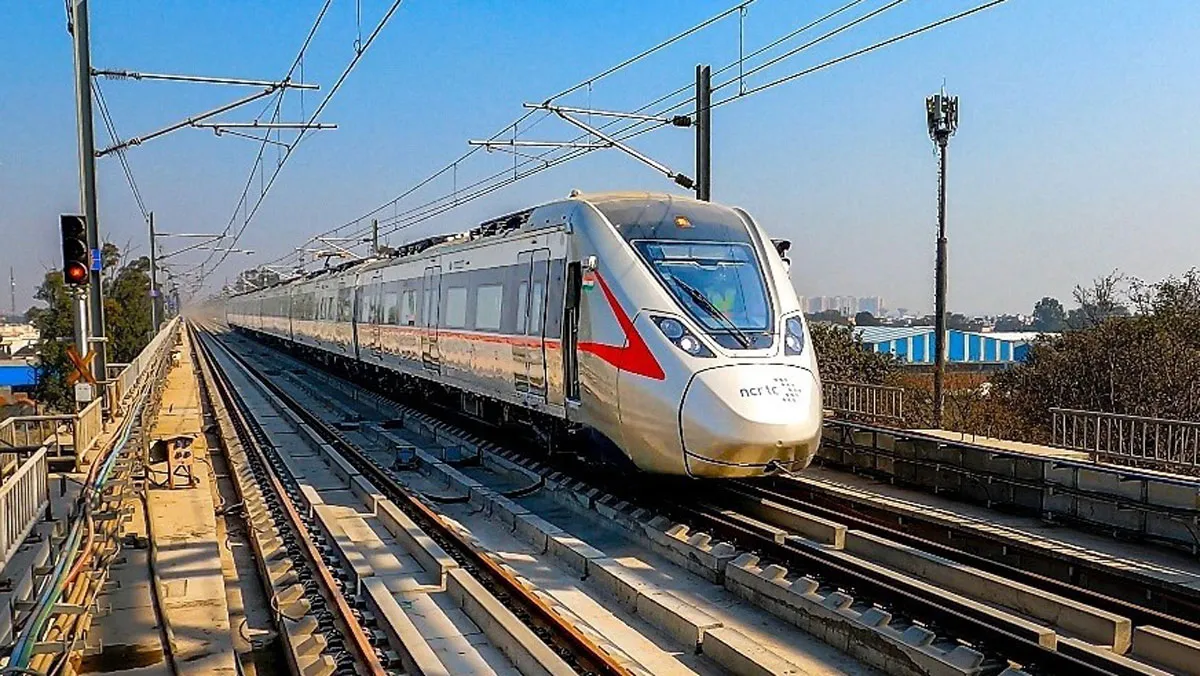
Delhi’s public transport network has reached a defining moment, with large-scale electrification of buses and sustained metro expansion reshaping how the capital moves people, labour, and economic activity. The transformation reflects a broader shift in urban infrastructure planning that prioritises clean mobility, capacity expansion, and network integration in one of the world’s most congested metropolitan regions.
The city now operates a fleet of approximately 4,000 electric buses, placing it among the largest urban zero-emission bus systems in Asia. Transport planners view this scale-up as a structural intervention rather than a pilot initiative, signalling long-term intent to reduce tailpipe emissions while improving service frequency on high-demand routes. Targets for further fleet expansion have been outlined to match rising commuter volumes and replace ageing diesel vehicles over the coming years.Parallel to surface transport upgrades, Delhi’s metro system has crossed nearly 400 kilometres of operational track across the wider National Capital Region. This extensive rail network has altered residential and commercial location choices, enabling higher-density development along transit corridors and reducing reliance on private vehicles for daily commutes. Urban economists note that metro-led accessibility has had a measurable impact on land values, office clustering, and workforce mobility across satellite cities.
Public investment has played a central role in accelerating these projects. Budgetary provisions have been earmarked for faster execution, system upgrades, and settlement of pending infrastructure liabilities. Officials involved in transport planning say this financial clarity has allowed contractors and operators to maintain construction schedules and fleet procurement timelines without disruption.Beyond buses and metro lines, attention has shifted to the often-overlooked challenge of last-mile connectivity. Policies supporting electric rickshaws, shared e-bikes, and electric taxis aim to bridge the distance between mass transit stations and neighbourhoods. Urban planners argue that without such links, high-capacity systems fail to deliver their full environmental and social benefits.
From a climate perspective, the combined impact of electric buses and metro rail is expected to lower urban transport emissions significantly over the medium term. Reduced noise pollution, improved air quality along arterial roads, and lower operating costs are additional co-benefits cited by transport experts. However, they caution that energy sourcing, depot planning, and charging infrastructure must keep pace to ensure genuine decarbonisation.For residents, the shift is already visible in shorter travel times, improved reliability, and expanded coverage in previously underserved areas. For the city, the challenge ahead lies in maintaining service quality while integrating transport planning with housing, commercial development, and pedestrian infrastructure.
As Delhi continues to grow, the durability of its mobility transition will depend not just on scale, but on how effectively clean transport systems are embedded into the everyday life of the city.
Also Read:Tamil Nadu Rail Projects Face Funding Bottlenecks
Delhi Public Transport Expansion Redefines Urban Mobility
