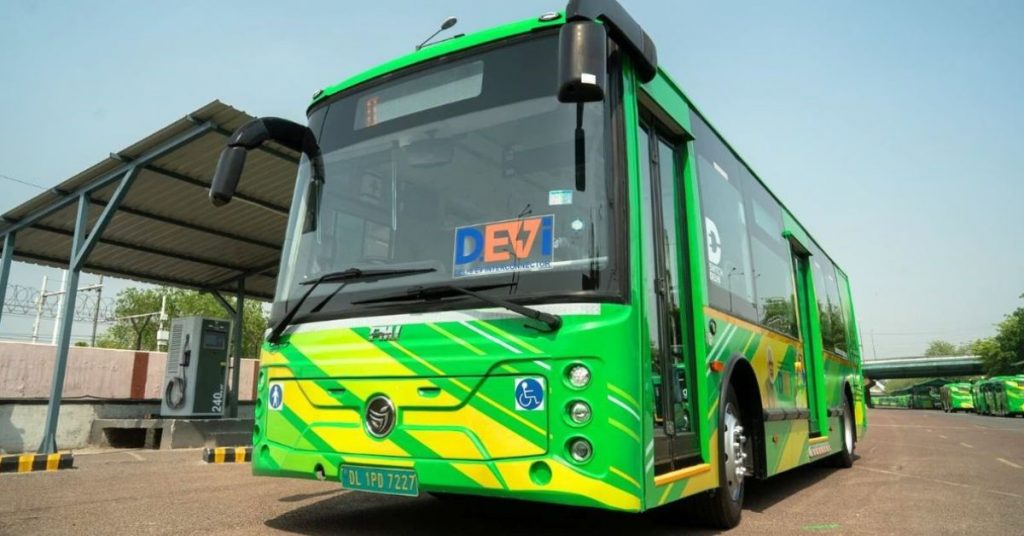
Delhi has taken another step towards reshaping its urban mobility system with the induction of 500 electric buses into the city’s public transport network, strengthening the capital’s push towards cleaner, more resilient mass transit. The expansion lifts the number of electric buses operated by the state-run transport utility to over 4,000, placing Delhi among the largest adopters of electric public transport in Asia and signalling a decisive policy shift in how Indian megacities address congestion and air quality.
The latest deployment forms part of a wider plan to scale the electric bus fleet to 7,500 vehicles by the end of 2026, while expanding the overall bus count to 14,000 by 2028. Urban transport planners say the scale and speed of induction matter as much as the technology itself. Delhi’s bus system remains the most affordable mobility option for millions of daily commuters, particularly women, students, and low-income workers who rely on predictable and accessible services across the city’s outer zones. Beyond emissions reduction, the expansion reflects a growing emphasis on service quality and safety in public transport design. The newly added electric buses are low-floor, fully air-conditioned and fitted with safety and monitoring systems, features that transport experts say are essential for improving ridership confidence and reducing dependence on private vehicles.
In a city where road-based transport contributes significantly to particulate pollution, the shift to electric buses offers measurable public health benefits, particularly in densely populated corridors. The move is also closely tied to fiscal stabilisation of the public transport operator. A recently approved financial support package of ₹1,200 crore is expected to ease long-standing operational pressures, with the bulk allocated towards employee salaries, pensions and statutory dues. Industry analysts note that sustained investment in workforce security is critical for ensuring service reliability, especially as fleet size and route coverage expand.
A portion of the funding will be channelled into intelligent traffic management systems and electric vehicle charging infrastructure, signalling a more integrated approach to urban mobility planning. Transport economists point out that electric buses deliver maximum benefits only when supported by reliable charging networks, optimised routing, and data-driven traffic control that reduces idle time and energy loss.The launch of an intercity electric bus service linking Delhi with neighbouring urban centres further underlines the regional implications of the electric bus programme. As satellite towns grow and commuting patterns stretch beyond city boundaries, cleaner intercity transport could play a role in reducing vehicular emissions across the wider National Capital Region.
For Delhi, the electric bus expansion is no longer a pilot or symbolic gesture. It marks a transition towards system-wide electrification of public transport, one that intersects climate commitments, labour stability, and inclusive access to mobility. The challenge ahead lies in maintaining service frequency, managing infrastructure readiness, and ensuring that fleet expansion translates into tangible improvements on the ground for daily commuters.
Delhi Public Transport Expands Electric Bus Network