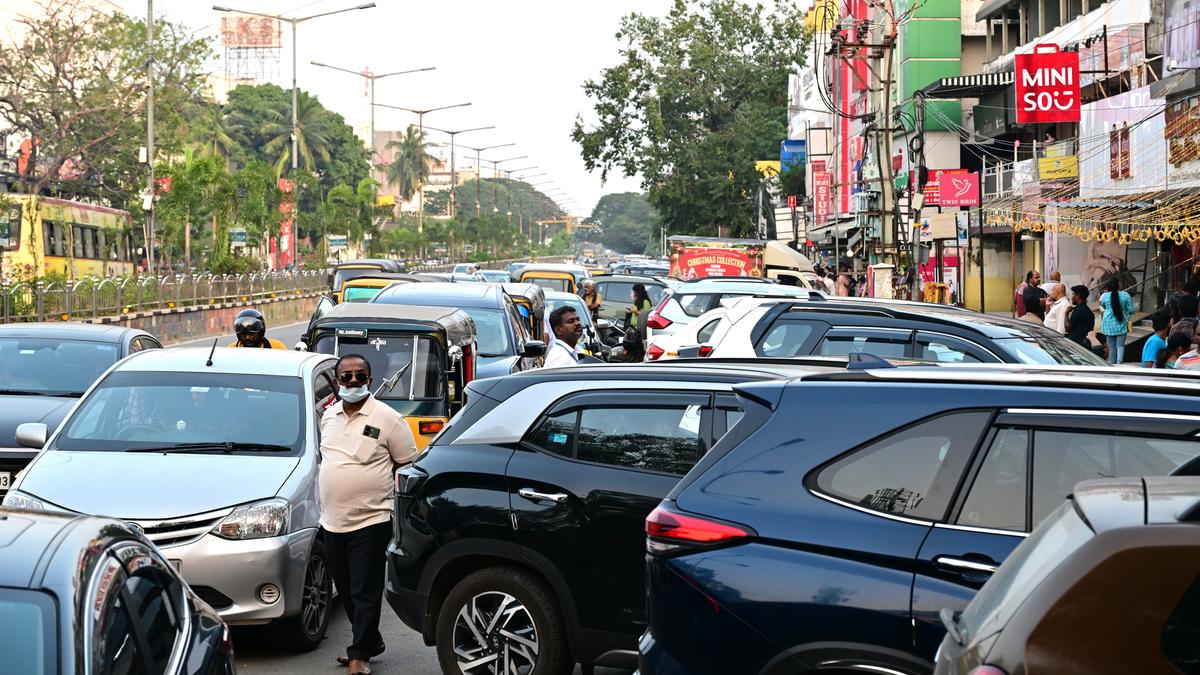
Delhi Proposes To Phase Out Surface Parking Amidst Congestion
Delhi’s civic body is considering a radical proposal to phase out all surface parking, a bold and ambitious move aimed at combating the city’s notorious congestion and promoting sustainable urban mobility. The plan, which is being prepared for submission to the Delhi government, seeks to abolish the over 300 authorised ground-level parking sites and transform how public spaces are utilised. This initiative is a critical step towards a more eco-friendly and equitable urban landscape, directly challenging the dominance of private vehicles and encouraging a long-overdue shift to cleaner transport.
For years, surface parking has been a source of urban chaos, with officials highlighting the chronic issues of haphazard vehicle placement, overcharging by private contractors, and encroachment on public walkways. Unlike multi-level or designated barrier-controlled facilities, these open-ground sites are often unmonitored, leading to a constant cycle of complaints and mismanagement. The proposal’s core premise is that public ground space, a finite and invaluable resource, should not be reserved for unregulated private vehicle storage. Instead, it should be reclaimed for the collective good, providing much-needed room for pedestrians, cyclists, and green spaces.
The financial model underpinning this transformative policy is equally progressive. To offset the revenue loss from phasing out hourly charges, the plan suggests doubling the one-time parking fee paid at the time of vehicle registration. This shift would abolish the need for repeated payments for unregulated parking, creating a more transparent and equitable system for all citizens. It’s a move that prioritises fair access to public land, rewarding those who use designated, authorised facilities while sending a clear message that street-level parking in congested areas is no longer a viable long-term solution. This policy would free up vast expanses of ground, which can be re-engineered into safe cycling lanes, wider footpaths, and micro-parks, directly contributing to a zero-net-carbon urban environment.
Beyond the environmental benefits, the proposal holds significant social implications for creating a more inclusive and gender-neutral city. Unregulated and often poorly lit surface parking areas can be perceived as unsafe, particularly for women and other vulnerable groups. By redirecting vehicles to secure, well-managed, and professionally operated multi-level facilities, the city can enhance public safety. Furthermore, by making walking and cycling more feasible and pleasant, the policy supports a more equitable transportation ecosystem that benefits citizens who do not own private vehicles.
While the move may present initial challenges, including potential public resistance and a period of adaptation, it forces a necessary conversation about the true cost of Delhi’s private vehicle dependency. With the number of vehicles in the capital already exceeding that of Mumbai, Kolkata, and Chennai combined, experts believe that any solution short of a fundamental shift in mobility will fail. This proposal, therefore, is not a simple administrative change but a courageous first step towards a sustainable, people-centric future. Its implementation would signal Delhi’s commitment to building a city that prioritises clean air, safety, and a better quality of life for all its residents.