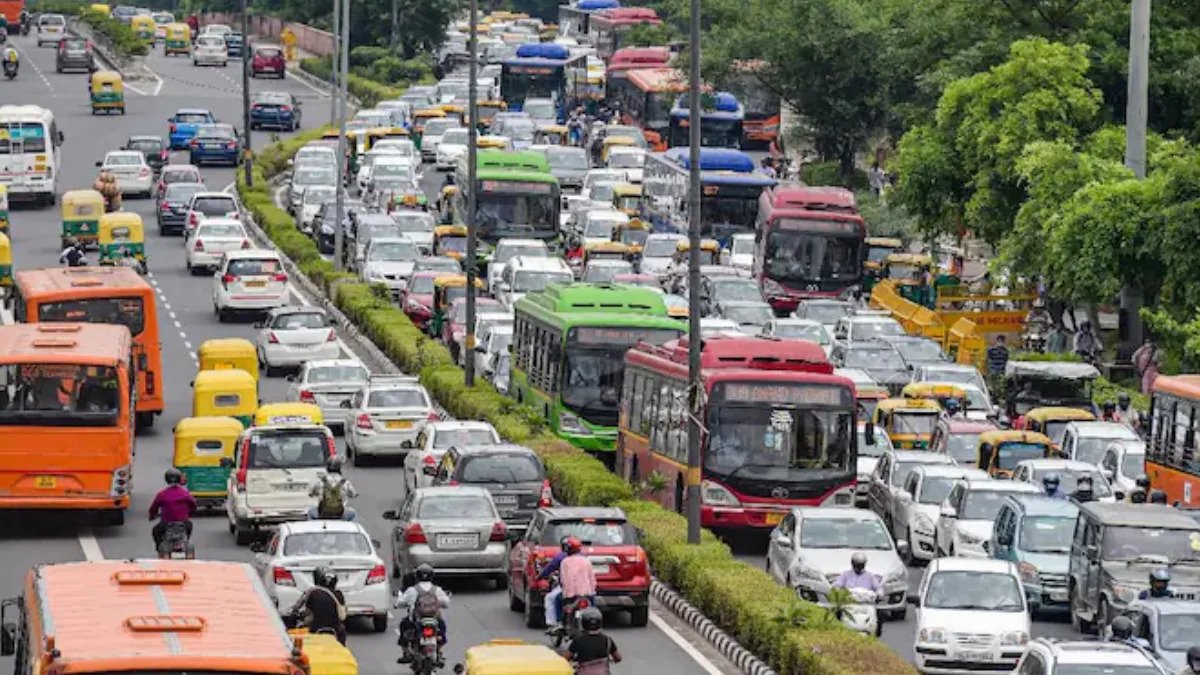
Delhi’s traffic management authorities have initiated a community-linked mobility programme in Dwarka, aiming to address long-standing congestion challenges through coordinated action between residents, civic agencies and enforcement authorities. The initiative, called Project Sangam, introduces a participatory governance model where citizens contribute directly to identifying local mobility problems and shaping practical solutions. Dwarka, one of the capital’s largest planned residential districts, has witnessed a sharp rise in traffic volumes in recent years. Rapid urbanisation, expanding residential sectors and increasing commercial activity have placed pressure on road networks originally designed for lower vehicle density. Officials overseeing traffic planning say the Project Sangam initiative is intended to move beyond reactive enforcement and instead develop sustained collaboration with local communities.
A recent consultation session brought together traffic police representatives, municipal officials and members of several resident welfare associations. Participants highlighted recurring challenges such as roadside parking congestion, unsafe pedestrian crossings and bottlenecks near local markets and metro access routes. Senior citizens and long-term residents were also among those sharing feedback on mobility barriers that affect daily commuting. Transport planners say incorporating community input into urban traffic management can improve the effectiveness of interventions. Local residents often possess detailed knowledge of peak congestion points and informal parking practices that may not always appear in official traffic assessments. The Project Sangam framework therefore seeks to convert such ground-level insights into actionable planning measures. Alongside citizen engagement, infrastructure improvements are being considered to ease pressure on key intersections. Planning authorities have proposed a set of new traffic design interventions, including multiple free left-turn movements at selected junctions across the Dwarka sub-city. These modifications are expected to improve vehicle circulation and reduce waiting times at traffic signals.
Pedestrian infrastructure is also being strengthened as part of the broader mobility strategy. Several foot overbridges are under development at busy crossing points connecting residential sectors, local markets and transport corridors. Urban mobility experts say grade-separated pedestrian facilities can improve road safety while allowing uninterrupted vehicular flow on heavily used arterial roads. Technology is also being integrated into the initiative. Residents have been encouraged to report traffic violations or problem areas using a digital monitoring platform that connects directly with enforcement teams. Authorities believe increased citizen reporting can improve response times and strengthen traffic discipline in neighbourhood-level streets. Urban policy specialists note that congestion management in rapidly growing residential districts requires a combination of physical infrastructure upgrades and behavioural change. Encouraging residents to participate in governance processes can foster greater compliance with traffic rules and help build long-term accountability in urban mobility systems. The Project Sangam programme is expected to be reviewed periodically through follow-up meetings with community representatives and local agencies. Authorities indicate that recommendations emerging from these consultations will be prioritised based on feasibility and coordination with civic infrastructure departments.
As Delhi continues to expand, neighbourhood-level mobility initiatives such as Project Sangam may become increasingly important in managing traffic pressures while supporting safer, more walkable urban environments. Integrating citizen feedback with infrastructure planning could also contribute to building more responsive and sustainable transport systems in densely populated city districts.