


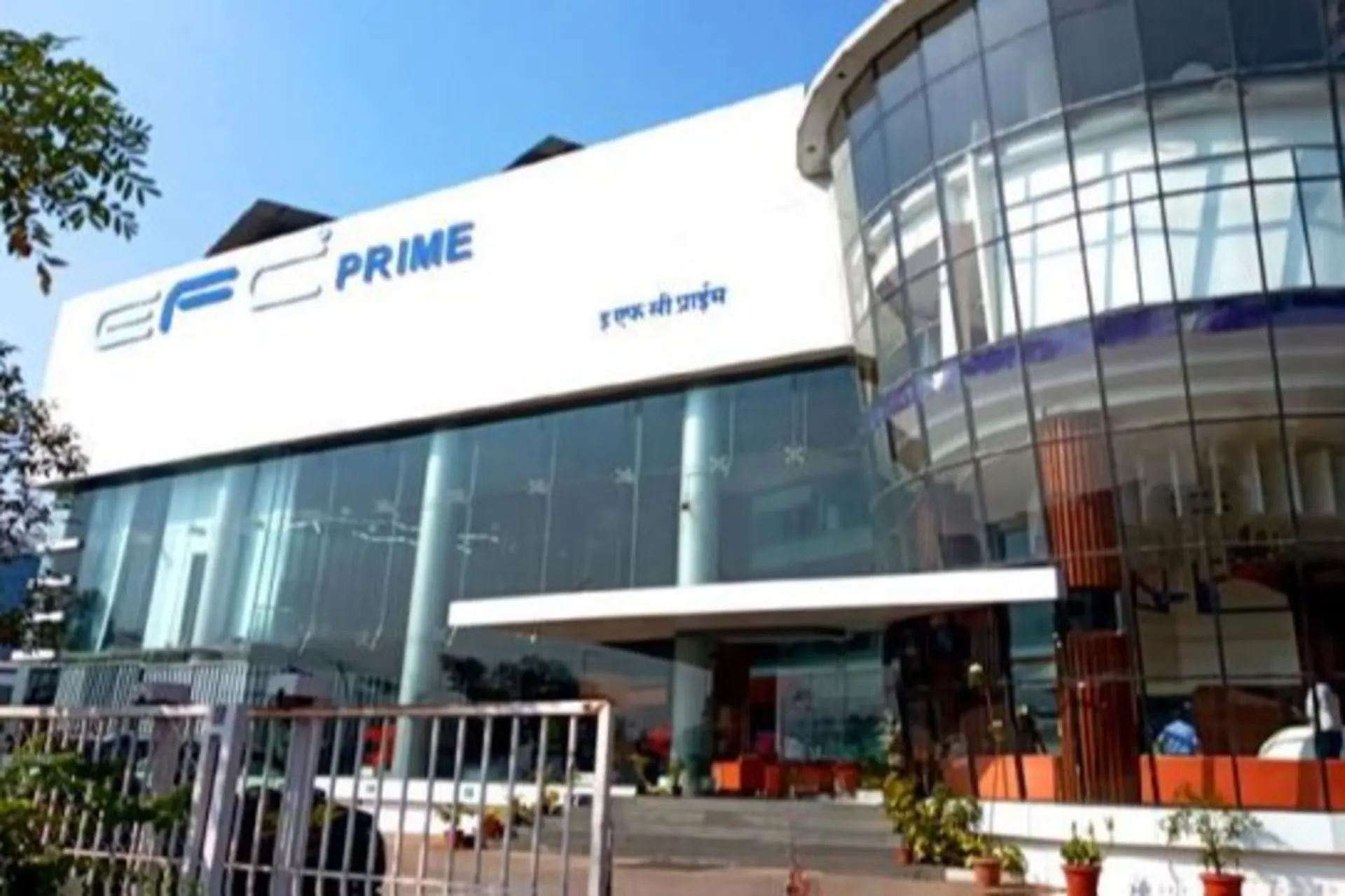
Delhi’s institutional commercial real estate market has received a significant vote of confidence with Prime Offices Fund completing its maiden acquisition, purchasing a Grade A office asset in the capital’s Saket District Centre for approximately Rs 750 crore. The transaction highlights renewed investor appetite for stabilised, income-generating workplaces in well-connected urban locations, even as cities rethink how office assets contribute to economic resilience and sustainable growth.
The acquired property is a premium office building spanning roughly 0.3 million sq ft and is currently leased to multiple tenants, with occupancy levels close to full. Industry executives familiar with the transaction said the asset’s high leasing profile and central location were key factors behind the acquisition, positioning it as a steady yield generator amid evolving workplace patterns. The fund is managed through a joint platform between a domestic asset manager and a global real estate advisory firm, reflecting the growing institutionalisation of India’s commercial property market. Market analysts note that such partnerships are increasingly focused on assets that meet environmental benchmarks, operational efficiency standards and long-term tenant demand rather than speculative development. The building had previously changed hands through India’s insolvency resolution framework in 2021, after which it underwent extensive upgrades. These improvements brought the property in line with institutional leasing requirements, including energy-efficient systems, modern safety norms and enhanced workplace design. Urban planners say such asset rehabilitation is a critical component of sustainable city development, as it reduces the need for fresh construction while extending the life of existing structures.
An investment executive associated with the acquisition said the fund’s strategy is centred on building a diversified portfolio of Grade A offices across India’s leading commercial hubs. “Stable income, high governance standards and sustainable operations are now non-negotiable for institutional investors,” the executive noted, adding that demand for quality office space remains resilient despite hybrid work models. The seller, a fund backed by an alternative asset manager, described the exit as validation of a long-term asset management approach that prioritised sustainability-led upgrades and tenant quality. Industry experts point out that such exits are becoming more common as early movers recycle capital into new opportunities, helping deepen India’s commercial real estate ecosystem. For Delhi, the transaction reinforces the continued relevance of well-planned office districts within the urban fabric. As cities grapple with congestion, emissions and equitable access to jobs, centrally located commercial assets that minimise commute distances and support mixed-use development are gaining policy and investor support.
The deal also reflects a broader trend of patient capital returning to Indian offices, signalling confidence not just in rental growth but in the role commercial real estate plays in shaping inclusive, efficient and future-ready cities.
Also Read: Mumbai Keystone Realtors To Launch Rs 3000 Crore Super Luxury Housing Project Next Month
