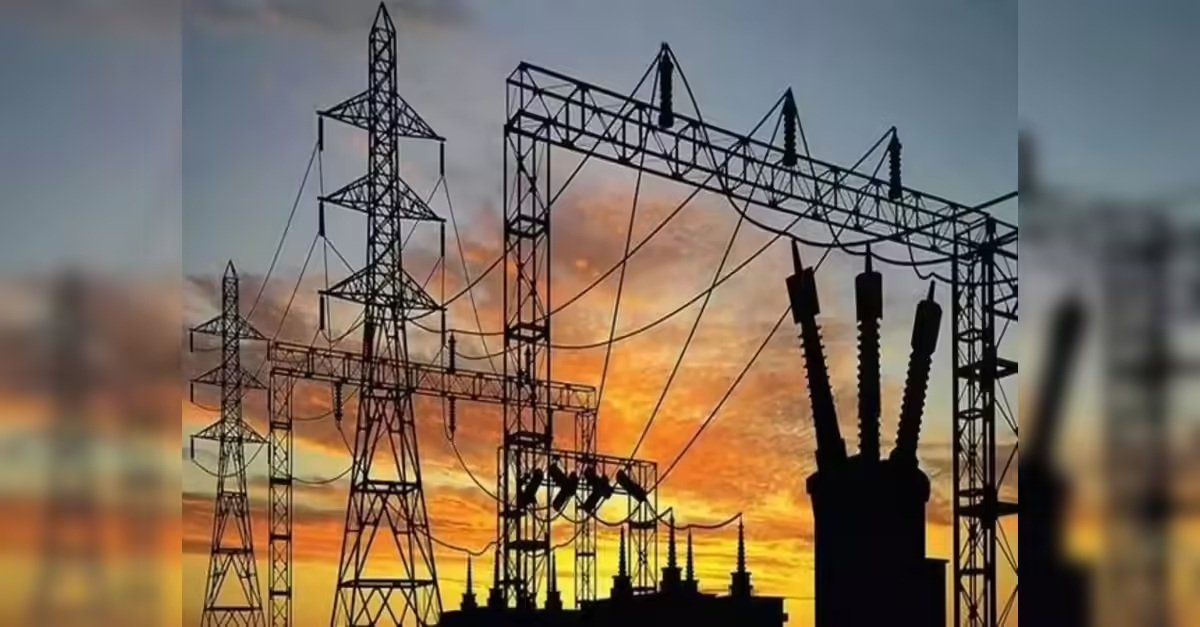
Delhi’s electricity network is preparing for what could become the highest Delhi power demand ever recorded, with authorities projecting peak consumption may cross 9,000 megawatts during the coming summer months. The anticipated surge reflects rising temperatures, expanding urban development and increasing reliance on cooling appliances across the capital. Energy officials monitoring the city’s supply systems say the projected Delhi power demand will test both generation availability and distribution infrastructure. The government has begun mapping infrastructure gaps across constituencies to prioritise upgrades such as additional transformers, enhanced substation capacity and improved circuit protection systems.
According to officials overseeing the power sector, the capital’s electricity grid must evolve rapidly to match population growth, increasing household consumption and expanding commercial activity. Large residential clusters, office districts and transport infrastructure are placing greater pressure on the distribution network, particularly during peak afternoon hours when air conditioning use is highest. Electricity distribution companies serving different parts of the city have also begun seasonal preparedness measures. These utilities are securing additional supply through bilateral agreements with power producers while participating in national electricity exchanges to procure short-term energy during demand spikes. Such mechanisms allow utilities to balance demand fluctuations without disrupting supply to consumers. Energy analysts note that Delhi’s Delhi power demand pattern has been steadily climbing over the past decade as urbanisation intensifies and climate conditions grow more extreme. Longer and hotter summers are increasing cooling requirements across residential buildings, hospitals, commercial complexes and public infrastructure.
At the same time, planners emphasise that strengthening distribution networks remains critical to preventing outages during extreme weather conditions. Investments in grid automation, high-capacity transformers and modern circuit breakers are often necessary to manage sudden surges in electricity consumption. Urban development experts say reliable electricity supply is fundamental to the functioning of large metropolitan economies. From metro rail systems and hospitals to residential high-rise communities and data infrastructure, the city’s daily operations depend heavily on stable power availability. The government is now preparing a longer-term infrastructure roadmap aimed at modernising the capital’s power grid over the next several years. The plan focuses on expanding network resilience, improving load management and integrating future energy requirements linked to electric mobility and digital infrastructure. Energy planners also point out that future electricity strategies will increasingly need to balance demand growth with sustainability goals. Renewable energy integration, rooftop solar expansion and energy-efficient building design are expected to play an important role in moderating long-term demand.
For residents and businesses, the immediate focus remains the coming summer season, when the Delhi power demand curve typically peaks. Authorities believe that coordinated planning between utilities, grid operators and policymakers will be crucial to maintaining uninterrupted supply during the months when electricity use is at its highest.