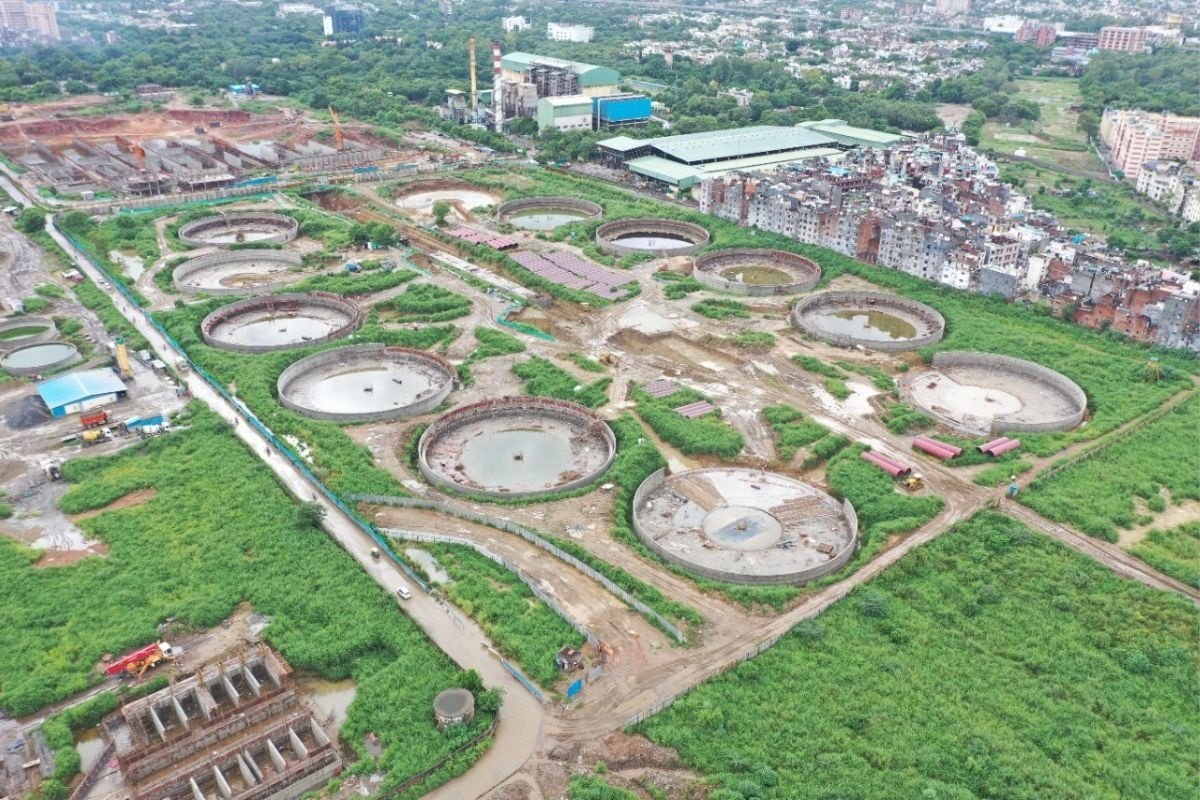
Regulators in Delhi have initiated an administrative takeover of the Okhla Common Effluent Treatment Plant, signalling a tougher stance on industrial wastewater compliance as concerns grow over pollution entering urban drainage systems and ultimately the Yamuna river basin. The directive, issued by the city’s pollution control authority, requires the government’s industries department to assume operational control of the facility within a defined timeframe. The move follows a recent inspection that identified operational gaps and raised questions about the plant’s ability to consistently meet environmental standards. Authorities have also initiated recovery proceedings for pending environmental compensation linked to earlier compliance failures.
Common Effluent Treatment Plants, or CETPs, are designed to process wastewater generated by clusters of small and medium industrial units that lack individual treatment systems. In a dense and industrially active city like Delhi, these facilities are critical to preventing untreated discharge from entering open drains and water bodies. Any breakdown in their functioning can have cascading effects on urban ecosystems and public health. The decision to step in administratively reflects a broader concern among regulators about the reliability of decentralised plant management models. Industry-led societies have historically managed these facilities, but recurring maintenance issues, uneven technical capacity and financial constraints have led to periodic lapses. Urban infrastructure experts note that without robust oversight and accountability, such systems struggle to maintain consistent treatment efficiency. An on-ground review of the Okhla plant reportedly highlighted multiple deficiencies, including clogged screening systems, ineffective sludge handling and underperforming filtration units.
These issues can compromise the treatment process, allowing partially treated or untreated effluents to bypass safeguards. While final conclusions depend on laboratory analysis of collected samples, the identified gaps point to systemic maintenance and monitoring challenges. Environmental planners emphasise that such interventions are essential not only for regulatory enforcement but also for advancing long-term urban sustainability goals. Effective wastewater treatment is central to reducing river pollution, enabling water reuse and supporting climate-resilient urban systems. In cities facing water stress, poorly functioning treatment infrastructure represents both an environmental and economic loss. The recovery of environmental compensation further underscores a shift towards stricter enforcement mechanisms. Financial penalties are increasingly being used to ensure compliance and incentivise timely upgrades in ageing infrastructure. However, experts caution that enforcement alone may not be sufficient without parallel investments in modernisation, skilled workforce development and technology integration.
The takeover is expected to be followed by additional inspections and corrective measures aimed at restoring operational stability. As Delhi continues to grapple with pollution challenges across air, water and waste streams, the performance of facilities like the Okhla CETP will remain central to its broader environmental management strategy.