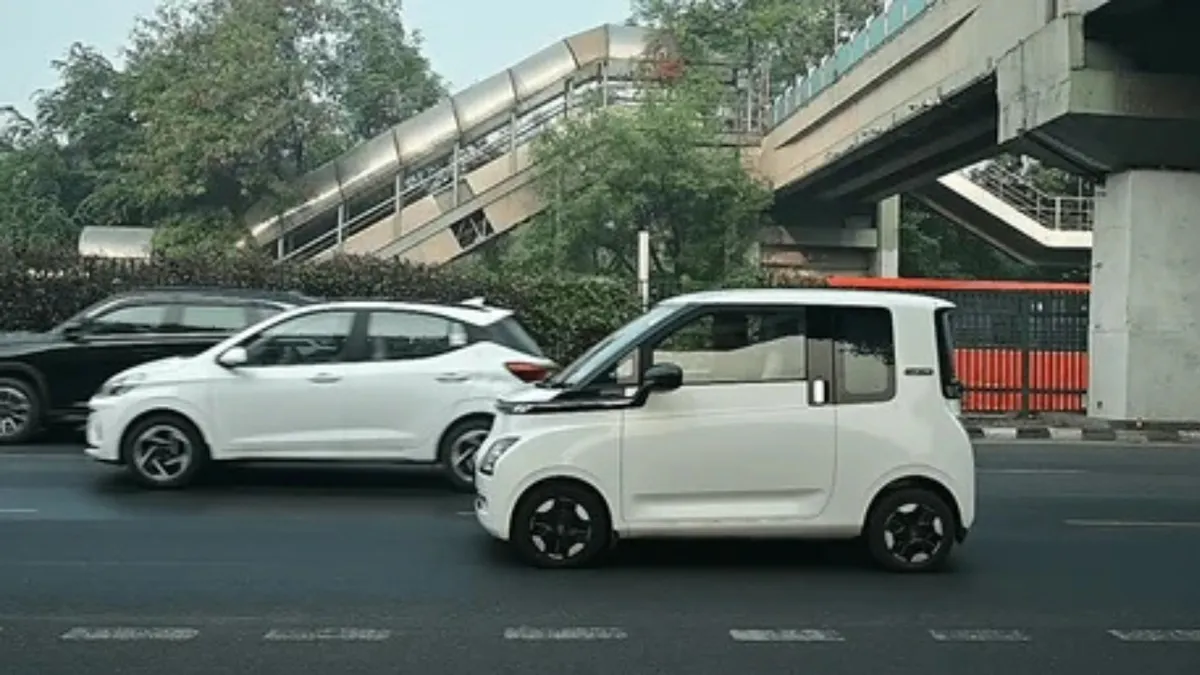
Delhi has unveiled a sweeping update to its electric mobility framework that could significantly alter how India’s largest cities approach everyday transport, affordability, and emissions reduction. The draft Electric Vehicle Policy 2.0 outlines a sharp pivot away from internal combustion engines, setting firm timelines to phase out petrol, diesel and CNG two-wheelers while accelerating adoption of electric alternatives across private, commercial and public transport. For a city grappling with air pollution and rising congestion, the policy represents a structural intervention rather than a marginal incentive scheme.
At its core, the Delhi EV Policy prioritises demand creation within dense urban areas. Proposed measures include targeted purchase incentives for electric two-wheelers, particularly aimed at women riders, alongside a gradual ban on new fossil-fuel-powered two-wheelers and auto-rickshaws over the next two years. Urban transport planners view this as an acknowledgement that two- and three-wheelers dominate daily mobility in Indian cities and therefore offer the fastest route to emissions reduction and cost savings for households.
The policy also introduces a notable experiment in retrofitting. Instead of focusing solely on new vehicle sales, Delhi plans to incentivise conversion of existing petrol and diesel vehicles to electric drivetrains. Industry experts say this approach recognises economic realities in cities where vehicle replacement cycles are long and upfront costs remain a barrier. If implemented effectively, retrofitting could reduce waste, lower lifecycle emissions, and make electric mobility accessible beyond early adopters. Public transport electrification remains another pillar. The capital’s transport utility is working towards a fully electric bus fleet by the end of the decade, with thousands of e-buses already planned for deployment. In parallel, electric three-wheelers and e-rickshaws are being positioned as replacements for CNG vehicles, particularly in last-mile and feeder routes. For drivers, the transition offers lower operating costs, though concerns persist around charging access during peak working hours in crowded commercial districts.
From a market perspective, Delhi’s strategy differs from other states that have focused on manufacturing incentives or technology incubation. Analysts note that the capital’s policy is deliberately consumer-facing, designed to influence everyday purchase decisions and shift behaviour quickly in a high-density urban setting. This clarity helps EV manufacturers, charging operators and battery suppliers prioritise investments, particularly in neighbourhood-level charging infrastructure.
However, challenges remain. Despite steady growth in EV registrations, awareness of total cost of ownership, financing options and subsidy processes remains uneven. Urban economists warn that without simple digital systems and local outreach, incentives may fail to reach informal workers and small operators who stand to benefit most.
Longer-term sustainability is another unresolved question. Retrofitting and rapid battery deployment raise concerns around recycling, reuse and end-of-life management. Environmental specialists argue that without robust producer responsibility frameworks and investment in battery recovery infrastructure, cities risk shifting pollution from streets to waste streams. As Delhi moves to formalise its EV Policy, its real test will lie in execution. If charging access, financing and battery governance keep pace with adoption targets, the capital could offer a scalable model for climate-resilient, people-first urban mobility. If not, the transition may deepen existing inequalities in how cities move.
Delhi Policy Signals Shift In Electric Transport Adoption