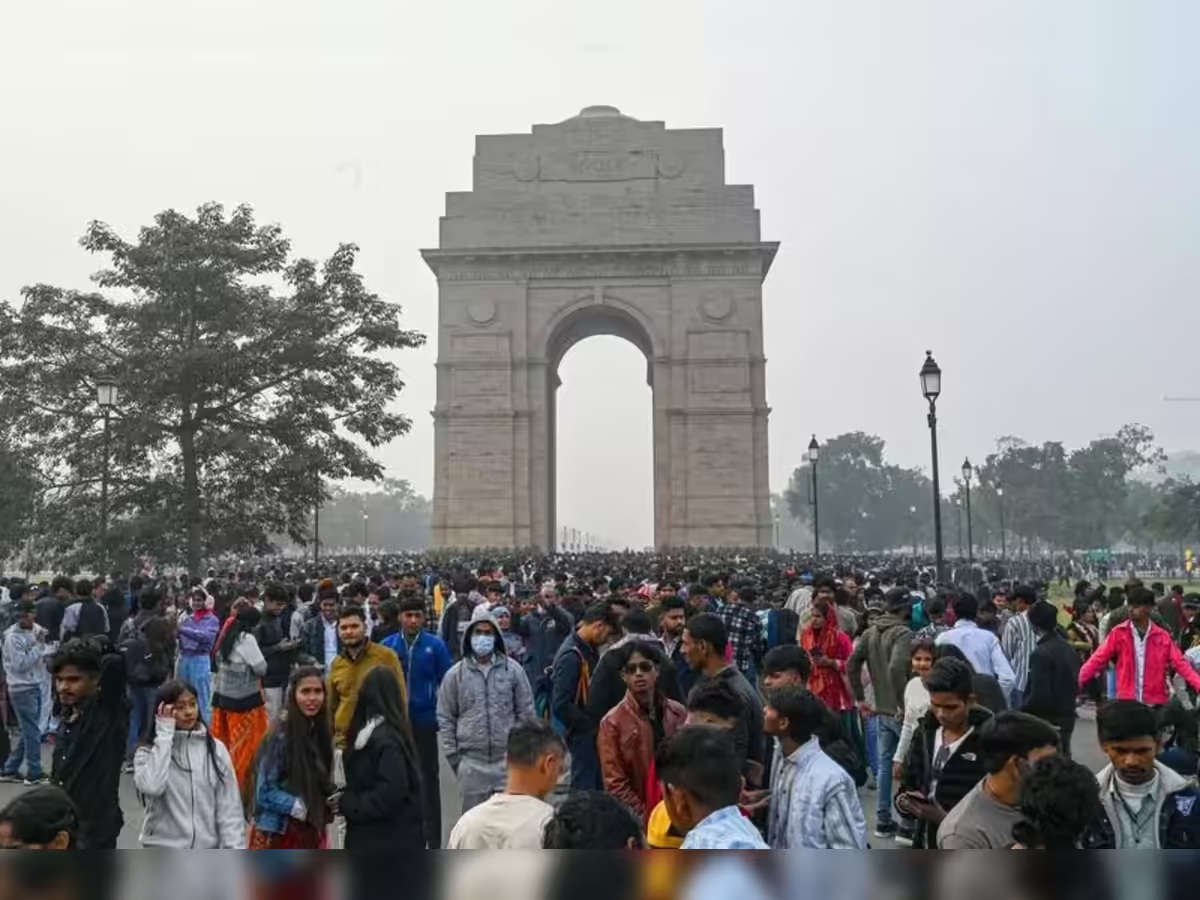
Delhi Plans Tourism Board To Coordinate Visitor Economy
The national capital is considering the creation of a Delhi Tourism Board as part of its upcoming financial plan for 2026–27, a move aimed at strengthening coordination across tourism, heritage and urban development agencies. Officials familiar with the proposal say the initiative seeks to transform how the city manages tourism planning, while encouraging visitors to spend more time exploring cultural and historical assets across the capital. If approved, the Delhi Tourism Board would function as a central platform bringing together multiple departments responsible for heritage conservation, cultural programming, infrastructure and visitor services. Urban policy observers note that tourism in large cities often involves several agencies working independently, which can slow project execution and create fragmented visitor experiences.
The proposal reflects a broader policy attempt to reposition the capital’s tourism economy. Despite hosting some of the country’s most prominent historic landmarks, museums and cultural institutions, the city has long been viewed primarily as a transit stop for travellers heading to other destinations. Tourism planners believe a coordinated institutional framework could help extend visitor stays and diversify tourism activity beyond a few well-known attractions. Officials involved in early discussions indicate that the Delhi Tourism Board may prioritise the development of curated tourism circuits linking heritage sites, markets, cultural districts and urban green spaces. Such thematic circuits could encourage travellers to explore neighbourhoods beyond traditional tourist zones while supporting local businesses, craft clusters and hospitality services. Urban economists say the visitor economy is increasingly tied to city competitiveness. Tourism generates employment across sectors including hotels, food services, transport and cultural industries. A stronger governance structure could help align tourism initiatives with urban infrastructure investments such as improved pedestrian corridors, public transport connectivity and heritage conservation projects.
Another potential area of focus for the Delhi Tourism Board is the simplification of administrative procedures linked to tourism activities. Industry representatives have often highlighted complex approval processes for film production, events and cultural festivals. A centralised authority could streamline permissions, reducing delays while maintaining regulatory oversight. Experts also point out that modern tourism strategies are increasingly connected to sustainable urban development. Well-managed tourism can support conservation of historic precincts, improve public spaces and promote environmentally responsible travel practices. For cities facing growing environmental pressures, tourism planning that prioritises walkability, public transport access and heritage protection can contribute to more resilient urban environments. Policy planners say the Delhi Tourism Board may also collaborate with civic agencies to improve visitor infrastructure, including signage, digital information systems and public amenities around key destinations. Enhancing such infrastructure is considered essential for attracting international travellers and improving overall visitor satisfaction. The proposal is expected to feature in the city’s forthcoming budget presentation, where officials may outline broader plans to strengthen tourism infrastructure and cultural programming. Industry stakeholders will be watching closely to see how governance changes translate into on-ground improvements.
For the capital, the challenge will lie in balancing tourism growth with the preservation of heritage neighbourhoods and everyday urban life. If implemented carefully, the Delhi Tourism Board could become a mechanism to coordinate development while ensuring that tourism contributes to local economic opportunity, cultural preservation and a more inclusive urban experience.