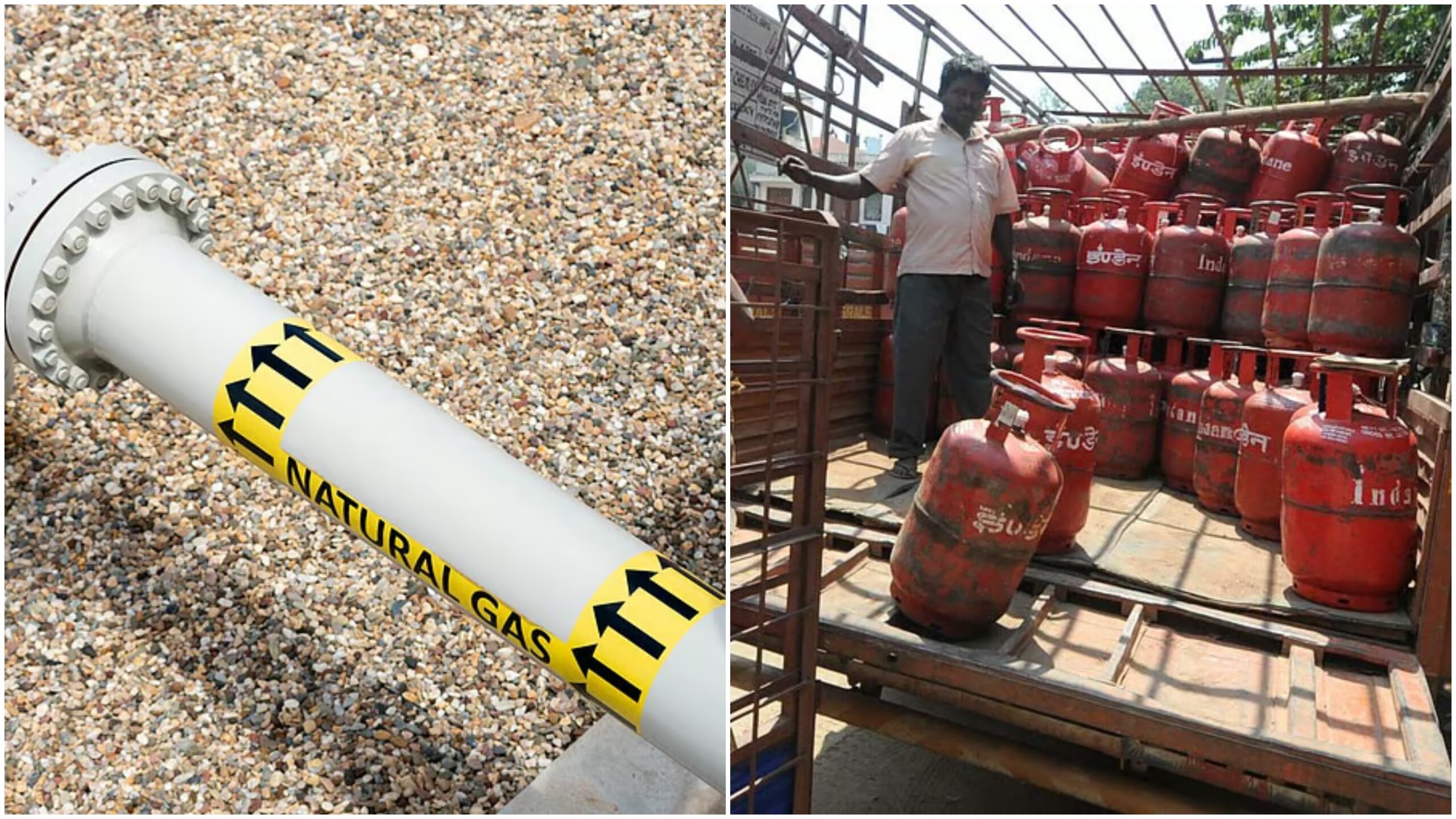
Delhi authorities have launched a push to rapidly expand piped natural gas access across the capital, directing officials to roll out the remaining four lakh PNG connections available under the city’s current infrastructure capacity. The move is intended to accelerate the transition from cylinder-based cooking fuel to pipeline-based supply, a shift that urban planners say could improve energy security, reduce logistical pressure and support cleaner urban energy systems. Officials overseeing urban development and city gas distribution recently reviewed the status of household connections and infrastructure readiness. Delhi’s pipeline network currently has the capacity to serve roughly 18 lakh homes, with around 14 lakh connections already operational. The remaining capacity is now being prioritised for allocation in order to maximise the use of existing gas infrastructure.
The expansion plan includes targeted outreach in neighbourhoods where pipeline networks are already laid but adoption remains limited. Authorities have instructed implementing agencies to conduct door-to-door campaigns encouraging households to switch to piped natural gas. Urban policy experts note that behavioural awareness campaigns often play a critical role in energy transitions, particularly in dense residential areas where legacy cooking systems remain widely used. Special focus will also be placed on unauthorised settlements and peripheral areas where energy access gaps persist. Officials indicate that awareness programmes and outreach drives will aim to familiarise residents with the operational and safety aspects of piped gas, as well as its potential cost and convenience advantages over traditional cylinders. Beyond households, the expansion drive also includes institutional and community facilities. Kitchens linked to welfare programmes, including community canteens, night shelters and school meal initiatives, are expected to be prioritised for pipeline connections. Officials say replacing cylinder-based supply in these settings could improve safety standards and reduce recurring fuel logistics.
Commercial establishments are another focus area. Restaurants, hospitality outlets and religious institutions—many of which rely heavily on bulk cooking fuel—are expected to gradually transition to piped natural gas where pipeline infrastructure is available. In areas where cylinder use continues due to missing pipeline links, authorities have directed agencies to accelerate the installation of new gas lines. Energy analysts point out that broader adoption of piped natural gas aligns with efforts to improve urban air quality and reduce dependency on fuel transportation networks that contribute to congestion and emissions. While natural gas remains a fossil fuel, it is generally considered a relatively cleaner alternative to several other conventional cooking fuels commonly used in cities. From an infrastructure perspective, expanding PNG connections also supports the long-term viability of city gas distribution networks. Higher utilisation of pipeline systems can improve operational efficiency and help justify continued investments in urban energy infrastructure.
As Delhi continues to grow and urban housing density increases, integrating stable and cleaner energy systems into residential and commercial spaces is likely to remain a key policy focus. The success of the current PNG connections expansion will depend not only on infrastructure readiness but also on public adoption and coordinated implementation across agencies.