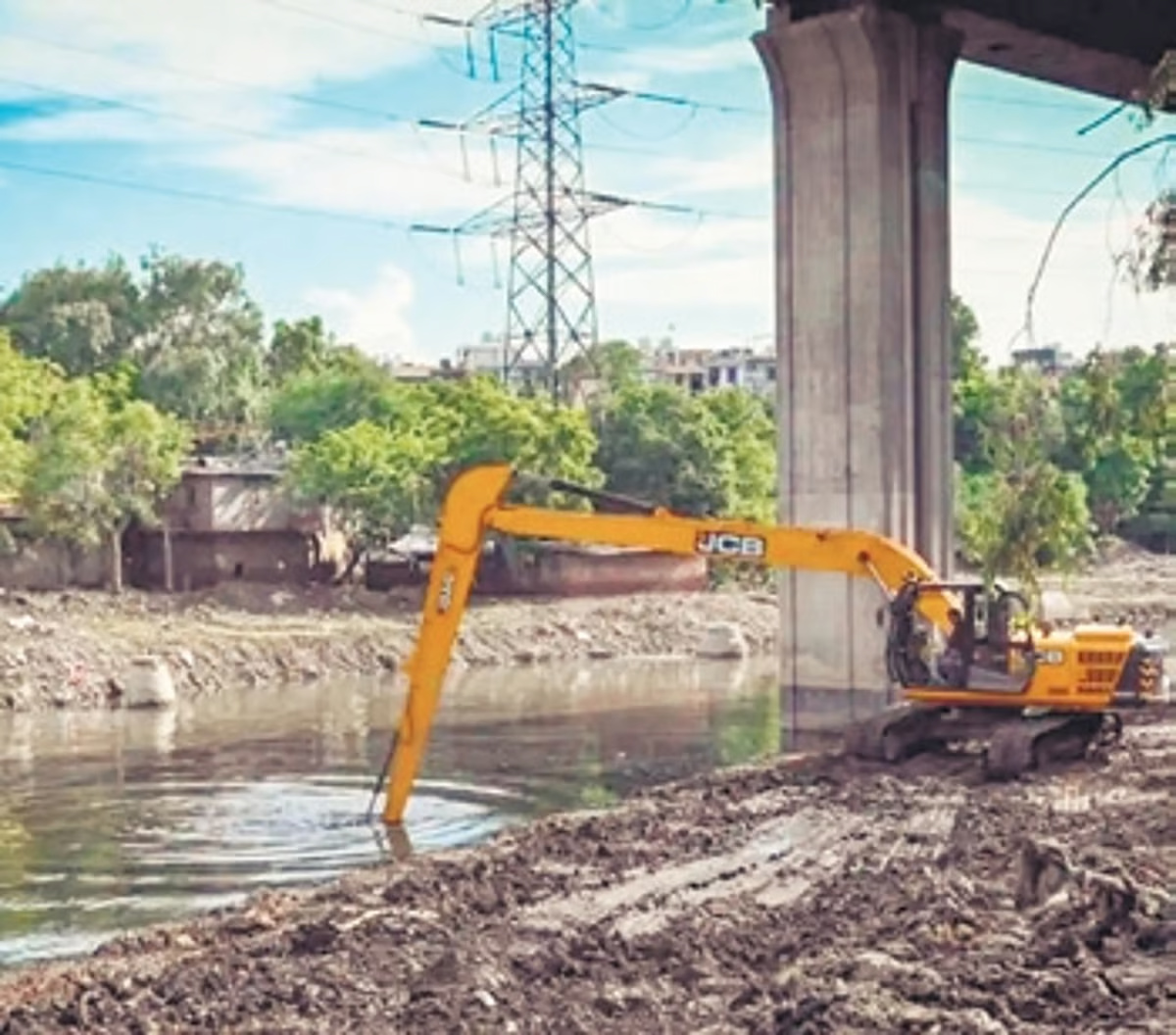
NEW DELHI — The Delhi government is preparing a large-scale overhaul of approximately 300 kilometres of the capital’s stormwater drainage network, a move aimed at tackling chronic waterlogging and strengthening climate resilience in one of India’s most densely built urban regions.
The proposed upgrade will form part of the first phase of the city’s broader Drainage Master Plan, which seeks to modernise ageing infrastructure and improve flood management across Delhi’s major drainage basins. Officials involved in the project say the revamp will focus on remodelling key stormwater channels, strengthening embankments and improving the capacity of drains that carry runoff during heavy rainfall events. Many parts of Delhi still rely on drainage systems designed decades ago, when population density and built-up surfaces were significantly lower. Rapid urbanisation and expanding paved areas have since increased surface runoff, making the existing network insufficient to handle peak monsoon flows. Urban planners emphasise that drainage infrastructure is a critical but often overlooked component of city resilience. In Delhi, waterlogging frequently disrupts traffic and public transport, damages roads and buildings, and creates public health risks during the monsoon season.
Strengthening the stormwater network is therefore viewed not only as a flood-control measure but also as a vital intervention for urban mobility and economic continuity. The 300-kilometre remodelling initiative is being positioned as an early step within a much larger infrastructure roadmap. Delhi’s Drainage Master Plan estimates that more than 18,000 kilometres of drains across multiple agencies ultimately require improvement, underscoring the scale of the challenge facing the city’s urban water management system. The plan identifies three major drainage basins — Najafgarh, Barapullah and Trans-Yamuna — as critical zones where upgrades can significantly reduce flood risk. These basins collect stormwater from large portions of the city before discharging it into the Yamuna River. Enhancing the capacity and efficiency of these channels is expected to cut flooding incidents and improve drainage efficiency during intense rainfall events.
Recent flooding episodes have exposed weaknesses in the city’s drainage system. Heavy monsoon rains and rising Yamuna levels have periodically inundated low-lying neighbourhoods, forcing evacuations and disrupting city operations. Infrastructure experts say that climate change — which is expected to increase rainfall intensity in many Indian cities — makes such upgrades even more urgent. Engineering interventions proposed under the revamp include widening drain sections, removing accumulated silt, strengthening retaining walls and installing improved outfall systems to ensure faster discharge into larger water channels. Some projects will also integrate pedestrian infrastructure, utility relocation and landscaping along drain corridors, aligning infrastructure upgrades with broader urban design improvements.
However, specialists caution that physical upgrades alone may not resolve drainage problems unless they are accompanied by better governance and maintenance practices. Delhi’s drainage network is managed by multiple agencies, including municipal bodies, the Public Works Department and irrigation authorities. Effective coordination between these institutions will be essential to ensure that improvements in one segment are not undermined by bottlenecks elsewhere. Urban resilience researchers also stress the importance of combining engineering solutions with nature-based approaches. Rainwater harvesting systems, urban wetlands and permeable surfaces can reduce runoff pressure on drains while improving groundwater recharge and ecological health.
As the 300-kilometre drainage revamp moves toward implementation, it represents an important test of how Indian megacities adapt their infrastructure to changing climate realities. For Delhi, where seasonal flooding can paralyse critical transport corridors and neighbourhoods, modernising the stormwater system could significantly improve both urban resilience and everyday quality of life.