Delhi Plans Major Water Sewage Infrastructure Upgrade
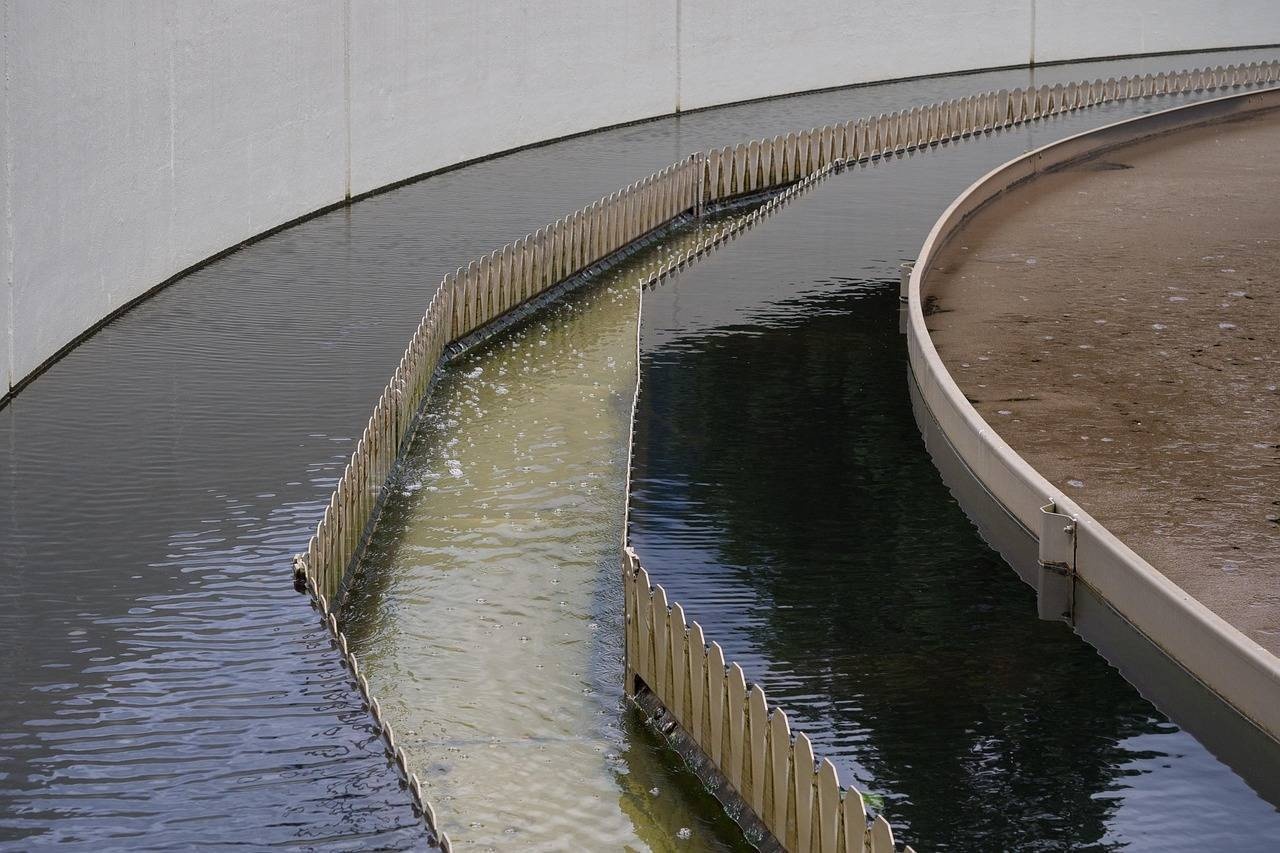
Delhi has announced a major infrastructure investment aimed at strengthening its urban water and sanitation systems, allocating around ₹9,000 crore for new projects and upgrades across the capital. The move comes as authorities attempt to address mounting pressure on ageing networks while preparing for long-term population growth and environmental challenges in one of the country’s fastest expanding metropolitan regions. Officials involved in the planning process say the Delhi water sewage infrastructure upgrade will prioritise improvements in both supply and wastewater management. The programme focuses on expanding storage capacity, modernising treatment facilities, and reinforcing distribution systems to ensure more consistent access to safe drinking water across residential and commercial areas.
Urban planners highlight that Delhi’s water network has struggled to keep pace with demographic expansion and rising demand. Several parts of the city continue to face irregular supply or rely on supplementary sources such as tankers and groundwater extraction. By investing in additional reservoirs and upgrading treatment plants, the government aims to reduce these gaps while strengthening the resilience of the overall supply system. A significant part of the Delhi water sewage infrastructure upgrade also targets the city’s sewage treatment capacity. Ageing drainage networks and inadequate treatment infrastructure have long contributed to untreated wastewater entering natural water channels. Improving sewage collection and treatment is therefore expected to play a key role in reducing pollution levels in urban drains and the Yamuna river basin. Environmental experts note that water and sanitation infrastructure are increasingly being viewed together rather than as separate utilities. Integrated planning allows cities to manage wastewater more effectively, recycle treated water for non-potable uses, and reduce pressure on freshwater sources. In Delhi’s case, such measures could support broader climate resilience goals while improving public health outcomes.
The proposed projects include modern treatment technologies that can enhance the efficiency of water purification and sewage processing. These facilities are expected to help streamline the supply chain from treatment plants to neighbourhood distribution networks. At the same time, authorities are looking at ways to reduce losses in the pipeline system, which urban infrastructure specialists say remain a major challenge in large cities. Experts suggest that sustained investment in water infrastructure is essential for supporting economic growth and real estate development. Reliable water supply and effective sewage management influence housing demand, commercial activity, and industrial expansion. As Delhi continues to urbanise, the ability to provide stable public utilities will play a central role in shaping future urban development patterns. The Delhi water sewage infrastructure upgrade programme is therefore being positioned not only as a public service initiative but also as a long-term urban strategy. By combining expansion with modernisation, policymakers aim to improve reliability while addressing environmental pressures associated with rapid urbanisation.
How effectively the new infrastructure is implemented will determine whether Delhi can meet the dual challenge of rising demand and ecological sustainability. For residents and businesses alike, the coming years will reveal whether the investment translates into more dependable water access and cleaner urban waterways.