Delhi Plans Large Biogas Facility To Convert Dairy Waste Into Clean Energy
A large waste-to-energy facility is being planned in north Delhi to convert cattle waste from dairy clusters into renewable fuel, marking a significant step toward circular waste management in the capital. The proposed Delhi biogas plant is expected to process about 100 tonnes of organic waste daily and could play a role in reducing environmental pressure on the Yamuna River while supporting cleaner energy alternatives. Officials familiar with the project said the facility is proposed near the dairy settlements of Bhalaswa and Jharoda, areas that collectively house thousands of cattle. These clusters generate substantial quantities of organic waste every day, much of which remains poorly managed and can contribute to local sanitation challenges and environmental stress if not treated systematically.
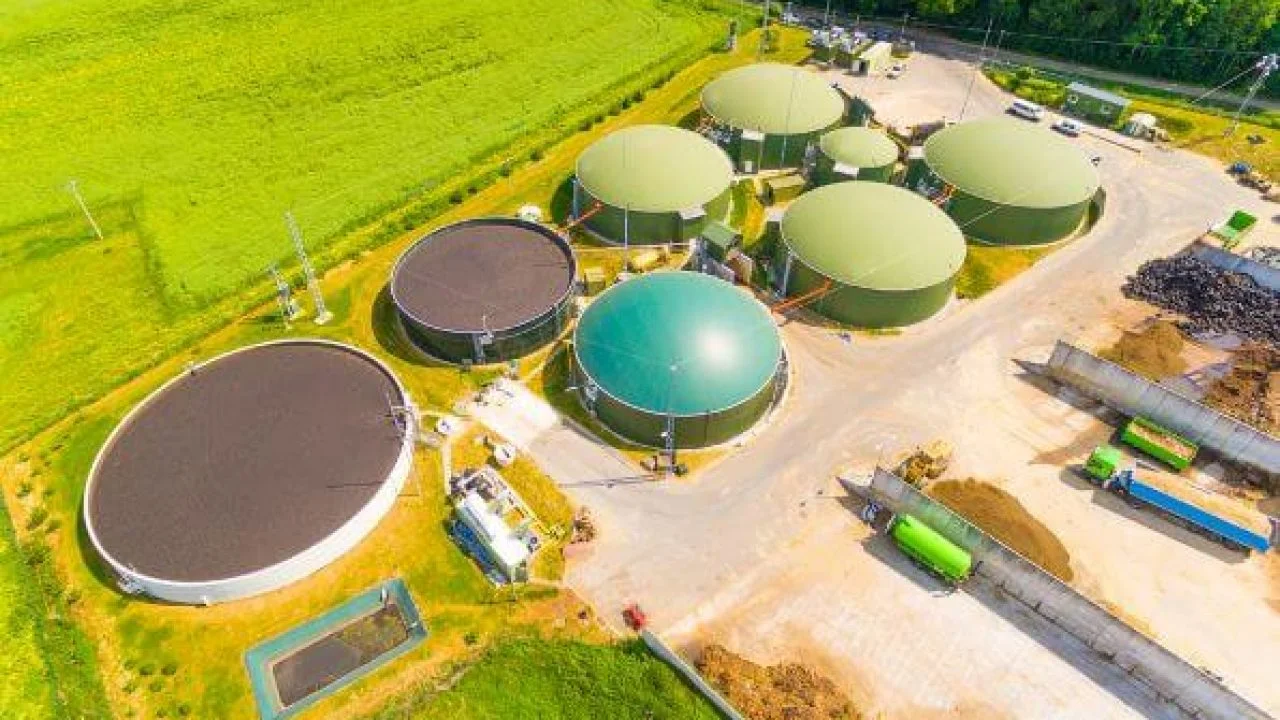
The proposed Delhi biogas plant would occupy roughly eight acres and operate using anaerobic digestion technology, a process that converts organic waste such as dung into methane-rich biogas. This renewable gas can then be used as a cooking fuel or processed further into compressed biogas for broader energy applications. Urban infrastructure experts say such facilities are increasingly critical for large metropolitan regions attempting to move away from landfill-based waste disposal. Cities with significant livestock activity often struggle to manage organic waste streams, which can contribute to water contamination, odour problems and methane emissions when left untreated. Authorities associated with the initiative indicate that the project could handle around 50 tonnes of waste daily from each of the two nearby dairy clusters. By treating this waste at source, the plant could prevent runoff entering drains that ultimately connect to the Yamuna, a river that has long faced severe pollution pressures from untreated waste streams.
Environmental planners point out that while cattle waste is not always classified as a primary urban pollutant, it represents a valuable resource when integrated into a circular economy model. By converting organic waste into usable energy and biofertiliser, cities can simultaneously address sanitation issues and create low-carbon fuel alternatives. Energy analysts also highlight the economic dimension of such projects. With the cost of conventional cooking fuels fluctuating, biogas offers a locally generated energy option that can support energy security for households and small businesses. In several Indian cities, similar projects have been used to supply fuel to community kitchens, transport fleets and small-scale industries. However, experts caution that infrastructure alone may not guarantee success. Sustained community participation, organised waste collection and clear operational frameworks are essential to ensure that organic waste streams are consistently channelled into the facility.
If implemented effectively, the Delhi biogas plant could become a model for integrating livestock waste management into urban sustainability strategies. As cities continue to expand and resource pressures intensify, projects that transform waste into energy are increasingly seen as essential components of climate-resilient urban infrastructure.