


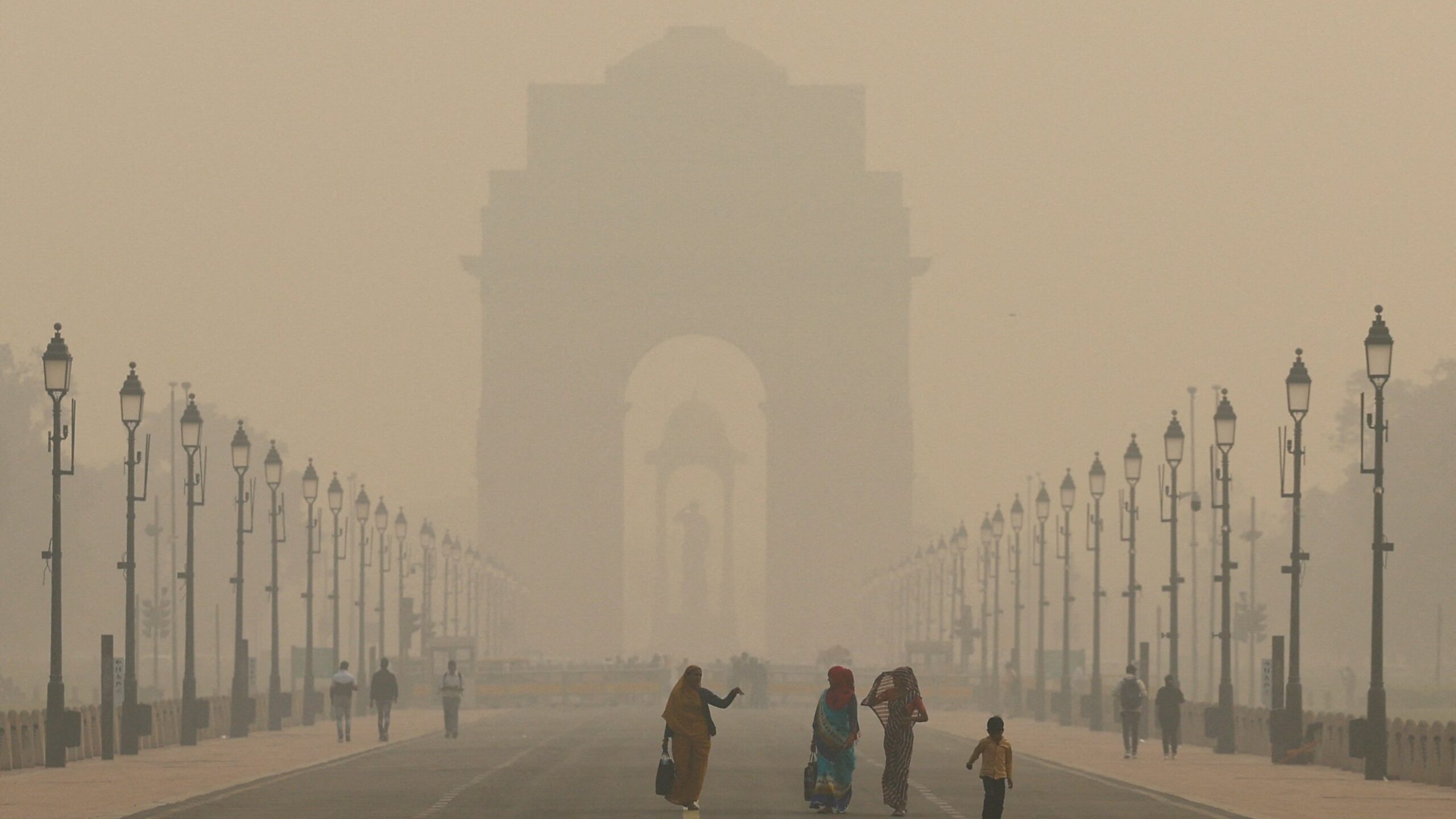
Air pollution and unpredictable monsoon patterns, Delhi is poised for its inaugural artificial rain experiment in July 2025. This scientific intervention, a collaborative effort with weather monitoring agencies, marks a potential turning point in how urban India addresses critical climate challenges. It underscores a proactive commitment to enhancing air quality, managing water scarcity, and fostering a more resilient and eco-friendly urban environment for millions of residents.
Delhi routinely grapples with some of the world’s most severe air pollution, a persistent public health crisis that impacts all demographics. Artificial rain has long been considered a potential solution to settle airborne pollutants, thereby improving the city’s notoriously poor air quality. Beyond pollution, the capital, like many Indian cities, faces the increasing unpredictability of monsoon patterns due to climate change. This variability affects agriculture, urban temperatures, and critically, groundwater levels. By inducing timely showers, artificial rain could offer a dual benefit: mitigating pollution and providing much-needed water for urban needs and aquifer recharge, contributing directly to sustainable water management.
The methodology behind artificial rain, commonly known as cloud seeding, involves introducing specific chemicals into moisture-bearing clouds to stimulate precipitation. For Delhi’s experiment, substances such as silver iodide, potassium iodide, or sodium chloride will be released into suitable cloud formations. These particles act as nuclei, around which water droplets condense and grow, eventually falling as rain. The precise delivery of these chemicals will be facilitated by specialised aircraft or drones, operating in close coordination with weather monitoring agencies like the India Meteorological Department (IMD) to ensure optimal timing and effectiveness. This scientific precision is vital for the success of such an ambitious environmental intervention.
However, the implementation of artificial rain is not without its inherent limitations and challenges. The success of cloud seeding operations is highly dependent on specific meteorological conditions, including the type of clouds present, existing moisture levels, and prevailing wind patterns. The absence of suitable clouds, for instance, renders the process ineffective. Furthermore, the financial implications are substantial, with each seeding operation costing several lakhs of rupees, necessitating significant funding for any large-scale deployment. While generally considered safe, the repeated usage of chemicals in the atmosphere also raises legitimate questions about potential long-term ecological impacts, requiring ongoing scientific scrutiny and environmental assessments to ensure a truly eco-friendly approach.
Despite these challenges, the potential benefits for a megacity like Delhi are compelling. If successful, this pilot project in July could pave the way for larger-scale interventions across the National Capital Region (NCR) and other drought-prone areas of India. Such a breakthrough would offer a novel tool for urban water management, providing a supplementary source of water for a city constantly battling scarcity. More critically, it holds the promise of becoming a game-changer for air pollution control, offering a direct method to cleanse the atmosphere and improve public health, thereby contributing to the creation of healthier and more liveable urban spaces for all citizens.
The pursuit of artificial rain reflects a proactive and innovative approach to urban environmental governance.
It underscores a commitment to leveraging scientific solutions to address complex climate challenges, aligning with the broader global agenda of fostering zero net carbon and sustainable cities. By addressing issues that disproportionately affect vulnerable populations, such as poor air quality and water scarcity, this initiative also contributes to building more equitable and gender-neutral urban environments. The success of Delhi’s pioneering experiment could set a crucial precedent, inspiring other cities in India and globally to explore advanced technological interventions in their quest for environmental resilience and a sustainable future.
Also Read :Delhi Resumes Compliance Drive to Clean Up Industrial Clusters
