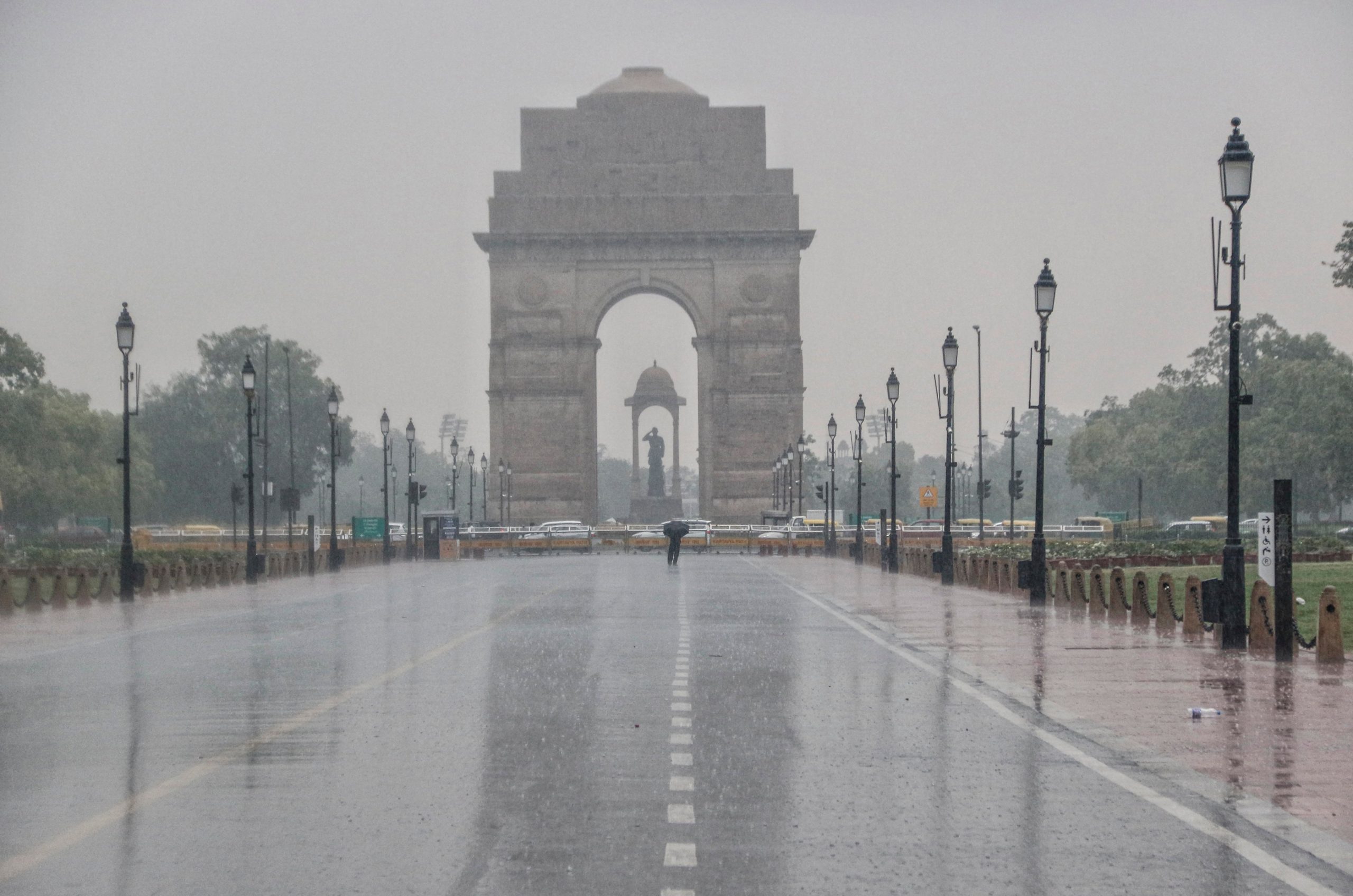
Delhi’s Environment Department has green‑lit a pioneering cloud seeding operation to tackle the persistent smog that blankets the capital each summer. Between July 4 and 11, subject to weather conditions, five flights will deploy silver iodide nanoparticles and rock salt over designated low‑security zones in North‑West and Outer Delhi. The flights—each covering around 100 sq km—are designed to catalyse moisture in clouds and induce rainfall.
The flight plan, developed by IIT Kanpur, has been submitted to IMD Pune and approved by the Directorate General of Civil Aviation. Environment Minister Manjinder Singh Sirsa emphasised that this marks Delhi’s first such intervention under Chief Minister Rekha Gupta’s stewardship. With current atmospheric patterns unlikely to support seeding until after July 3, authorities have secured contingency windows to adapt operations in case of adverse weather.
This is a deliberate climate‑responsive strategy that aligns with Delhi’s broader sustainability goals. Urban air pollution disproportionately affects women, children, and vulnerable populations. Artificial rain could offer near‑term relief by washing airborne particulates from the atmosphere. However, its effectiveness depends on timely execution and sufficient cloud cover—a variable still under close meteorological scrutiny.
Technically, cloud seeding introduces hygroscopic or ice‑forming agents into the cloud. Silver iodide mimics ice crystals, enabling droplet growth even in marginally humid clouds. While the approach has precedents in agriculture and mountain rain enhancement, its use in a densely populated metro like Delhi is rare and bold.
By adopting this method, Delhi joins a global list of cities experimenting with emerging environmental technologies. Yet experts caution that artificial rain is a supplement—not a substitute—for deeper structural reforms. Without curbing vehicular emissions, industrial pollutants, and crop residue burning, the city risks returning to hazardous air quality levels post‑operation.
Bureaucratic coordination has been critical. The operation involves environmental, academic, aviation, and meteorological agencies working in concert—a logistical challenge. The DGCA’s approval for low‑security flight zones and IMD’s real‑time weather input will be instrumental in determining seeding efficacy and public safety.
Public reception is mixed: while many residents welcome any respite from smog, health advocates stress that long‑term change lies in sustainable transport systems, clean energy adoption, and enforcement of emission norms. Cloud seeding may offer temporary relief, but underpinning governance and policy reforms will define Delhi’s air quality trajectory.
As the July window approaches, all eyes are on whether cosmic chemistry can deliver tangible skies. If successful, the experiment could set a precedent for climate‑adaptive urban governance in India’s megacities. For now, Delhi’s artificial rain initiative reflects both the urgency and complexity of battling air pollution in the era of climate fragility.