India Bans Construction Within Fifteen Metres Of Ring Roads And Bypasses
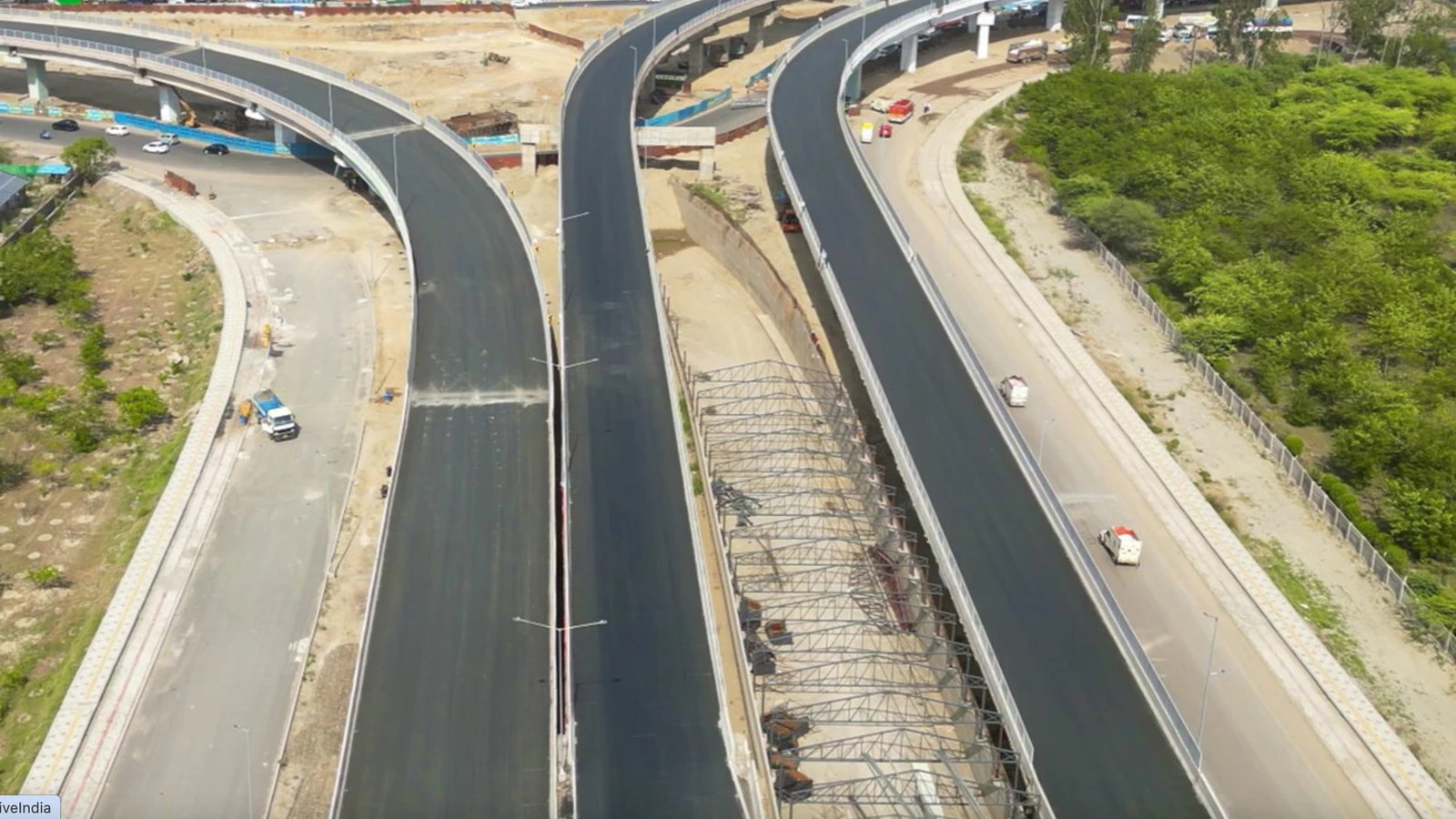
Delhi is all set for a major traffic decongestion initiative with the National Highways Authority of India (NHAI) planning an 82 kilometre eastern extension of the Urban Extension Road-II (UER-II), also known as the capital’s third Ring Road. This ₹10,850 crore project aims to ease the load on existing arterial routes like Ring Road, Outer Ring Road, Kalindi Kunj and Sarai Kale Khan, by creating a seamless highway corridor through northeast Delhi, Ghaziabad and Noida. The extension will connect major expressways and significantly reduce traffic congestion across key city junctions.
The new extension will begin at Alipur in North Delhi and stretch through Tronica City in Ghaziabad, linking the Delhi-Dehradun Expressway near Mandaula. From there, it will traverse areas like Ghitora, Farukhnagar, and Indirapuram, ultimately connecting to the Noida-Greater Noida Expressway. The first phase, covering 17 kilometres and costing ₹3,350 crore, will handle connectivity from Alipur to Mandaula. The second leg, estimated at ₹7,500 crore, will cover 65 kilometres from Mandaula to Noida.
Officials say this corridor will allow both local and long-distance vehicles to bypass Delhi’s congested urban core, facilitating smooth travel between cities such as Ghaziabad, Noida, Faridabad and Delhi’s northwest and southwest regions. The route will also help ease pressure on NH-48, NH-44, and the Barapullah corridor by serving as an alternative route for freight and intercity traffic.
The proposal was prioritised in a high-level meeting between Delhi Chief Minister Rekha Gupta and Union Road Transport Minister Nitin Gadkari on June 4. Currently, bids for preparing the detailed project reports for both segments are being evaluated and are expected to be awarded shortly.
This extension is part of a broader infrastructure vision that includes the nearly complete 75 kilometre UER-II, which is expected to be fully operational by August. Once completed, the extended UER-II corridor will provide vital connectivity among Delhi’s major expressways, including Delhi-Mumbai, Delhi-Meerut, and Delhi-Dehradun, and form a full-fledged high-speed ring road for the capital.