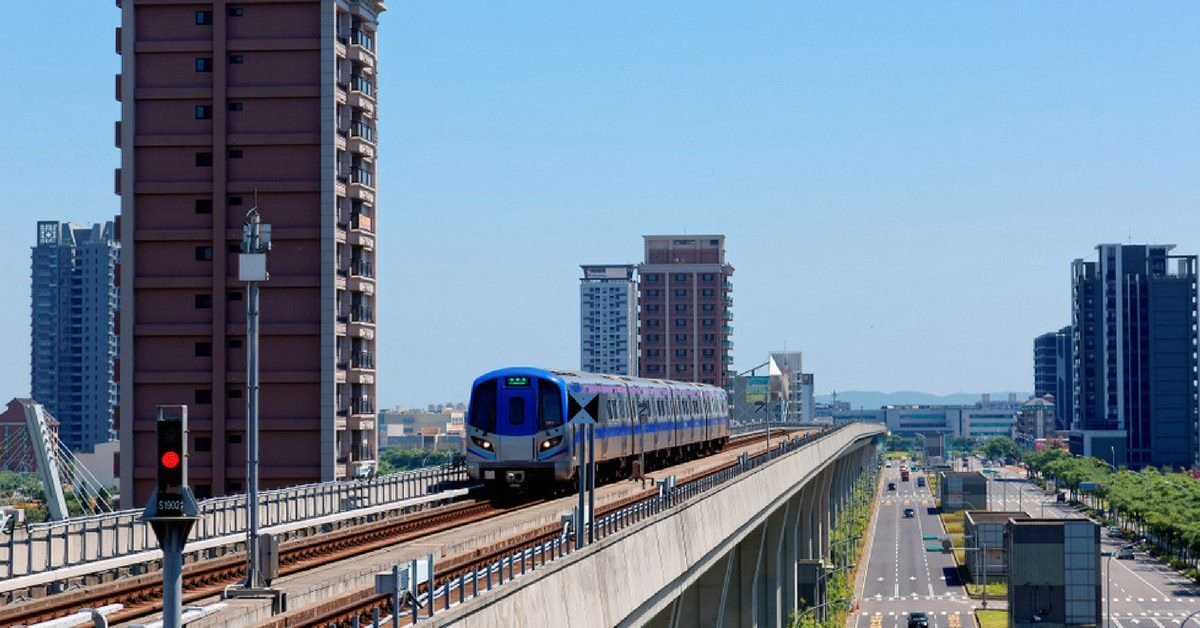
Urban development authorities have introduced revised planning regulations in the national capital aimed at intensifying growth around mass transit corridors. The updated Transit Oriented Development rules allow higher-density construction and mixed-use projects within walking distance of metro and rapid transit stations, a move planners say could reshape land use and housing supply across large parts of Delhi. The policy applies to a 500-metre influence zone around metro lines, regional rapid transit routes and major railway stations. Officials estimate that roughly 207 square kilometres across the National Capital Territory will now fall under these planning provisions, opening significant areas for redevelopment and transit-linked urban growth.
A notable feature of the updated Transit Oriented Development rules is the inclusion of land parcels previously outside TOD zones. These newly eligible areas include certain land pooling sectors, low-density neighbourhoods and unauthorised settlements. Urban planners suggest that extending TOD planning to these districts could help integrate fragmented parts of the city into the formal development framework while increasing access to public transport. Under the revised framework, developers can utilise a substantially higher floor area ratio, enabling taller and denser buildings along transit corridors. Projects on plots above a specified size threshold can achieve a development intensity designed to maximise land efficiency in areas already supported by public transport infrastructure. Housing supply remains a central objective of the policy. Planning guidelines require that a majority portion of the permissible built area be dedicated to residential use, with an emphasis on smaller dwelling units. Urban policy analysts say such provisions are intended to improve the availability of housing options for middle- and lower-income households in well-connected parts of the city. The remaining development capacity can be used for commercial spaces, offices or hospitality uses, alongside neighbourhood amenities such as retail and public facilities.
Experts note that this mix of residential and commercial functions is essential for creating active urban districts where people can live, work and access services within the same locality. Another major shift within the Transit Oriented Development rules is the move from a node-based planning approach to a corridor-based model. Earlier frameworks focused primarily on development around specific station nodes, whereas the updated system allows continuous growth along entire transit corridors. Urban mobility researchers say this shift may encourage more cohesive urban form and improve pedestrian access to metro stations. To reduce delays in project approvals, authorities have also introduced a streamlined regulatory structure. Developers will now be able to apply through a consolidated clearance process overseen by a designated planning body, replacing multiple approval channels previously required for TOD proposals. Urban economists view the policy as part of a broader effort to align land use planning with public transport infrastructure. Concentrating housing and commercial activity near metro corridors can reduce dependence on private vehicles, shorten commuting distances and support climate-resilient urban growth.
As Delhi continues expanding its transit systems, the implementation of these Transit Oriented Development rules could play a defining role in shaping the city’s next phase of urban development. The success of the framework will depend on how effectively planning agencies balance high-density construction with public infrastructure, green spaces and inclusive housing access.