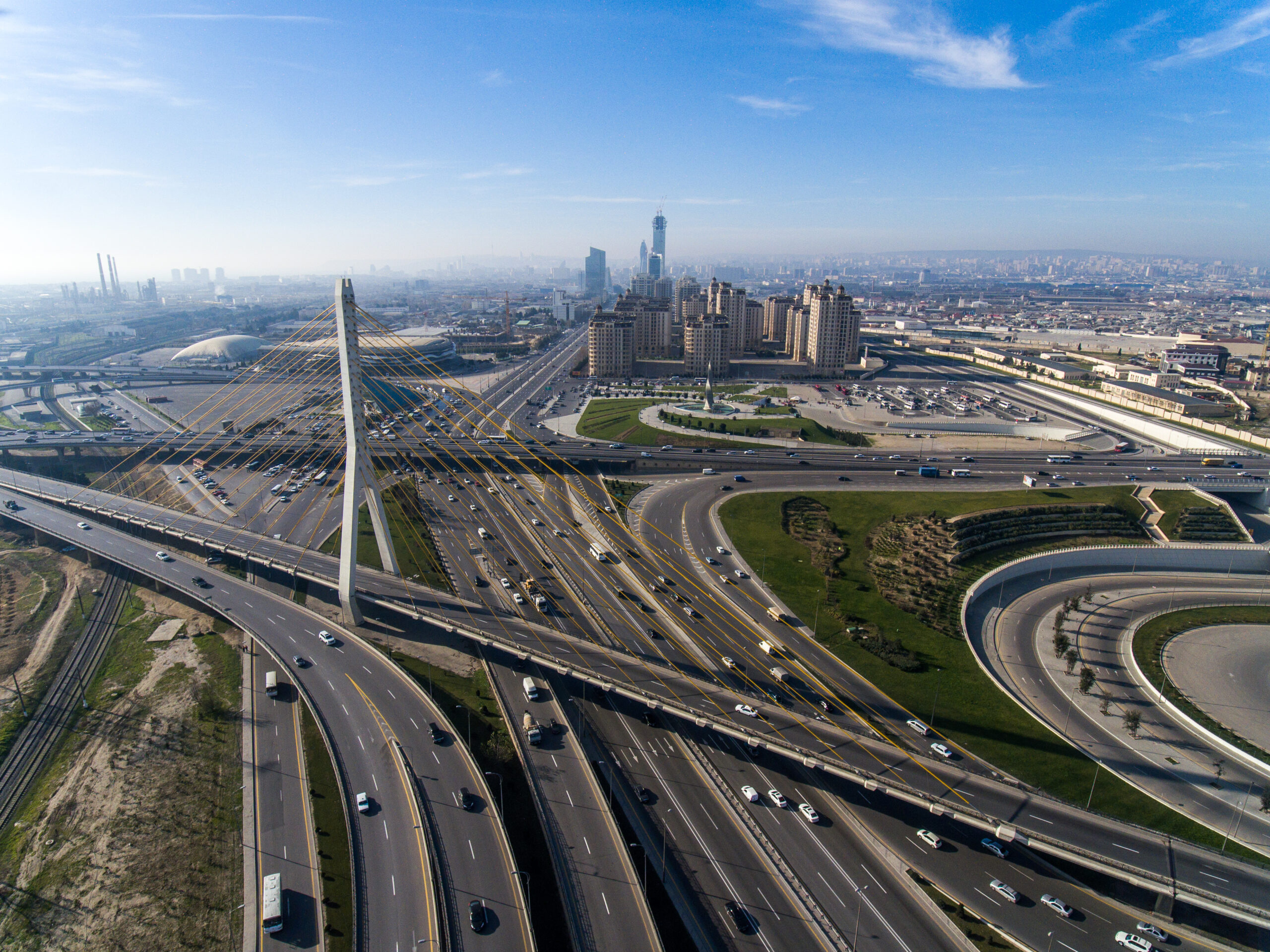
Delhi marked a milestone in its urban mobility drive with the inauguration of two major highway projects, developed at a combined cost of nearly ₹11,000 crore. The Dwarka Expressway’s Delhi section and the Urban Extension Road-II (UER-II) are expected to ease congestion, cut travel time, and strengthen regional connectivity across the National Capital Region (NCR).
The Delhi segment of the Dwarka Expressway, a 10.1-kilometre stretch built at a cost of about ₹5,360 crore, is designed as an access-controlled corridor that links key infrastructure nodes. The expressway will connect seamlessly to the Yashobhoomi convention centre, Delhi Metro’s Blue and Orange lines, the upcoming Bijwasan railway station and the cluster bus depot in Dwarka. Officials said the expressway will complement the 19-kilometre Gurugram section that was opened earlier, creating an integrated corridor for commuters and freight operators.
Alongside this, the Alipur–Dichaon Kalan section of the Urban Extension Road-II was also inaugurated. Developed with an investment of ₹5,580 crore, the corridor stretches from NH-44 at Alipur to NH-48 at Mahipalpur, cutting through major junctions at Mundka, Bakkarwala, Najafgarh and Dwarka. The project also includes new links to Bahadurgarh and Sonipat, adding vital capacity to the NCR’s transport network.
Authorities have projected significant time savings once both corridors become operational. A journey from the Singhu border to Indira Gandhi International Airport, which currently takes up to two hours, is expected to be cut to just 40 minutes. Similarly, freight movement through Delhi, previously constrained by congestion on Inner and Outer Ring Roads, will be streamlined, reducing logistics costs and travel delays. Urban planners emphasise that beyond easing congestion, these projects contribute to environmental sustainability. Reduced idling and shorter travel times are expected to lower vehicular emissions, offering incremental improvements to Delhi’s air quality. Officials described the development as a step towards transforming the city into a more liveable and less car-clogged capital.
The road transport ministry has already rolled out projects worth over ₹50,000 crore to address congestion in Delhi, with several more in the pipeline. Experts note that the integration of these expressways with multi-modal transport options — including rail and metro networks — reflects a broader shift towards creating resilient and eco-friendly mobility systems. While some challenges in land acquisition and last-mile connectivity remain, the opening of these highways signals intent to align infrastructure with the dual goals of economic efficiency and environmental responsibility. For Delhi’s residents and businesses alike, the projects represent a long-awaited reprieve from chronic gridlock and a glimpse of a more sustainable urban future.