


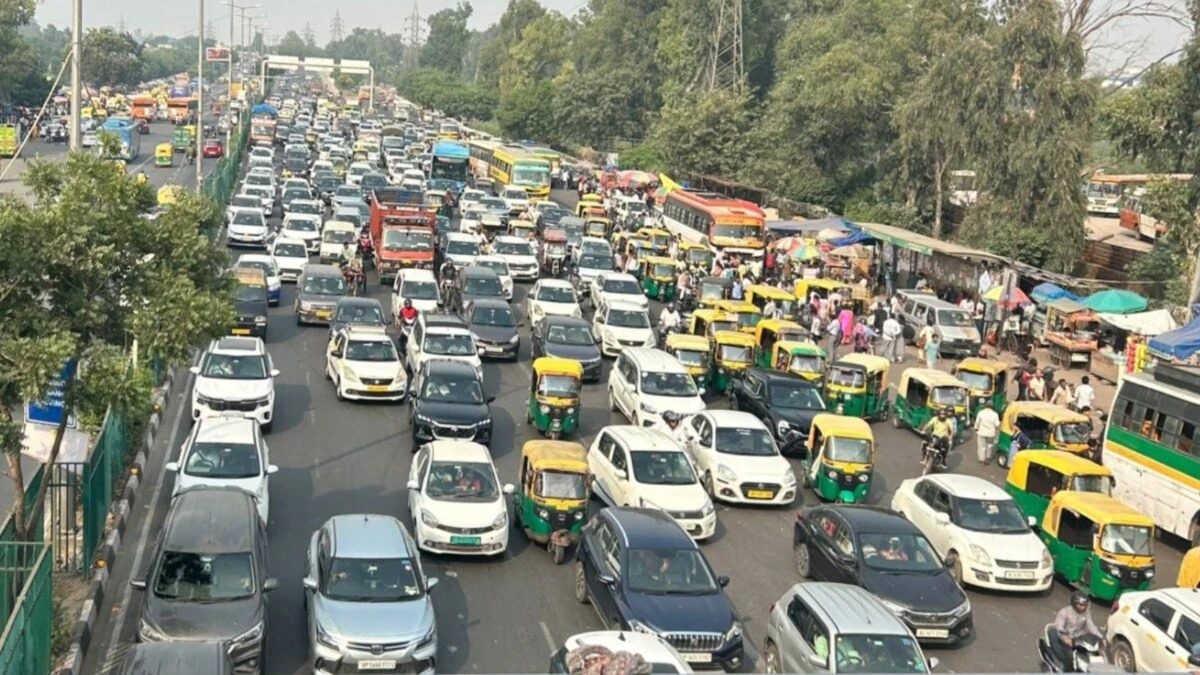
Delhi remained on heightened alert on Thursday as authorities rolled out extensive security and mobility restrictions ahead of the two-day visit of the Russian President. The rare high-level diplomatic engagement is expected to draw significant public attention, but it is also prompting widespread diversions, temporary closures and movement controls across key parts of the capital. Officials said the measures are aimed at ensuring safety while minimising disruption for residents who rely on Delhi’s busy roads, metro network and public spaces.
City police officials confirmed that real-time surveillance, multi-agency coordination and route sanitisation began early in the day, with movements expected to intensify once the visiting delegation lands at the military airbase in southwest Delhi. While the detailed route plan remains confidential for security reasons, officers stated that several arterial roads connecting the airport to central Delhi would experience intermittent restrictions. Commuters heading towards Sardar Patel Marg, Dhaula Kuan, Shanti Path, Panchsheel Marg and adjoining corridors were advised to allow additional travel time.
Officials said the delegation will be housed in the diplomatic enclave, followed by a series of engagements, including meetings with national leadership and visits to institutions in central and south Delhi. Friday is expected to see the heaviest movement, starting with a ceremonial stop at a national memorial, continuing with bilateral discussions at a heritage complex, and culminating in a high-profile event at the city’s flagship convention venue. Each of these locations sits within zones that already experience dense traffic during peak hours, making careful mobility planning essential.
Delhi Police said coordination with the Metro Rail Corporation had also been activated. A senior official noted that entry and exit points at select stations may be temporarily closed, depending on live ground assessment. Although the closures are expected to be brief, transport experts said that even short interruptions can affect passenger flow during peak periods in a city dependent on its metro system for sustainable urban movement. Security agencies, including counter-terror and rapid response units, have been deployed at strategic junctions, alongside drone surveillance and international security personnel. Officials emphasised that high-visibility policing is intended not only to secure the delegation but also to reassure residents navigating an already complex mobility landscape. Analysts said such events underscore the need for resilient urban mobility systems that can absorb temporary shocks without disproportionately impacting daily commuters, especially vulnerable groups who rely on public transport.
Authorities reiterated that all precautions were being taken to limit inconvenience. Citizens were encouraged to monitor official advisories, plan travel outside peak hours and use public transport wherever possible. For a growing capital aspiring towards inclusive and sustainable mobility, the visit serves as a reminder of the importance of adaptable transport infrastructure that balances civic movement with the demands of global diplomacy.
