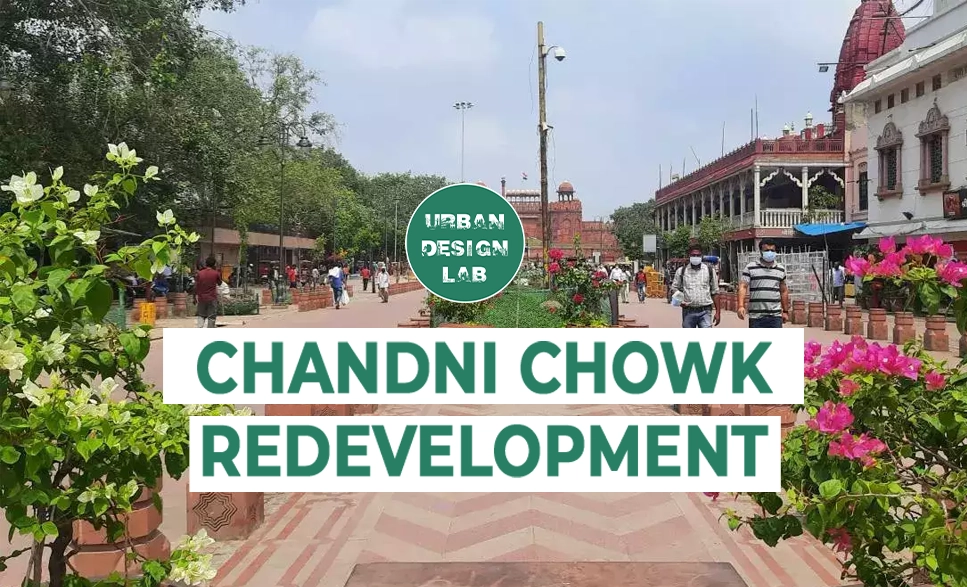
Delhi’s historic core is set to undergo a renewed phase of urban transformation as the city government places the redevelopment of Old Delhi at the centre of its civic and economic agenda. The initiative, focused on the Walled City area, aims to reposition one of the capital’s most densely populated districts as a structured tourism and cultural destination while addressing long-standing infrastructure deficits.
Senior officials indicated that the redevelopment effort will combine heritage conservation with modern urban services, marking a shift from isolated beautification projects towards area-based planning. Old Delhi, home to centuries-old residential clusters, wholesale markets, and religious landmarks, has struggled with ageing utilities, traffic congestion, and safety concerns despite its economic vibrancy. At the core of the plan is the modernisation of essential services in narrow, high-footfall lanes. Undergrounding electricity networks is expected to improve public safety and significantly enhance streetscape quality an intervention urban planners describe as critical for historic precincts where overhead wiring has long posed fire and visual hazards. Similar approaches have been adopted in heritage districts globally to balance preservation with liveability.
Traffic management is another priority. Officials said a comprehensive circulation strategy is being developed to manage freight movement, pedestrian flows, and visitor traffic in one of the city’s most congested zones. Proposals include decentralised multi-level parking facilities at strategic edges of the Walled City to reduce vehicular pressure within core heritage areas. Transport experts note that such measures are essential if tourism growth is to be sustainable and not disruptive to residents. The redevelopment roadmap also includes reviewing earlier infrastructure and public realm projects across Chandni Chowk, Jama Masjid precincts, and key arterial stretches connecting Delhi Gate and Kashmere Gate. These corridors function as economic lifelines for traders and informal workers, making uninterrupted road maintenance and utility upgrades critical for daily commerce.
Urban economists see the Old Delhi redevelopment as more than a cultural exercise. The area supports thousands of small businesses, artisans, and informal service providers. Structured upgrades could improve working conditions, boost local employment, and unlock heritage-linked economic opportunities—provided displacement risks are carefully managed. Inclusive planning, experts stress, will be key to ensuring residents benefit alongside tourism-led growth.
From a climate resilience perspective, planners underline the importance of integrating drainage upgrades, shaded pedestrian infrastructure, and non-motorised transport within the redevelopment framework. Old Delhi’s dense built form makes it particularly vulnerable to heat stress and flooding, challenges expected to intensify with climate change.
While timelines and funding details are still being finalised, the renewed focus signals a broader shift in Delhi’s urban strategy one that treats historic districts as living neighbourhoods rather than static monuments. The success of the Old Delhi redevelopment will likely depend on coordination between heritage authorities, municipal agencies, traders, and residents. As planning moves forward, attention will turn to execution: whether the project can deliver safer streets, stronger local economies, and improved quality of life without eroding the character that makes the Walled City one of Delhi’s most distinctive urban spaces.
Delhi Old City Redevelopment Plans Take Shape