


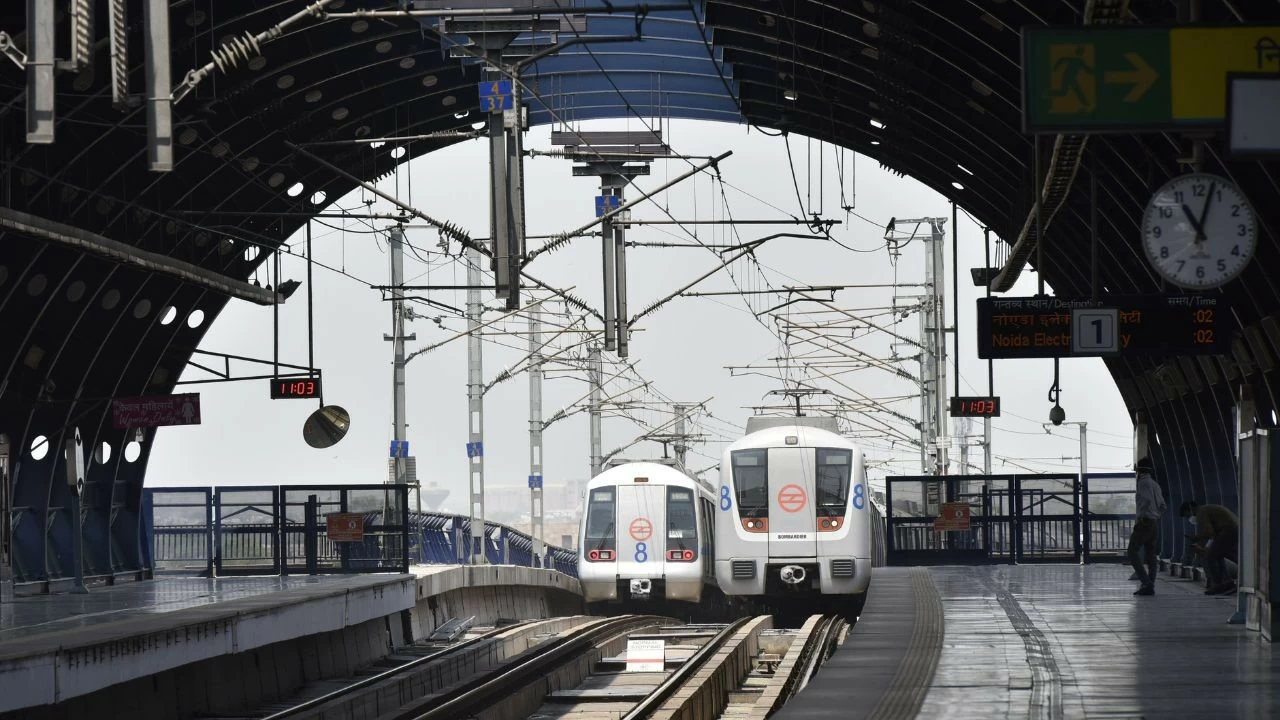
Delhi has announced the renaming of three metro stations in the Pitampura region, a move aimed at strengthening local identity and enhancing navigational clarity for commuters. The decision, revealed during a civic outreach programme in Haiderpur, signals the city’s broader intent to integrate cultural heritage with its fast-expanding mass transit network. As the National Capital prepares for a major expansion under Delhi Metro’s Phase IV plan, officials say the renaming is part of efforts to improve wayfinding and reflect neighbourhood identity more accurately.
According to officials overseeing the initiative, the updated station names are intended to align transport infrastructure with the city’s evolving urban landscape. Under the proposal, Uttari Pitampura will be rebranded as Uttari Pitampura–Prashant Vihar, Pitampura North will take on the name Haiderpur Village, and Pitampura station will now be known as Madhuban Chowk. Urban planners say that such naming revisions, when community-driven, help reinforce the cultural history of neighbourhoods while offering clearer geographical cues to passengers. The announcement was accompanied by updates on surrounding infrastructure works, including the ongoing widening of Max Hospital Road and construction of a new underpass in the area. Officials noted that these upgrades, once completed, will enhance accessibility for pedestrians, cyclists and public transport users—an important step for a region that has seen rapid population growth and rising mobility demands. A senior official said that the interventions are designed to “make daily movement safer, inclusive and more predictable for all users, especially vulnerable groups.”
Community representatives have welcomed the emphasis on local identity, particularly in Haiderpur, an area known for balancing its longstanding traditional character with increasing urban development. An urban sociologist noted that station names often serve as markers of collective memory. “When metro names reflect the stories of neighbourhoods, it strengthens a sense of place. It helps build cities that grow without erasing their cultural roots,” the expert said. The renaming comes at a time when the Delhi Metro is carrying out one of its largest network expansions. Phase IV will add around 112 km of new corridors and 44 stations, pushing the network beyond 450 km by 2027. Delhi is expected to become the world’s longest single-city metro network by December 2025, surpassing New York. Officials say that integrating thoughtful naming conventions with this expansion is essential for commuter clarity, especially as the network becomes more complex.
From a sustainability standpoint, the metro remains the backbone of Delhi’s shift towards low-carbon mobility. Analysts argue that better integration, clearer navigation tools and culturally resonant station naming can encourage more residents to shift from cars to public transport, reducing emissions and easing congestion. As Delhi continues to modernise its transport ecosystem, such decisions highlight the interplay between mobility, identity and more equitable urban development.
Also Read: Thane Traffic To Shift For Six Months Due To Borivali Tunnel Work
