


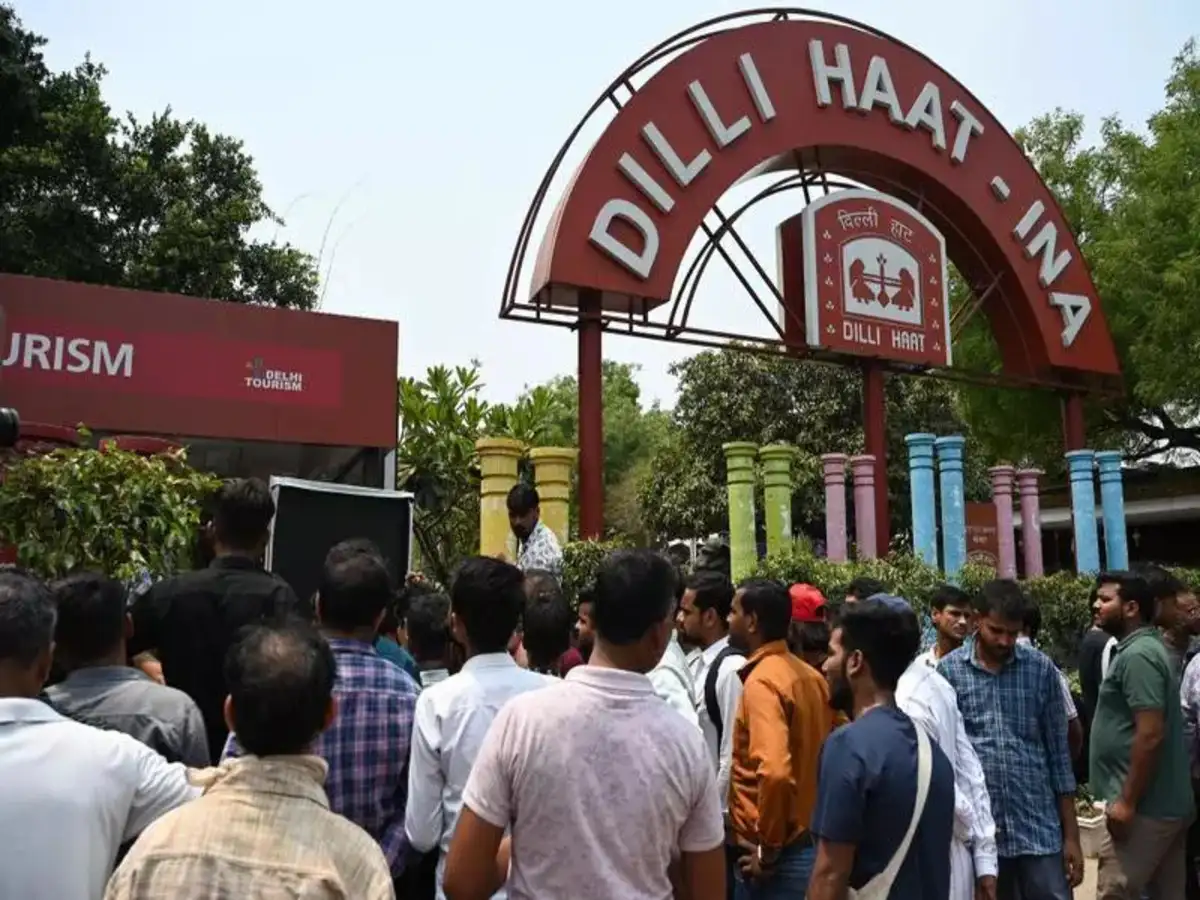
Delhi has taken another decisive step towards its zero-waste and eco-friendly city ambition with the inauguration of a decentralised composting facility at INA-Delhi Haat and the recognition of a residential society in RK Puram as an exemplary “Anupam Colony.” The initiative underscores how localised, citizen-driven action can strengthen urban sustainability and significantly reduce landfill dependence.
The composting facility, developed under the Segregation of Waste for Recycling and Treatment (SORT) initiative, is equipped with 15 modern composting units. Collectively, they can process nearly 180 kilograms of organic waste generated daily from restaurants operating inside Delhi Haat. The technology being deployed is designed to be compact, odour-free and electricity-free, making it both eco-friendly and cost-efficient for dense community clusters.
Also Watch: An Exclusive Interview with Sanjeev Jaiswal (IAS), CEO MHADA
Officials highlighted that the Centralised Community Cluster (CCC) model adopted here is intended to showcase how metropolitan neighbourhoods can turn biodegradable waste into usable compost while easing the mounting pressure on overburdened landfill sites. The daily output will be channelled into sustainable landscaping and gardening activities, thereby creating a circular loop of waste-to-resource conversion.In a parallel recognition effort, the civic body designated a housing society in RK Puram as an “Anupam Colony” for its exemplary adoption of segregation-at-source, recycling practices and an active composting site managed by residents. A dedicated Reduce, Reuse, Recycle (RRR) centre has also been set up within the community, making it a model neighbourhood for waste management.
Experts stressed that the declaration of “Anupam Colonies” is more than symbolic. It serves as a benchmark for other urban localities to emulate. The initiative, which began earlier this year, has gradually expanded to multiple neighbourhoods across Delhi, recognising communities that demonstrate sustainable practices and align with the larger climate-resilient vision of the capital.The project is part of the broader movement towards creating decentralised and participatory waste management models in Indian cities. With landfills nearing saturation, officials reiterated that empowering communities with accessible technology and civic support is the only viable path forward. The success of these pilots is expected to influence similar programmes in other metros, positioning Delhi as a frontrunner in community-led waste transformation.
