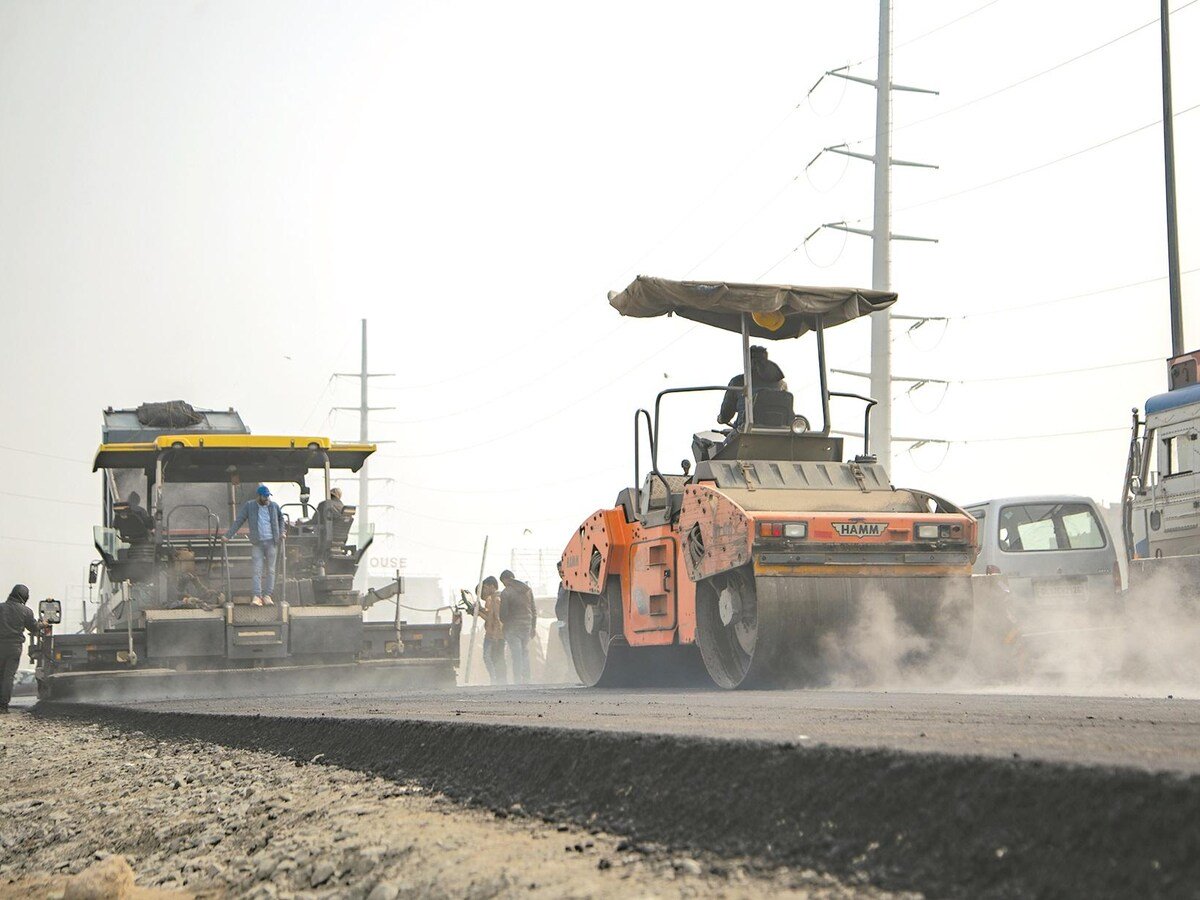
Delhi-NCR Tightens Dust Control for Construction Waste
The Commission for Air Quality Management (CAQM) has issued a new regulatory directive to strengthen dust control and construction waste management across the Delhi-NCR region, effective April 1, 2026, in a bid to tackle persistent particulate pollution linked to building and demolition activities.
The move comes amid growing concerns that construction-related dust contributes significantly to seasonal spikes in particulate matter — particularly PM10 and PM2.5 — which degrade air quality and health outcomes in one of the country’s most densely populated urban clusters. The Statutory Direction No. 97, published by CAQM under its enabling authority, requires municipal corporations and urban development bodies across the national capital region to adopt a more systematic and enforceable regime for handling construction and demolition (C&D) debris. Officials have identified gaps in compliance with existing provisions of the Construction and Demolition Waste Management Rules, 2025, noting that improper transportation, open storage, and inadequate processing of waste have been key drivers of fugitive dust emissions. Under the new directive, authorities must ensure at least one C&D waste collection and processing facility within every 5 km × 5 km grid in their jurisdictions.
These facilities are intended not only to serve as intermediate storage points but also to facilitate environmentally sound disposal and recycling of rubble, concrete, brick and other construction debris — materials that, if left unregulated, can become major sources of airborne particles. CAQM’s order also ties compliance to pre-construction and regulatory approvals. Builders and project proponents must declare demolition waste management plans before receiving building permissions and provide proof of deposit and lawful disposal at authorised facilities. The directive emphasises covered transport of debris to curb dust release on urban roads, alongside routine monitoring by pollution control boards and flying squads. Environmental experts welcome the sharper regulatory focus, noting that dust from construction sites compounds other pollution sources such as vehicular emissions, road dust and industrial outputs, particularly during winter and transitional seasons.
According to air quality monitoring data and CAQM assessments, inadequate mitigation at C&D sites has been a recurring challenge, undermining broader air improvement initiatives. The direction reinforces compliance with the latest waste management framework introduced in 2025, which embeds circular economy principles and extended producer responsibility (EPR) for construction materials — a paradigm that aims to reduce waste generation at source and promote reuse. Aligning local government execution with these national-level rules is seen as essential to bridging enforcement gaps that have persisted across municipal jurisdictions. Municipal bodies in Delhi, Haryana, Uttar Pradesh and Rajasthan, whose urban districts form the contiguous NCR, will be principally responsible for implementing the new measures. These authorities must upgrade infrastructure — including collection grids, storage depots and processing units — and strengthen surveillance to ensure that debris management practices adhere to the directive. Enforcement officers could face action for lapses in implementation.
The enhanced rule set signals a shift from relatively advisory frameworks toward compliance-driven enforcement in managing construction pollution. If effectively implemented, it could significantly reduce the dust burden that contributes to unhealthy air quality episodes, easing public health pressures and supporting long-term environmental goals in the rapidly expanding Delhi-NCR urban region.