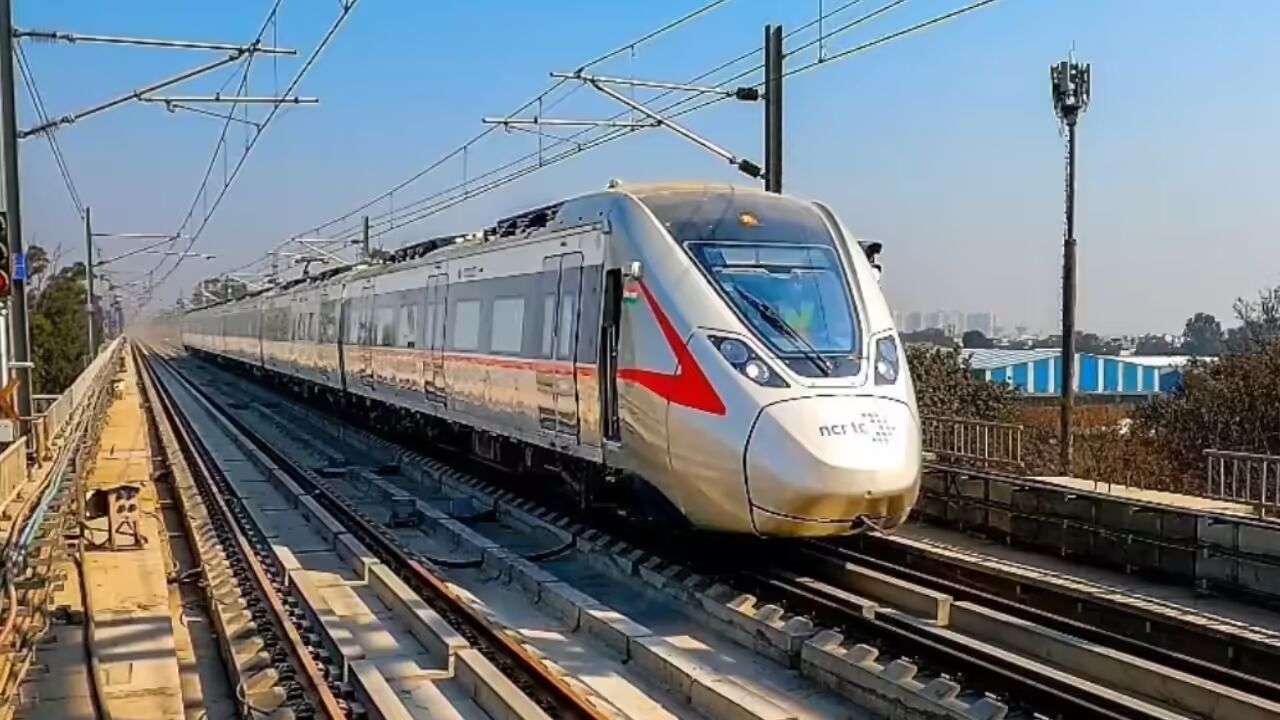
Delhi NCR — The Union Cabinet has cleared a comprehensive set of transport and infrastructure projects with a combined outlay of ₹12,236 crore, signalling a renewed push to expand rail, metro and aviation frameworks that underpin the Delhi National Capital Region’s (NCR) connectivity and economic capacity.
The approvals — made at the government’s first full-cabinet meeting in the new Seva Teerth Prime Minister’s Office — extend beyond rail lines to urban rapid transit and airport infrastructure, placing integrated mobility at the centre of regional urban development planning. The largest share of the package, approximately ₹9,072 crore, is earmarked for railway capacity and expansion projects across multiple states, including corridors that support freight and passenger traffic critical to the NCR’s logistical backbone. Key elements include the doubling of the Gondia–Jabalpur rail line, as well as the development of third and fourth tracks on the Punarakh–Kiul and Gamharia–Chandil corridors — investments expected to add roughly 307 km of rail network capacity and reduce congestion on major inter-regional routes. Enhancing rail infrastructure in these ways aligns with national priorities to improve operational efficiency, lower logistics costs and reduce emissions through modal shift from road to rail freight.
In urban transport, the Cabinet approved an extension of the Ahmedabad Metro’s Phase 2B project — a 3.33 km corridor linking GIFT City to Shahpur with three elevated stations. While this metro extension is in Gujarat, the investment reflects a broader pattern of strengthening rail-based urban mobility systems across key Indian cities, with implications for Delhi’s own metro expansion strategies, which aim to integrate urban and regional networks more effectively. Aviation infrastructure also received a significant boost with the green light for a new integrated terminal at Srinagar International Airport. Slated to increase capacity and improve passenger handling, the terminal project underscores the government’s intent to strengthen air connectivity in northern regions — an objective that could ease travel bottlenecks for Delhi NCR residents and businesses by broadening regional aviation options. Beyond transport infrastructure, the Cabinet enshrined several complementary policy decisions, including power sector reforms and an increase in the Minimum Support Price (MSP) for raw jute, as part of a broader economic agenda. The meeting also approved the formal renaming of the state of Kerala to Keralam, reflecting ongoing governance reforms.
For cities within the Delhi NCR — already grappling with rapid urbanisation, congestion and environmental pressures — these infrastructure decisions hold layered significance. Expanded rail and metro capabilities can alleviate pressure on congested road networks, fostering more sustainable mobility patterns and improving access to employment and services across the region. Strengthened airport infrastructure adds another dimension, facilitating business travel and tourism flows that feed into the NCR’s growth engine. However, urban planners and sustainability advocates caution that successful outcomes will depend on execution quality, integrated planning across transport modes and deliberate attention to inclusive access. Ensuring last-mile connectivity, equitable fare structures and seamless transverse links between heavy and public transport — from walking and cycling paths to bus and feeder train services — will be critical to translating infrastructure investment into meaningful improvements in mobility and liveability for all segments of the population.
Overall, the Cabinet’s infrastructure package marks a strategic effort to marry capacity expansion with longer-term vision for climate-resilient and people-centric urban growth in and around the Delhi NCR, reinforcing the role of integrated transport networks as economic and social enablers.