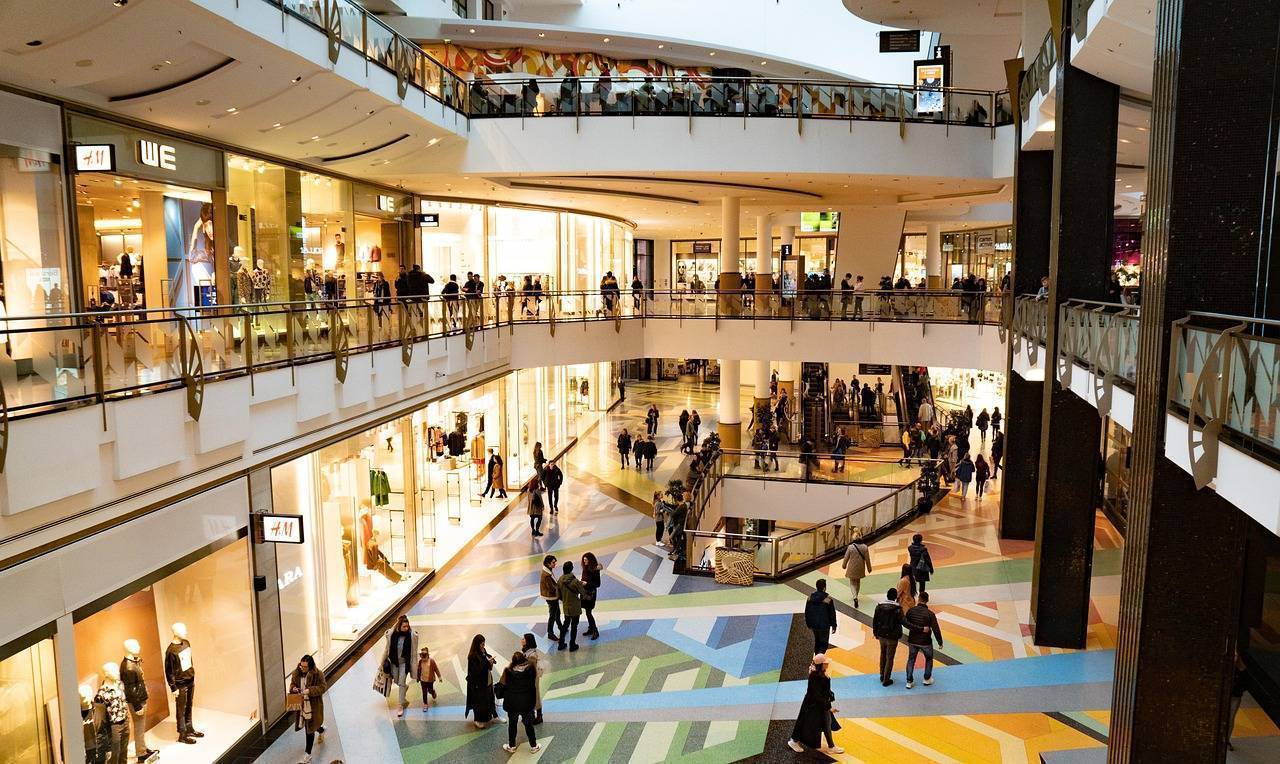
Delhi-NCR has emerged as a rare outlier in India’s retail real estate landscape, recording a sharp rise in leasing activity in the first quarter of 2026 even as most major cities saw a contraction. The region’s performance underscores a structural shift in how organised retail spaces are evolving, with implications for urban consumption patterns, infrastructure demand, and investment flows.
Data from industry assessments indicate that Delhi NCR retail leasing expanded significantly during the quarter, driven largely by strong absorption in organised malls. This growth comes at a time when the broader retail property market across the country experienced a slowdown, primarily due to limited new supply entering the market. Analysts suggest that the absence of fresh retail developments in several cities constrained leasing volumes, despite underlying demand remaining intact. In contrast, Delhi-NCR benefitted from a more mature retail ecosystem, where established malls continue to attract both domestic and global brands. Industry experts note that mall-led leasing has gained momentum as retailers prioritise curated, climate-controlled environments that offer higher footfall predictability and integrated consumer experiences. High streets, while still relevant, are facing increasing competition from these structured retail formats.
The rise in Delhi NCR retail leasing also reflects changing consumer behaviour in urban India. With higher disposable incomes and evolving lifestyle preferences, shoppers are gravitating towards destinations that combine retail, dining, and entertainment. This has encouraged developers to invest in mixed-use projects that align with more sustainable and people-centric urban planning principles, including better accessibility and reduced travel distances. However, the growth story is not without constraints. Vacancy levels in premium retail assets remain extremely tight, particularly in top-grade malls where available space is limited. Urban planners point out that this supply-demand imbalance could lead to upward pressure on rentals, potentially making it difficult for smaller or emerging brands to access prime locations. It also raises questions about equitable access to commercial opportunities within city centres. At the national level, the retail sector continues to grapple with structural challenges.
While demand fundamentals remain strong, the pace of new project completions has not kept up, partly due to financing constraints and regulatory complexities. A potential increase in interest rates could further impact developer sentiment and delay future supply pipelines.Looking ahead, a substantial volume of new retail space is expected to enter the market over the next two to three years. If executed with a focus on sustainability, energy efficiency, and inclusive design, these developments could help rebalance supply while supporting resilient urban growth. For now, Delhi-NCR’s trajectory highlights how strategic planning, quality assets, and evolving consumer ecosystems can enable cities to outperform broader market trends. The next phase will depend on whether upcoming developments can meet demand without compromising affordability, accessibility, or environmental goals.