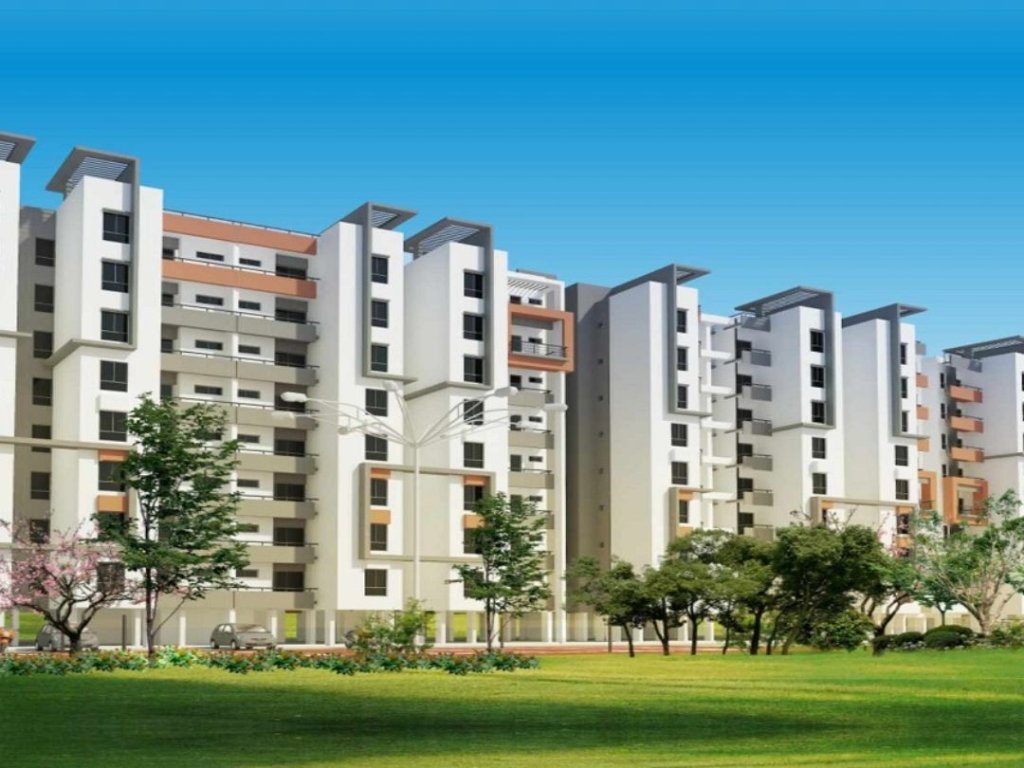
A Gurugram-based developer is accelerating its footprint across the Delhi NCR real estate market, combining residential, commercial and logistics developments as urban demand expands in India’s largest metropolitan region. The company reports a growing development pipeline and an expanding portfolio of projects that reflect the region’s continuing shift towards mixed-use urban districts and large-scale infrastructure-led growth.
Over the past two decades, the developer has completed millions of square feet of built space while advancing a significantly larger pipeline of projects currently under development across the National Capital Region. The portfolio includes residential communities, commercial centres, entertainment-led retail spaces and logistics infrastructure, highlighting how developers are diversifying assets to align with changing urban demand patterns. Urban planners note that Delhi NCR real estate has been shaped by multiple structural drivers over the past decade from metro connectivity and expressway corridors to rapid expansion of warehousing and logistics networks. These trends have pushed developers to integrate residential neighbourhoods with employment zones, retail districts and transit connectivity, helping reduce commute distances and support more self-sustained urban clusters. Among the projects underway in Gurugram are entertainment-oriented retail developments and residential neighbourhoods located in emerging sectors along the city’s expanding infrastructure grid.
Industry analysts say such developments increasingly serve as local urban hubs, combining leisure, housing and services within walking distance of large residential catchments. Another segment attracting attention is logistics infrastructure in the broader NCR region. With e-commerce and manufacturing supply chains expanding, large-scale warehousing parks are being developed along key freight corridors in neighbouring Haryana districts. Experts say these projects can reshape regional economic geography by shifting employment centres beyond traditional urban cores. Alongside physical infrastructure, developers are also introducing data-driven systems to manage project design, construction and building operations. Real estate analysts say digital tools such as predictive analytics, smart monitoring systems and energy-efficient design technologies are gradually influencing how projects are planned and delivered. Such systems can support better energy management and operational efficiency an increasingly important factor as cities attempt to reduce emissions from the built environment.
Industry observers emphasise that the future of Delhi NCR real estate will depend not only on scale but also on sustainability and livability. As population growth continues across Gurugram and neighbouring cities, planners are urging developers to integrate green infrastructure, climate-resilient construction and accessible public spaces into new projects. With housing demand continuing to rise across the region, developers are expected to play a significant role in shaping the next phase of urban growth. The coming decade will likely determine whether new projects evolve into inclusive, transit-linked neighbourhoods or repeat the fragmented urban patterns that have historically challenged the NCR’s planning ambitions.