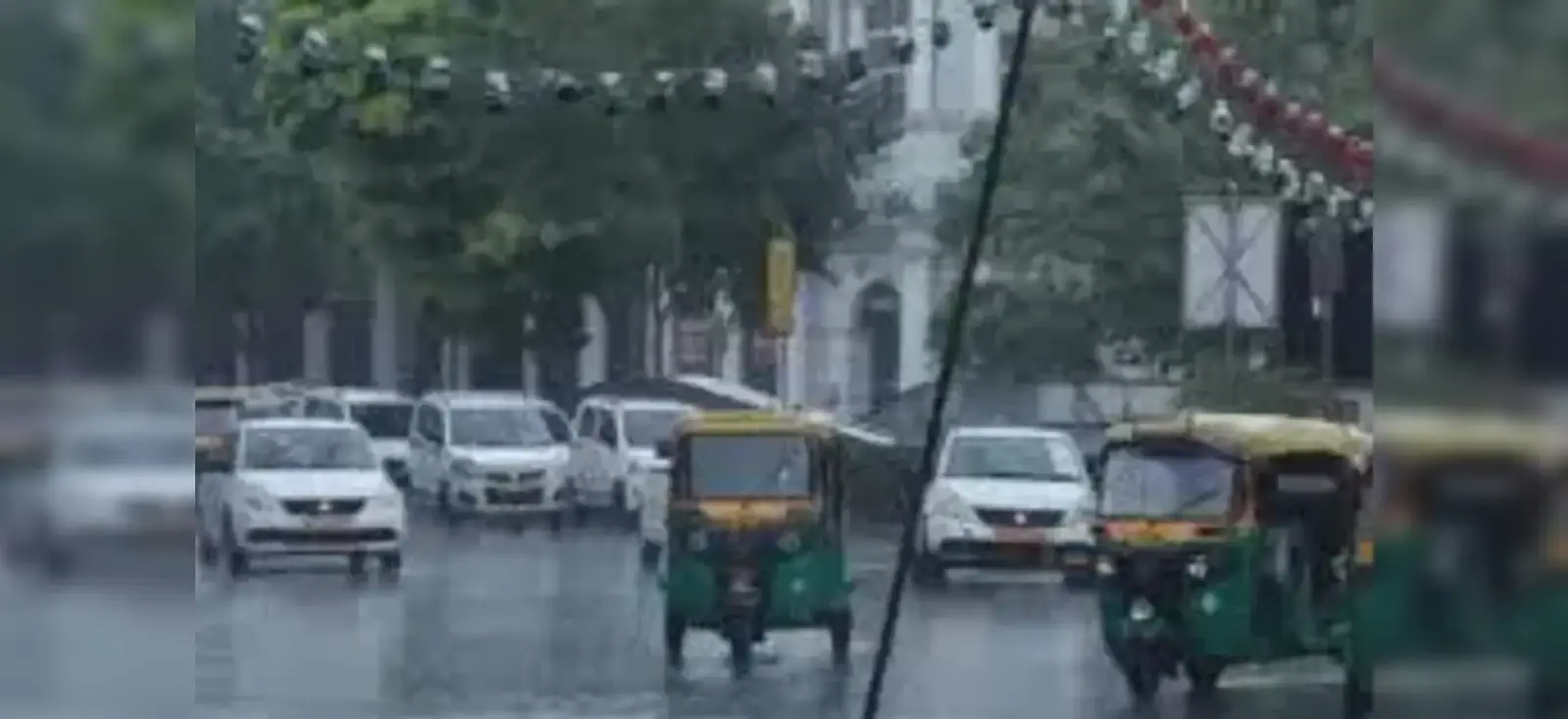
A fresh spell of winter rain and thunderstorms has altered weather conditions across the Delhi–NCR region, offering short-term relief from air pollution while raising new challenges for urban mobility, public health, and infrastructure management. The change, driven by western disturbances moving across north India, has brought intermittent rainfall, gusty winds, and fluctuating temperatures to Delhi, Noida, and Gurugram through the end of January and into early February.
Meteorological assessments indicate that cloud cover and light rain will persist across the region over the next few days, accompanied by dense fog during early morning hours. While rainfall volumes remain modest, the combination of moisture and wind has helped disperse particulate matter, temporarily improving air quality in several urban pockets that have struggled with persistent winter smog. Urban planners and environmental experts note that such weather patterns highlight the fragile balance between climate variability and city resilience. “Rainfall episodes during winter can briefly reset pollution levels, but they also expose gaps in drainage systems, pedestrian safety, and last-mile connectivity,” said an urban climate specialist familiar with regional planning efforts. Low-lying neighbourhoods and informal settlements remain particularly vulnerable to waterlogging and reduced visibility during foggy mornings.
Temperature volatility is another concern. Minimum temperatures are projected to rise sharply before dipping again towards the end of January, creating uneven thermal stress for residents. Health practitioners warn that sudden temperature swings, combined with high humidity, can aggravate respiratory and cardiovascular conditions especially among children, elderly residents, and outdoor workers. From a governance perspective, the Delhi NCR rain forecast has renewed attention on the need for climate-responsive urban design. Transport authorities are preparing for slower traffic movement due to fog and wet road conditions, while civic agencies have been advised to monitor power supply, construction activity, and drainage systems. The construction and real estate sectors are also watching conditions closely, as intermittent rain can disrupt timelines but improve on-site air quality for workers.
The broader implication extends beyond immediate weather disruptions. Climate researchers emphasise that such erratic winter precipitation patterns are becoming more frequent, underscoring the urgency for long-term climate adaptation strategies in rapidly growing metropolitan regions. Investments in permeable surfaces, upgraded stormwater infrastructure, and real-time weather-responsive traffic systems are increasingly seen as essential rather than optional.
As the Delhi NCR rain forecast points to continued cloud cover and isolated rainfall into early February, the episode serves as a reminder that weather events are now deeply intertwined with urban economics, public health, and liveability. While residents may welcome clearer skies and cleaner air, the real test lies in how cities convert these moments into lasting resilience before the next extreme event arrives.
Delhi NCR Rain Forecast Signals Winter Shift